



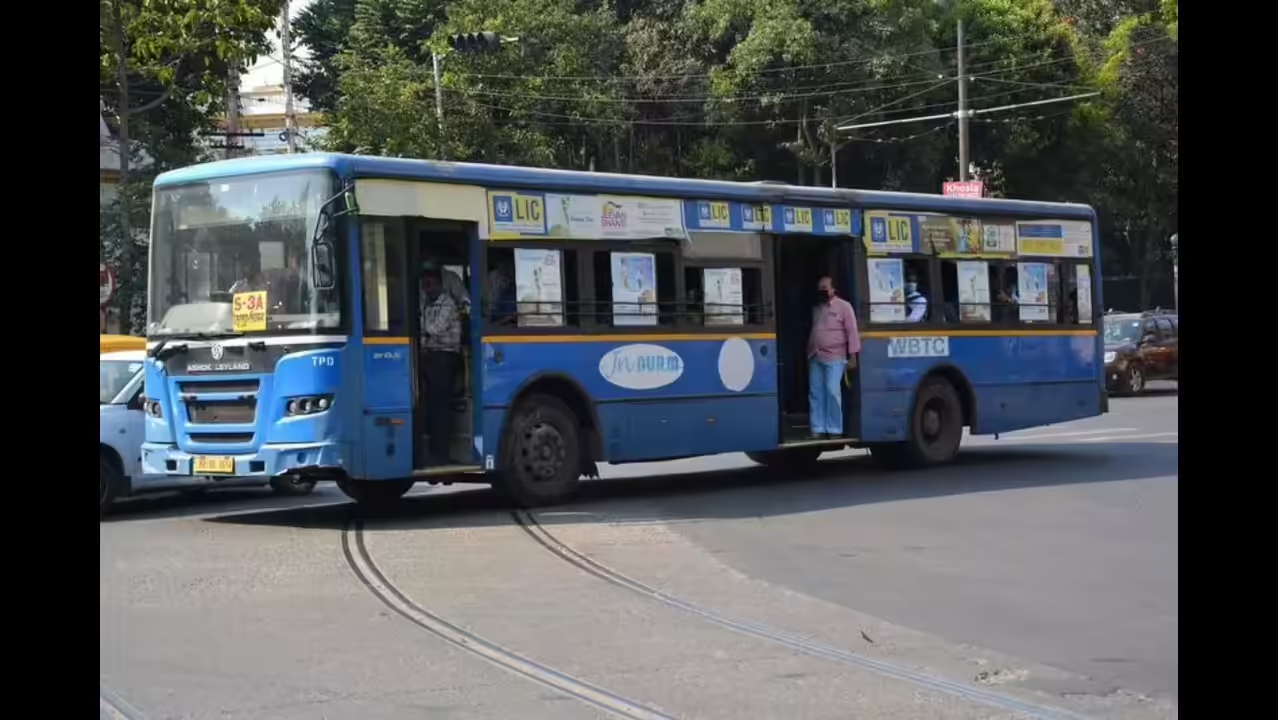
A noticeable shift in commuter behaviour is underway in Kolkata, where rising auto-rickshaw fares are pushing passengers towards buses, reshaping the city’s public transport dynamics.
The Kolkata transport shift highlights how pricing changes in one segment can quickly influence travel patterns across an interconnected urban mobility network.Transport officials and industry observers indicate that fare increases in the auto-rickshaw segment have made short-distance travel less affordable for daily commuters. As a result, many passengers are opting for state-run and private bus services, which continue to offer comparatively lower fares and wider route coverage. This shift is particularly visible during peak hours, when cost sensitivity tends to be highest.The Kolkata transport shift reflects a broader urban reality: affordability remains a key determinant of mobility choices, especially for low- and middle-income households. In cities where public transport systems operate alongside informal or semi-regulated services like autos, even marginal fare adjustments can significantly alter commuter preferences.Urban mobility experts note that buses, often considered the backbone of mass transit, play a critical role in maintaining equitable access. Increased ridership can improve service viability and reduce per-passenger emissions, supporting climate goals. However, sudden surges in demand can also strain existing capacity, leading to overcrowding and reduced service quality if not managed proactively.For the auto-rickshaw sector, the decline in ridership raises concerns about income stability for drivers and operators. Higher operational costs, including fuel and maintenance, are often cited as reasons for fare hikes.
Yet, without a calibrated fare structure or regulatory oversight, such increases risk pushing commuters away, creating a cycle of reduced demand and financial stress within the sector.The Kolkata transport shift also underscores the importance of integrated urban transport planning. A balanced system requires coordination between buses, autos, metro rail and other modes to ensure seamless connectivity. Experts suggest that fare rationalisation, unified ticketing systems and better last-mile connectivity could help stabilise demand across modes while improving commuter experience.From an environmental perspective, a move towards buses can contribute to lower per capita emissions, particularly if fleet modernisation efforts prioritise cleaner fuels or electric vehicles. However, sustained benefits depend on maintaining service reliability and avoiding overcrowding that could deter long-term usage.There are also implications for urban infrastructure and land use. Increased dependence on buses may require dedicated lanes, improved bus stops and better traffic management to ensure efficiency. Investments in such infrastructure can enhance overall system performance and encourage a modal shift away from private vehicles.A senior transport planner observes that commuter behaviour offers real-time feedback on policy decisions. Pricing, accessibility and reliability must work together to create a resilient mobility ecosystem.
As Kolkata navigates evolving transport demands, the current Kolkata transport shift serves as a reminder that affordability and integration are central to sustainable urban mobility. The challenge ahead lies in balancing the needs of commuters and service providers while building a system that is efficient, inclusive and environmentally responsible.
Also Read:Kolkata Housing List Update Raises Equity Concerns
