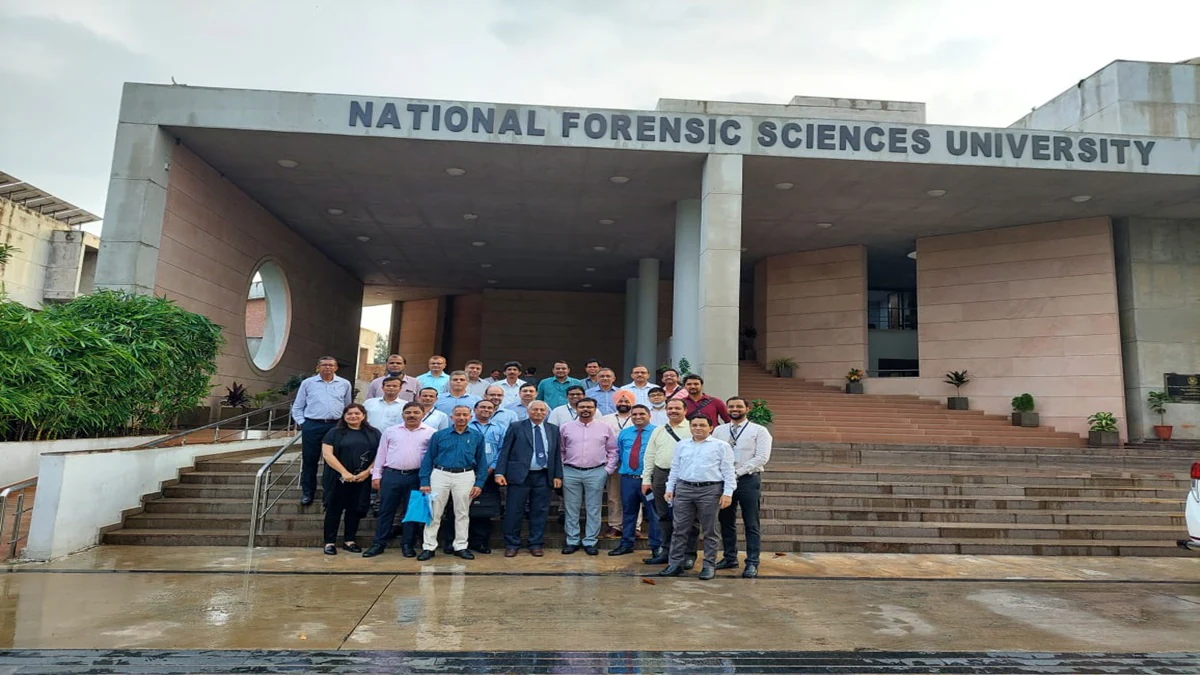
Delhi is set to expand its scientific investigation capacity with plans to establish an additional forensic laboratory in the southern part of the city, a move aimed at reducing case delays and strengthening the justice delivery system. The initiative reflects a growing recognition of forensic infrastructure as a critical component of urban governance, particularly in large and complex metropolitan regions. The proposed facility forms part of a broader Delhi forensic infrastructure strategy to decentralise services and ease pressure on the existing laboratory network. At present, the city relies heavily on a single full-scale laboratory, which has been operating under significant workload constraints. Officials indicate that this imbalance has contributed to delays in evidence processing, often slowing down criminal investigations and court proceedings.
Urban policy experts note that timely forensic analysis is essential not only for law enforcement but also for maintaining public trust in institutional systems. In high-density cities like Delhi, where the volume of cases is substantial, expanding laboratory capacity can improve efficiency across the legal ecosystem. The addition of a new regional facility is expected to distribute caseloads more evenly and shorten turnaround times for reports. The Delhi forensic infrastructure upgrade also builds on recent improvements in operational capacity at the existing facility. Enhanced staffing levels and modernized equipment have already increased processing volumes, suggesting that targeted investments can yield measurable outcomes. The introduction of mobile forensic units has further strengthened on-site evidence collection, enabling faster initial assessments and reducing procedural delays. From an infrastructure perspective, the development of specialized facilities such as forensic laboratories represents an evolving dimension of urban planning. Beyond traditional sectors like transport and housing, cities are increasingly investing in institutional infrastructure that supports governance, safety and service delivery.
Analysts highlight that such investments can indirectly influence economic activity by improving regulatory efficiency and reducing uncertainties in legal processes.The expansion also aligns with broader digital and technological transitions underway in public systems. Advanced forensic tools, data analytics and integrated case management systems are becoming central to modern investigation frameworks. Experts suggest that sustained investment in these areas will be necessary to keep pace with emerging challenges, including cybercrime and complex financial offences. However, specialists caution that infrastructure creation must be complemented by process reforms and inter-agency coordination. Efficient utilization of forensic facilities depends on streamlined workflows between police, laboratories and judicial bodies. Without such alignment, capacity expansion alone may not fully address systemic delays.
As Delhi continues to scale its governance infrastructure, the focus on forensic capabilities underscores a shift towards more responsive and data-driven public systems. The effectiveness of this initiative will ultimately depend on how well it integrates with the broader justice framework, ensuring that faster analysis translates into timely and equitable outcomes for citizens.