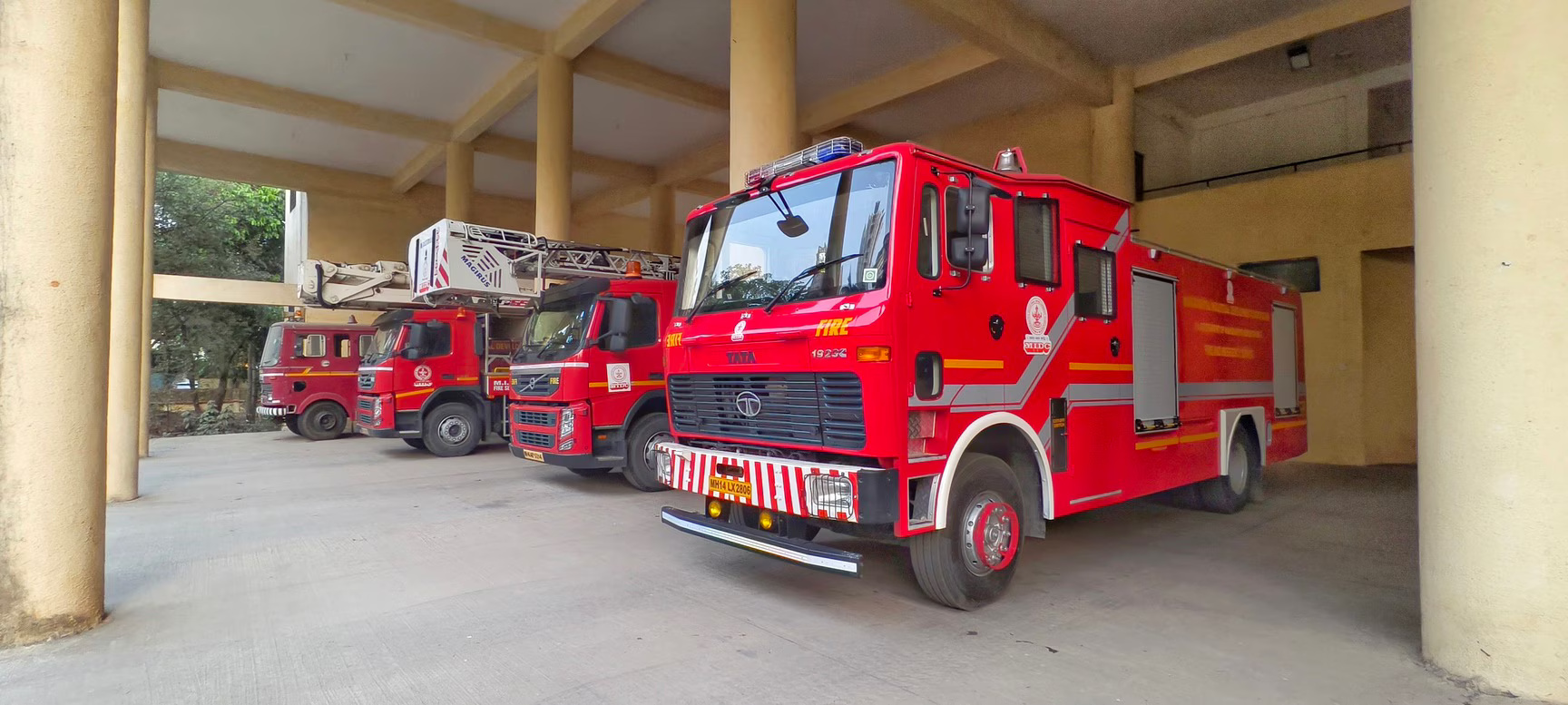
Delhi Fire Safety Budget Strengthens City Resilience
Delhi has increased financial support for its fire and emergency services in the 2026–27 fiscal plan, signaling a renewed focus on urban risk management in a city facing growing density and complex built environments. The higher allocation reflects mounting concerns around fire incidents in congested neighbourhoods and the need for faster, more effective emergency response systems. The expanded Delhi fire safety budget aims to address both infrastructure gaps and operational challenges within the capital’s firefighting network. A portion of the funding has been earmarked for setting up additional fire stations, particularly in underserved zones where response times are often delayed due to limited access and high population density. Urban safety experts note that station distribution plays a critical role in reducing incident severity, especially in rapidly expanding peri-urban areas.
A key concern highlighted by officials relates to the city’s informal and unplanned settlements, where narrow access lanes and unauthorized construction significantly hinder emergency operations. In such areas, conventional firefighting vehicles often struggle to reach affected sites, increasing the risk to life and property. Strengthening decentralised infrastructure and deploying smaller, more agile equipment is seen as essential to improving coverage. The Delhi fire safety budget also includes provisions for modernizing equipment and upgrading technology used by emergency services. This includes advanced firefighting machinery, improved communication systems and better protective gear for personnel. Industry observers point out that technological upgrades can enhance coordination during emergencies, particularly in high-rise buildings and mixed-use developments where fire risks are more complex. From an urban planning perspective, the move aligns with broader efforts to integrate safety considerations into city development frameworks. Fire resilience is increasingly linked to building codes, land use planning and infrastructure design. Experts argue that without strict enforcement of safety norms in both formal and informal developments, financial investments alone may not yield the desired outcomes.
The economic implications of improved fire infrastructure are also significant. Reliable emergency response systems contribute to investor confidence, particularly in commercial real estate and industrial sectors where safety compliance is a key consideration. Enhanced preparedness can reduce insurance risks and potential losses, supporting a more stable urban economy. However, specialists caution that infrastructure expansion must be accompanied by regulatory reforms and community awareness initiatives. Fire safety audits, regular inspections and public education campaigns are critical components of a comprehensive risk mitigation strategy. Coordination between municipal bodies, urban planners and emergency services will be essential to ensure that new investments translate into measurable improvements.
As Delhi continues to grow vertically and horizontally, the pressure on emergency services is expected to increase. The effectiveness of the current funding push will depend on how well it is integrated into a larger framework of urban resilience, where safety, accessibility and planning converge to protect both lives and infrastructure.