Delhi Road Infrastructure Plan Boosts Connectivity Push
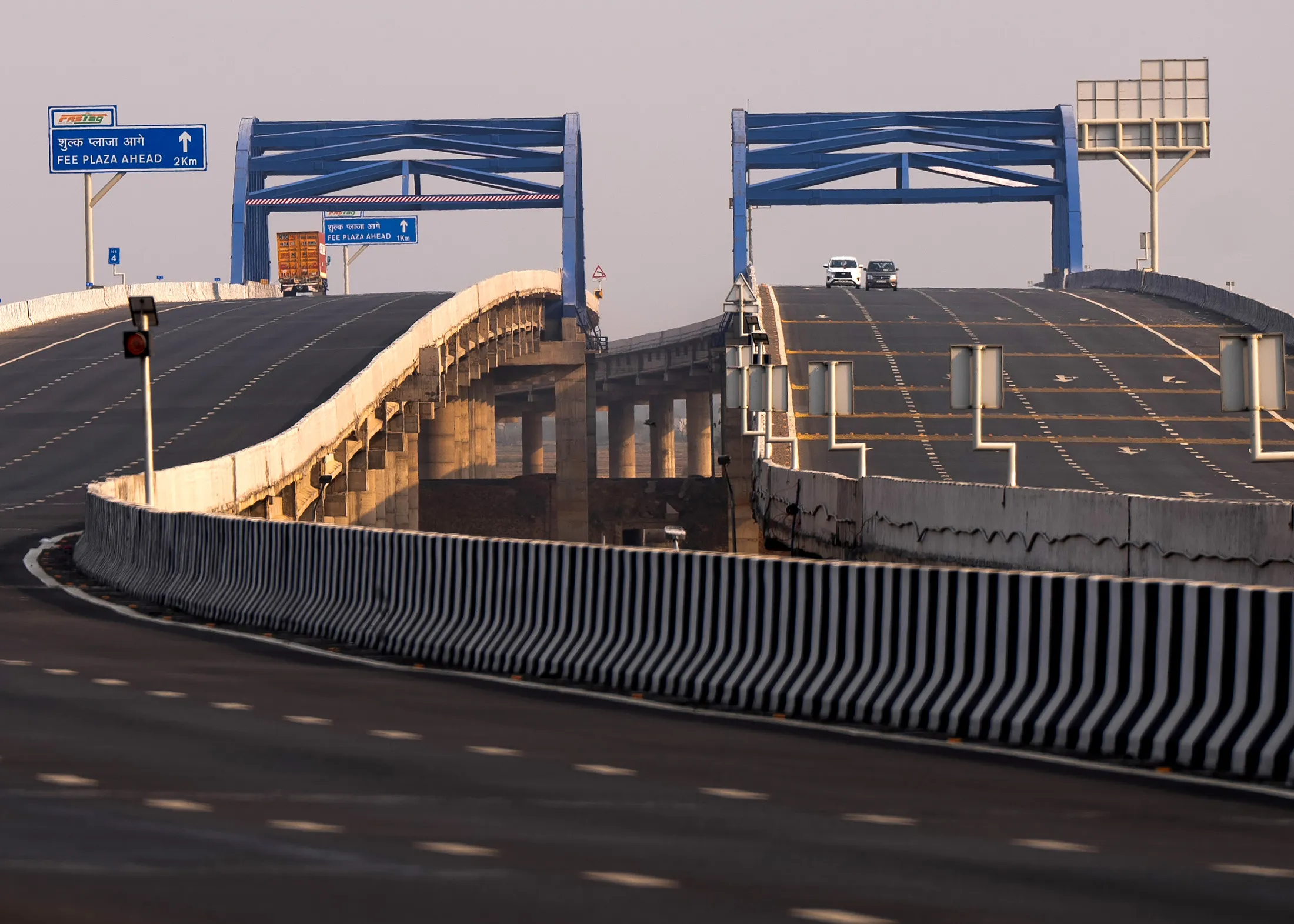
Delhi’s latest fiscal roadmap places mobility at the center of its urban strategy, with a sharp increase in funding for roads, flyovers and corridor upgrades aimed at easing congestion and improving citywide connectivity. The enhanced allocation signals a shift towards integrated planning as the capital grapples with rising vehicle density, pollution concerns and uneven infrastructure capacity. Under the expanded Delhi road infrastructure plan, the government is prioritizing large-scale resurfacing and redevelopment across a significant portion of the public works network. Officials indicate that hundreds of kilometers of arterial and sub-arterial roads will undergo end-to-end upgrades, a move expected to reduce travel time, improve safety and lower vehicular emissions caused by stop-and-go traffic patterns.
Urban planners note that the emphasis on integrated corridors marks a transition from piecemeal upgrades to network-based mobility solutions. These corridors are being designed to streamline traffic flow, incorporate better drainage systems and allow for future-ready infrastructure such as utility ducts and smart traffic management systems. Such interventions are increasingly seen as critical in cities like Delhi, where road capacity expansion alone cannot address congestion without systemic redesign. The plan also includes targeted investments in long-pending flyover and elevated corridor projects, particularly in high-density zones of south and central Delhi. These projects are expected to ease pressure on key intersections and bottlenecks, improving last-mile connectivity between residential and commercial hubs. Industry experts suggest that timely execution will be crucial, given the city’s history of delays linked to clearances and coordination challenges. A notable aspect of the Delhi road infrastructure plan is its alignment with broader sustainability goals. Authorities have indicated that road redevelopment will incorporate climate-resilient features such as improved stormwater management and heat-resistant materials.
Additionally, provisions for non-motorized transport—including dedicated cycle tracks along riverfront stretches—highlight a gradual shift towards more inclusive and environmentally conscious mobility planning. Economic implications are equally significant. Infrastructure spending of this scale is expected to generate employment across construction, materials and engineering sectors, while also enhancing real estate attractiveness in newly connected corridors. Improved road networks often lead to increased land values and commercial activity, particularly in peripheral areas that gain better access to the city’s core. However, experts caution that infrastructure expansion must be complemented by demand management strategies, including public transport integration and parking regulation, to ensure long-term impact. Without such measures, increased road capacity can risk inducing additional traffic over time.
As implementation begins, the focus will remain on execution efficiency, inter-agency coordination and maintaining quality standards. For residents, the success of the plan will ultimately be measured not by budget size, but by tangible improvements in commute times, air quality and everyday urban experience.