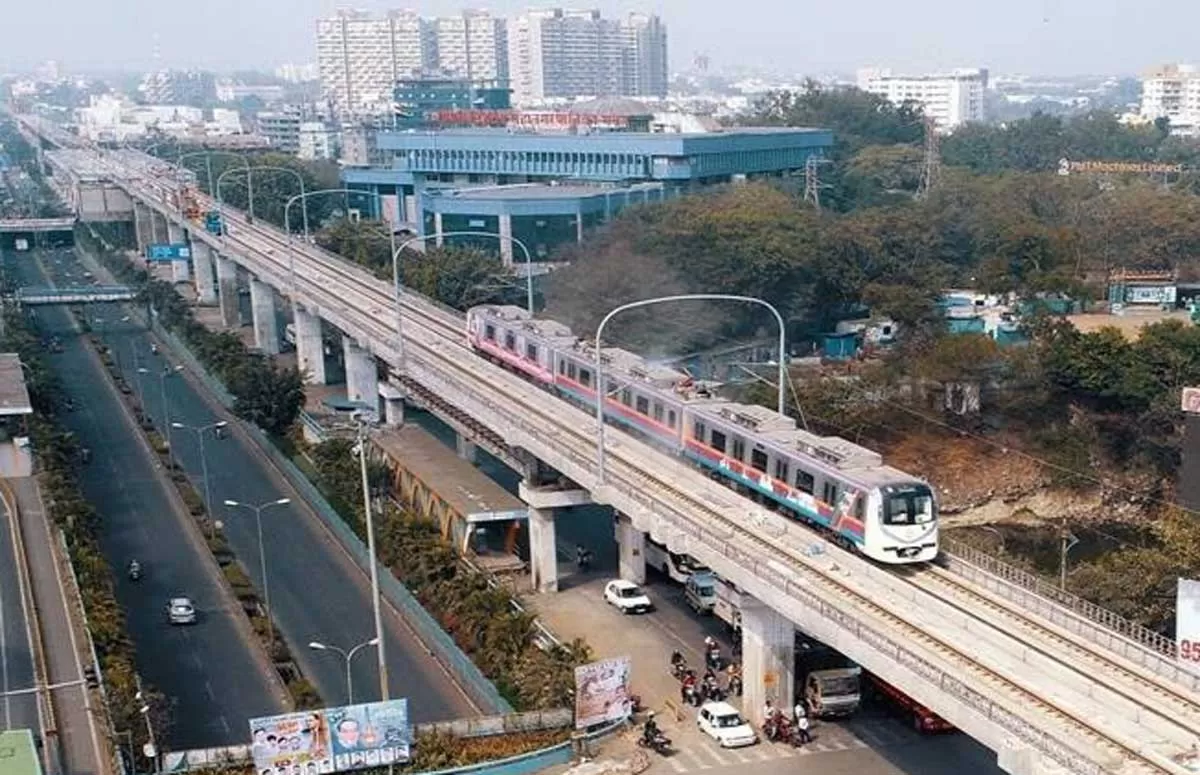
A key technology decision for Pune Metro Line 3 signals a broader shift towards data-driven urban transit systems, as the corridor’s operator moves to implement a comprehensive digital platform to manage infrastructure and operations. The adoption of an enterprise asset management system is expected to play a central role in improving efficiency, reliability and lifecycle planning for the city’s expanding metro network.
The Pune Metro Line 3 corridor, currently nearing completion, connects the commercial district of Shivajinagar with the Hinjewadi IT hub—one of the region’s largest employment centres. Spanning over 20 kilometres with multiple stations, the line is designed to address rising congestion along this high-demand corridor, where road traffic has struggled to keep pace with rapid residential and commercial growth. Officials familiar with the project indicate that the newly selected digital platform will function as the operational backbone for managing a wide range of metro assets. These include trains, tracks, stations, signalling systems and passenger interfaces such as ticketing infrastructure. By centralising data across these components, the system enables operators to monitor performance in real time and respond more effectively to maintenance needs.
The introduction of such technology reflects an evolving approach to public transport management in India, where cities are increasingly integrating software-led solutions to enhance service delivery. For Pune Metro Line 3, this is particularly relevant given its public-private partnership structure, which places emphasis on long-term operational efficiency and cost optimisation. Urban mobility experts note that asset-intensive systems like metro rail require continuous monitoring to maintain safety standards and minimise service disruptions. Traditional maintenance models, which rely heavily on scheduled inspections, are gradually being supplemented by predictive tools that use data analytics to anticipate faults before they occur. This shift can reduce downtime, extend asset life and lower operating costs over time.
The digital platform being deployed for Pune Metro Line 3 is expected to support such predictive maintenance capabilities, along with integration into other systems such as enterprise resource planning and building information modelling. This interconnected approach allows for better coordination between engineering, operations and financial management functions—an increasingly critical factor in large-scale infrastructure projects.
From a sustainability perspective, improved asset management can contribute to more efficient energy use and reduced material waste, aligning with broader goals of building low-carbon urban transport systems. Reliable metro services also encourage a modal shift away from private vehicles, helping cities address congestion and air quality challenges.
The timing of this deployment is significant as the corridor approaches its operational phase. Establishing a comprehensive asset register and digital framework at the outset enables better tracking and governance over the system’s lifecycle, rather than retrofitting solutions later.
As Pune continues to expand its metro footprint, the experience of Pune Metro Line 3 could influence how future corridors integrate technology into their design and operations. The focus is likely to remain on balancing scale with efficiency, ensuring that infrastructure investments translate into dependable and accessible mobility for a growing urban population.
Pune Metro Line 3 Adopts Digital Asset Platform