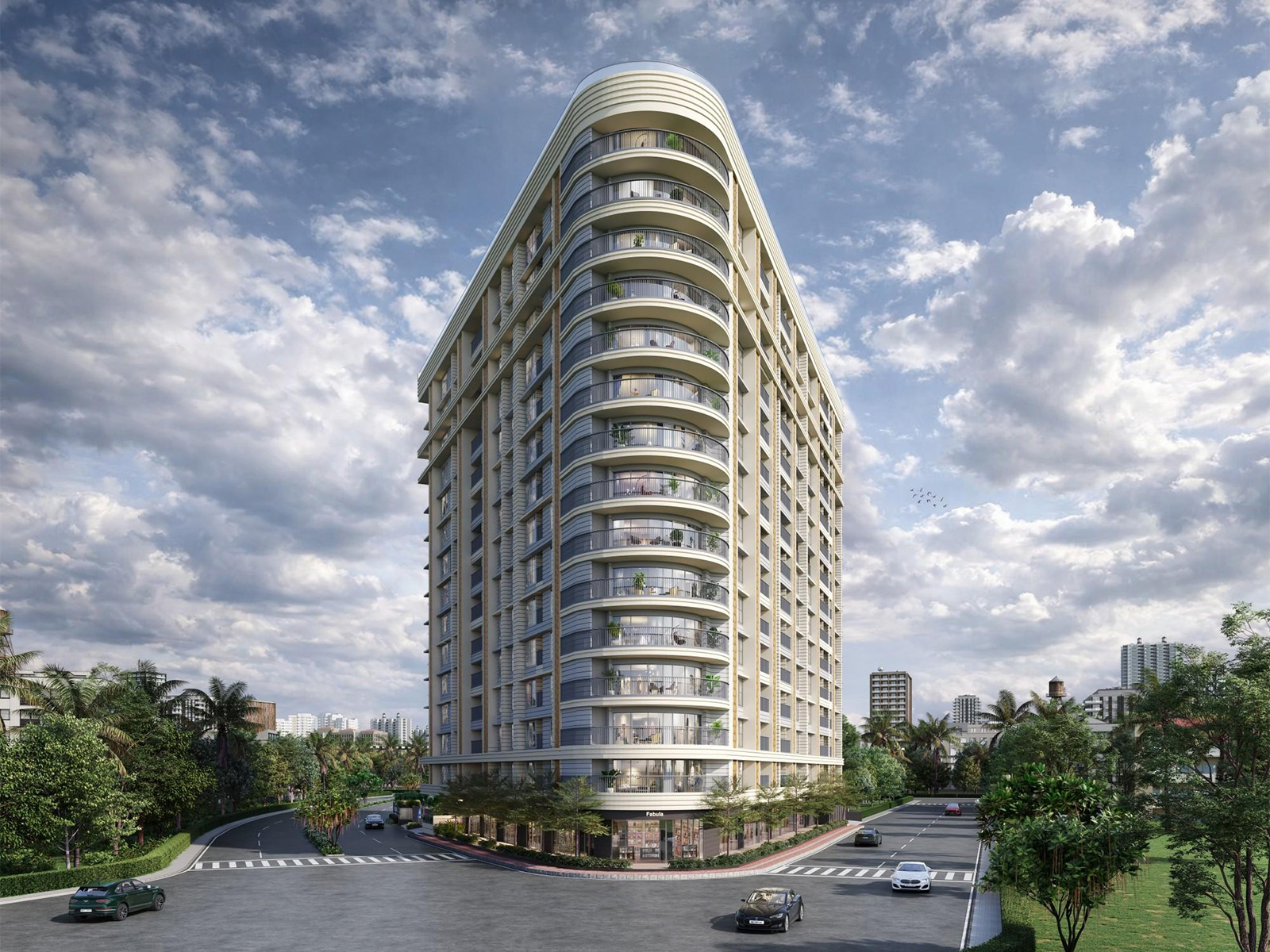
A new residential development in Santacruz East is adding to Mumbai’s premium housing pipeline, reflecting sustained demand for centrally located urban homes with strong connectivity. The project, introduced by a major real estate developer, is positioned within one of the city’s most strategically placed micro-markets, offering proximity to key business and transport corridors.
Spread across a compact urban land parcel, the development will feature a mid-rise residential tower alongside limited retail spaces at the ground level. The project is designed to cater to mid-to-high income homebuyers seeking access to employment hubs such as Bandra Kurla Complex and seamless connectivity via arterial routes like the Western Express Highway and Santacruz-Chembur Link Road. Urban planners observe that Santacruz East has steadily evolved into a high-demand residential node due to its central location between South Mumbai and the western suburbs. The area’s accessibility to metro corridors, highways and airport infrastructure has made it particularly attractive for professionals working in finance, services and technology sectors.
The newly launched project introduces design elements that prioritise natural ventilation, daylight access and private open spaces—features increasingly sought after in dense urban environments. Industry experts say such configurations are becoming critical in improving liveability in cities where land constraints often limit open space availability. The inclusion of a small retail component within the development reflects a growing trend towards mixed-use planning in Mumbai. By integrating everyday convenience within residential complexes, developers are attempting to reduce travel dependency and create more walkable neighbourhood ecosystems, aligning with broader sustainability goals.
From a market perspective, Santacruz East continues to experience limited supply of branded residential developments due to land scarcity and high entry costs. This has supported price stability and steady appreciation, making the micro-market appealing for both end-users and long-term investors. Analysts note that projects in this location tend to attract buyers prioritising connectivity over larger unit sizes. At the same time, the expansion of premium housing in central suburbs raises questions around infrastructure capacity, including traffic management, water supply and waste systems. Experts emphasise that future development must be supported by parallel upgrades in civic infrastructure to ensure long-term urban resilience.
The Santacruz East launch also reflects a broader strategy among developers to focus on infill development within established city zones rather than peripheral expansion. This approach aligns with sustainable urban growth principles by leveraging existing infrastructure and reducing commute distances. As Mumbai’s real estate market continues to evolve, projects in well-connected micro-markets such as Santacruz East are expected to play a key role in shaping the city’s next phase of residential growth, balancing density with liveability and accessibility.
Shapoorji Pallonji Unveils Residential Development In Mumbai Santacruz East