


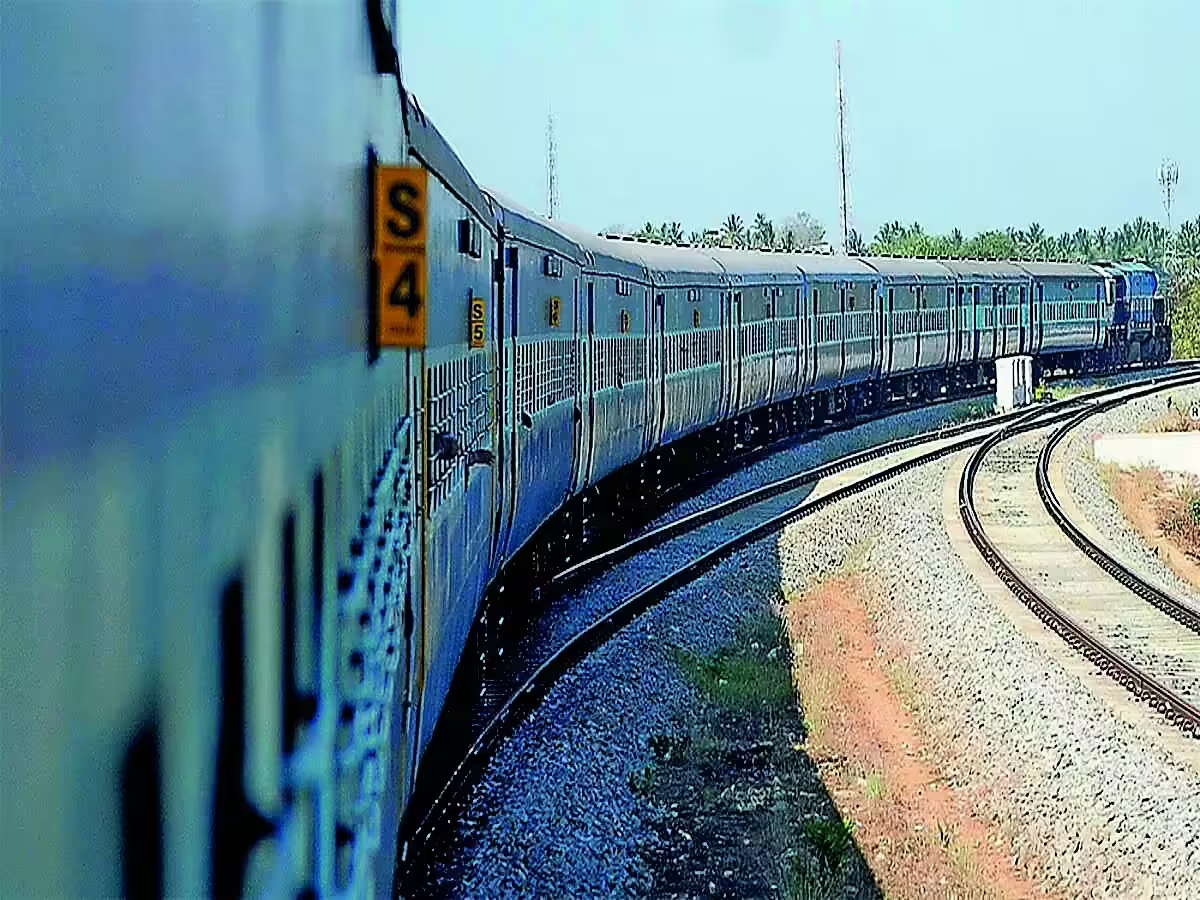
A major rail infrastructure upgrade on the eastern corridor of Bengaluru has been set in motion, with plans to expand the existing line between Whitefield and Bangarpet to four tracks.
The project is aimed at easing congestion on one of the region’s busiest rail stretches, improving both passenger movement and freight operations.The expansion, being undertaken by South Western Railway, is expected to significantly enhance line capacity by separating suburban, long-distance and freight traffic. Urban transport experts note that such segregation is critical in high-density corridors, where mixed-use tracks often lead to delays and reduced service frequency.The Whitefield–Bangarpet stretch has emerged as a vital link due to rapid urbanisation and the growth of technology and industrial hubs in eastern Bengaluru. As residential developments expand in peripheral areas, commuter demand on suburban rail services has increased sharply. The quadrupling project is expected to enable more frequent train services, offering an alternative to road-based commuting in a city struggling with traffic congestion.For daily commuters, improved rail capacity could translate into shorter travel times and more reliable schedules. Urban planners emphasise that strengthening suburban rail networks is essential for reducing dependence on private vehicles, which contribute to congestion and air pollution.
By providing a viable mass transit option, the project aligns with broader efforts to create a more sustainable urban mobility system.The Bengaluru rail expansion also carries implications for real estate and land use. Enhanced connectivity often drives demand for housing and commercial spaces along transit corridors. Areas around stations on the upgraded line could see increased development activity, particularly in mixed-use and transit-oriented projects. However, experts caution that such growth must be planned carefully to avoid unregulated sprawl and ensure adequate infrastructure support.Freight movement is another key aspect of the project. Dedicated tracks for goods trains can improve logistics efficiency, reducing transit times and easing pressure on road networks. This has broader economic benefits, particularly for industries that rely on timely transportation of materials and products.Environmental considerations are also part of the discussion. Expanding rail capacity can help lower overall emissions by shifting more passengers and freight from road to rail. However, infrastructure projects of this scale require careful planning to minimise ecological impact, including land acquisition and construction-related disruptions.
The success of the quadrupling initiative will depend on timely execution, coordination between agencies and integration with other transport systems such as metro and bus networks. As Bengaluru continues to expand, investments in rail infrastructure are increasingly seen as central to building a resilient and efficient urban transport ecosystem.
Also Read:Bengaluru Hospitality Losses Highlight Economic Slowdown
