


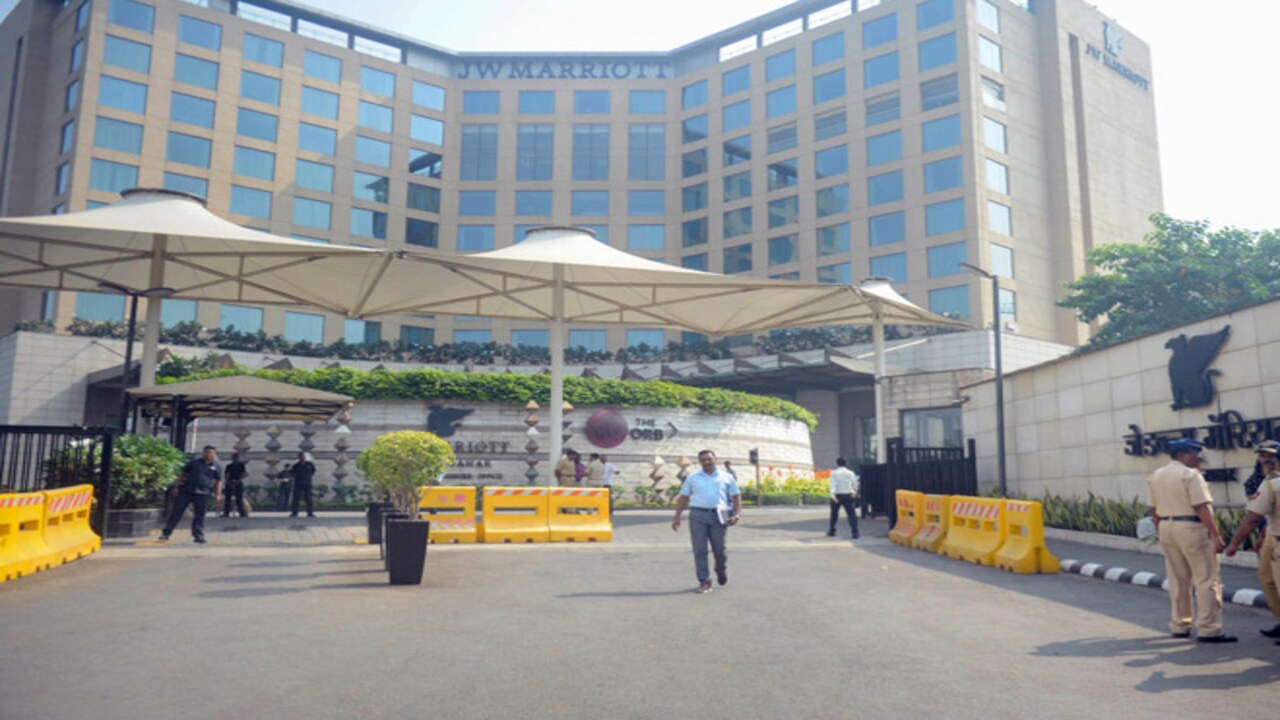
Bengaluru’s hospitality sector is facing mounting financial pressure, with industry estimates indicating losses of around ₹150 crore over a three-week period, highlighting the vulnerability of urban service economies to sudden demand disruptions.
The downturn has raised concerns about the resilience of city-based businesses that rely heavily on consistent footfall and travel activity.Industry representatives say the decline in occupancy and restaurant footfall has been driven by a combination of factors, including reduced discretionary spending, event cancellations and shifts in consumer behaviour. In a city known for its business travel and vibrant dining culture, even short-term disruptions can have a cascading impact across hotels, eateries and allied services.
Bruhat Bengaluru Hotels Association has flagged the scale of losses, noting that small and mid-sized establishments have been particularly affected. These businesses often operate on tighter margins and are more sensitive to fluctuations in demand. Urban economists point out that such segments form a significant part of the city’s employment ecosystem, supporting a wide range of jobs from service staff to supply chain workers.The Bengaluru hospitality losses also reflect broader urban economic trends. As cities grow, sectors like hospitality, retail and entertainment become increasingly important drivers of local economies. However, their dependence on mobility, tourism and consumer confidence makes them susceptible to external shocks. Analysts suggest that strengthening these sectors requires more stable demand cycles and diversified revenue streams.
There are implications for real estate and urban infrastructure as well. Hospitality assets—ranging from hotels to commercial dining spaces—are closely linked to location dynamics and foot traffic patterns.A sustained slowdown can affect rental yields, occupancy rates and investment sentiment in key commercial corridors. Conversely, recovery phases often trigger renewed interest in mixed-use developments that integrate hospitality with office and residential spaces.Experts also highlight the need for adaptive business models. Digital ordering, flexible pricing strategies and diversified service offerings are increasingly seen as essential for resilience. At the same time, policy support in the form of temporary relief measures or incentives could help stabilise the sector during periods of volatility.From a sustainability perspective, the slowdown presents both challenges and opportunities. While reduced activity may temporarily lower resource consumption, long-term resilience will depend on how businesses adopt energy-efficient practices and optimise operations. Integrating sustainability into recovery strategies could help align the sector with broader urban climate goals.
As Bengaluru navigates this period of economic strain, the focus will be on how quickly demand rebounds and what structural changes emerge in the hospitality landscape. The recent losses underline the need for more resilient urban economies that can absorb shocks while continuing to support livelihoods and growth.
Also Read:Bengaluru Auto Fares Surge Highlights Mobility Gaps
