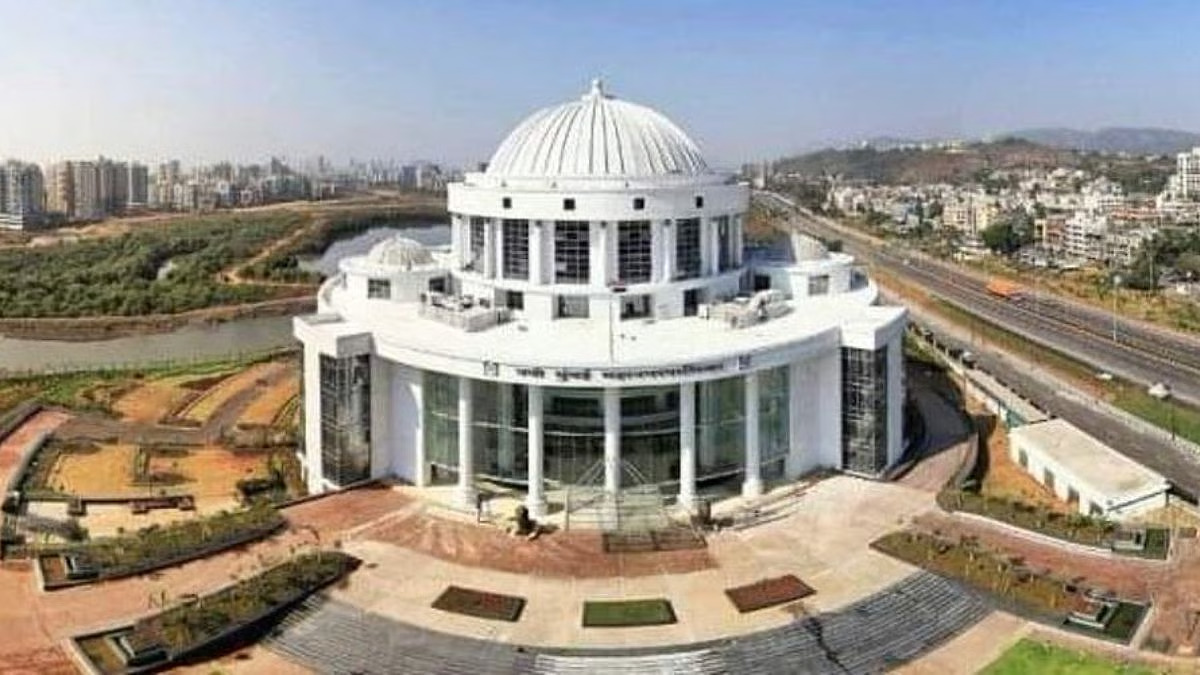
Navi Mumbai is preparing to adopt a more aggressive and technology-led approach to combat deteriorating air quality, with civic authorities proposing a citywide framework that targets dust, industrial emissions and data-driven monitoring.
The Navi Mumbai Municipal Corporation is set to consider a comprehensive plan anchored around a zero dust policy, aimed at addressing persistent pollution linked to construction activity, road dust and industrial sources. The proposal comes amid rising concern over declining air quality levels and recurring pollution episodes across residential and industrial zones. Civic representatives have flagged that despite Navi Mumbai’s planned layout, rapid urban expansion and infrastructure development have intensified environmental pressures. Fine particulate matter — particularly PM2.5 and PM10 — continues to pose health risks, with experts warning of long-term impacts ranging from respiratory illness to chronic disease.
At the centre of the proposed framework is the zero dust policy, which seeks to systematically eliminate dust accumulation from roads, open plots and construction sites. Measures under consideration include stricter compliance norms for builders, increased mechanical sweeping, and the use of water-based dust suppression systems across high-risk corridors. Urban planners say such interventions are critical in cities experiencing high construction intensity. However, they emphasise that dust mitigation must be enforced consistently, rather than through periodic drives, to produce measurable improvements in air quality.
The plan also outlines an 18-month roadmap structured around identifying pollution sources, enforcing penalties, and maintaining long-term control mechanisms. A key feature is the use of advanced monitoring technologies to map pollution patterns in real time. This includes deploying dense sensor networks and exploring vertical profiling tools to track pollutant movement across different altitudes. Officials have highlighted that a significant portion of pollution may originate beyond municipal boundaries, particularly from nearby industrial belts. Certain parts of Navi Mumbai have reported recurring night-time spikes in pollution, indicating cross-boundary environmental impacts that require coordinated regional action.
To address this, the civic body is considering the creation of an integrated command system that consolidates data from multiple sources — including vehicular emissions, industrial outputs and ambient air quality sensors. Such a system would allow targeted enforcement in identified hotspots, improving the efficiency of interventions. From a governance perspective, the proposal also includes the introduction of stricter municipal regulations to penalise non-compliance. Experts note that regulatory backing is essential for sustaining improvements, particularly in sectors where enforcement has historically been fragmented.
The zero dust policy aligns with broader efforts to build climate-resilient and healthier cities. As Navi Mumbai continues to grow as a major urban and industrial hub, managing air quality will be critical to maintaining livability and attracting long-term investment. The proposal is expected to be taken up for approval in the coming civic meetings. If implemented effectively, it could mark a shift towards a more structured, data-driven model of urban environmental management — one that balances growth with public health and sustainability outcomes.
Navi Mumbai Plans Zero Dust Policy To Curb Pollution