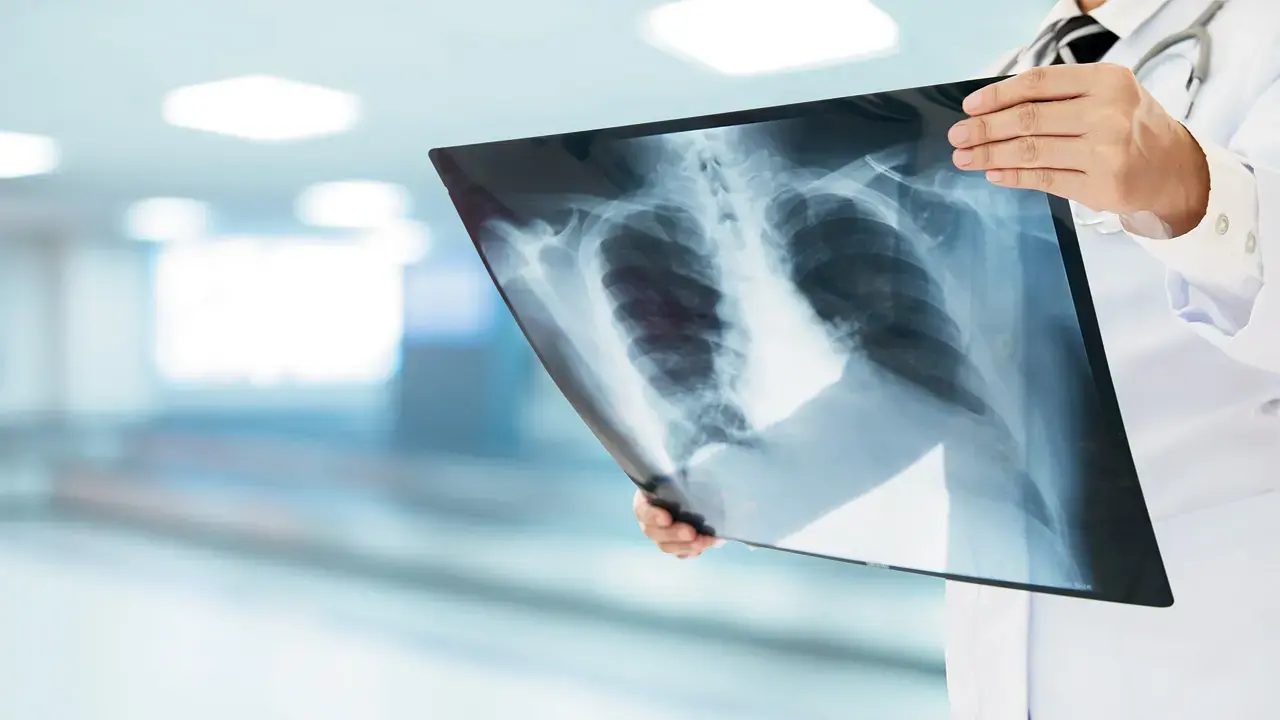
Mumbai’s public health system is showing measurable progress in tackling one of its most persistent diseases, even as case volumes remain high across the city’s dense urban landscape.
The Brihanmumbai Municipal Corporation has reported over 54,000 tuberculosis cases in 2025, with a notable improvement in treatment outcomes, particularly among patients with drug-resistant forms of the disease. The Mumbai TB cases data highlights both the scale of the public health challenge and the gains made through sustained investment in diagnostics, treatment, and patient support. Health officials indicate that while tuberculosis continues to affect tens of thousands annually, recovery rates have improved significantly over the past decade. Enhanced treatment protocols, early detection strategies, and targeted care models have contributed to higher success rates, especially for complex cases that were previously harder to treat.
A key factor behind improved outcomes has been the expansion of diagnostic infrastructure. Public health facilities across Mumbai are now equipped with advanced molecular testing systems capable of detecting tuberculosis and identifying resistance to frontline drugs within hours. This has enabled faster initiation of appropriate treatment, reducing the risk of transmission in high-density communities. The Mumbai TB cases profile also reflects changing disease patterns. A substantial share of patients present with extra-pulmonary tuberculosis, while paediatric and drug-resistant cases continue to require specialised attention. Experts note that urban conditions — including overcrowding, air pollution, and socio-economic disparities — contribute to the persistence of the disease in metropolitan settings.
To address these complexities, the city has adopted differentiated care strategies that identify high-risk patients and tailor treatment accordingly. Dedicated clinics for drug-resistant tuberculosis, combined with shorter and more effective treatment regimens, are improving patient adherence and outcomes. In parallel, emerging technologies such as genome-based analysis are being explored to better understand resistance patterns and refine treatment approaches. Large-scale screening initiatives have also played a crucial role. Targeted campaigns focusing on vulnerable populations have led to early identification of suspected cases, supported by mobile diagnostic tools and decentralised testing facilities. Preventive strategies, including screening for latent infections, are being scaled up to reduce future disease burden.
Beyond clinical care, nutrition and social support remain central to recovery. Public health programmes providing food assistance and counselling aim to address underlying vulnerabilities that often hinder treatment completion, particularly among low-income groups. Urban health experts argue that tackling tuberculosis in cities like Mumbai requires a multi-layered approach that integrates healthcare delivery with broader urban policy. Improvements in housing conditions, ventilation, and access to basic services are critical to reducing long-term transmission risks.
While the latest data signals encouraging progress, the continued high number of Mumbai TB cases underscores the need for sustained effort. As the city expands its health infrastructure and outreach programmes, the focus is likely to remain on early detection, equitable access, and community participation to move closer to long-term disease control.
Over 54000 TB Cases Reported In Mumbai Cure Rate Improves