


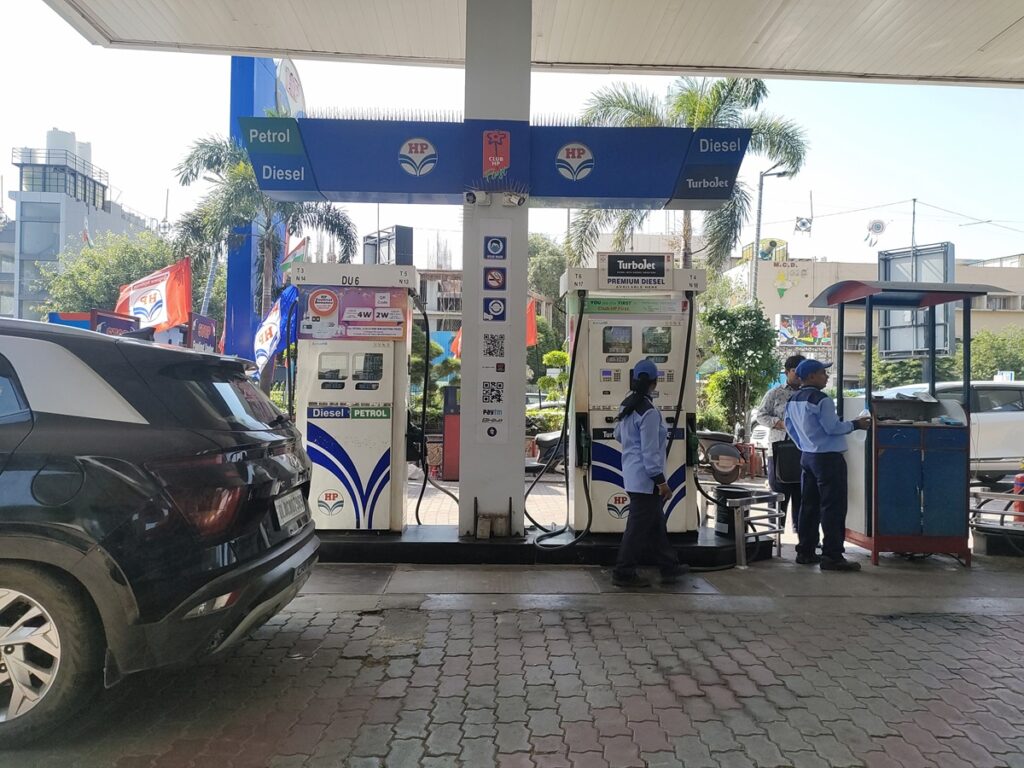
Chennai’s transport ecosystem is at the centre of renewed discussions on increasing ethanol blending and accelerating the adoption of flex-fuel vehicles, as industry stakeholders call for policy support to scale cleaner fuel alternatives.
The push reflects a growing urgency to address urban air pollution and reduce dependence on fossil fuels in one of southern India’s fastest-expanding metropolitan regions.Automobile Dealers Association has advocated for a faster rollout of higher ethanol blends and wider availability of flex-fuel vehicles, highlighting their potential to reduce emissions without requiring major changes to existing fuel infrastructure. For Chennai, where private vehicle usage continues to rise alongside economic growth, ethanol blending is being positioned as a practical interim solution.Ethanol blending involves mixing biofuel—typically derived from agricultural feedstock—with petrol to lower carbon intensity. In dense urban environments like Chennai, where vehicular emissions significantly impact air quality, increasing ethanol content in fuel could offer incremental environmental gains. Urban planners suggest that even modest reductions in emissions can improve public health outcomes, particularly in high-traffic corridors.Flex-fuel vehicles, which can operate on varying ethanol-petrol combinations, are expected to play a crucial role in this transition. Industry experts note that Chennai’s automotive ecosystem—supported by manufacturing hubs and a strong dealer network—could facilitate quicker adoption if policy clarity and fuel availability are ensured.
However, the shift will depend on coordinated action across automakers, fuel suppliers and city-level regulators.The implications extend beyond mobility. Expanding ethanol blending could influence infrastructure planning, particularly around fuel storage, distribution and retail networks. Peripheral industrial zones around Chennai may see increased investment in blending facilities and logistics hubs, potentially reshaping land use patterns and creating new economic clusters linked to cleaner fuel supply chains.At the same time, experts caution that ethanol blending should be viewed as part of a broader transition strategy rather than a standalone solution. Chennai is simultaneously investing in electric mobility, metro rail expansion and bus network upgrades. Ethanol-based fuels could complement these initiatives, especially in segments where electrification is slower to scale, such as long-distance transport and certain commercial fleets.Sustainability considerations remain critical. The production of ethanol must be managed carefully to avoid overuse of water resources or conflicts with food supply chains. Additionally, infrastructure upgrades will be required to ensure consistent fuel quality and availability across the city.
As Chennai navigates its path towards cleaner and more resilient urban systems, ethanol blending is emerging as a near-term lever to reduce emissions while maintaining mobility efficiency. The effectiveness of this approach will depend on how seamlessly it integrates with long-term investments in zero-carbon transport and sustainable urban planning.
Also Read:India IoT Applications Leadership Signals Smart City Growth
