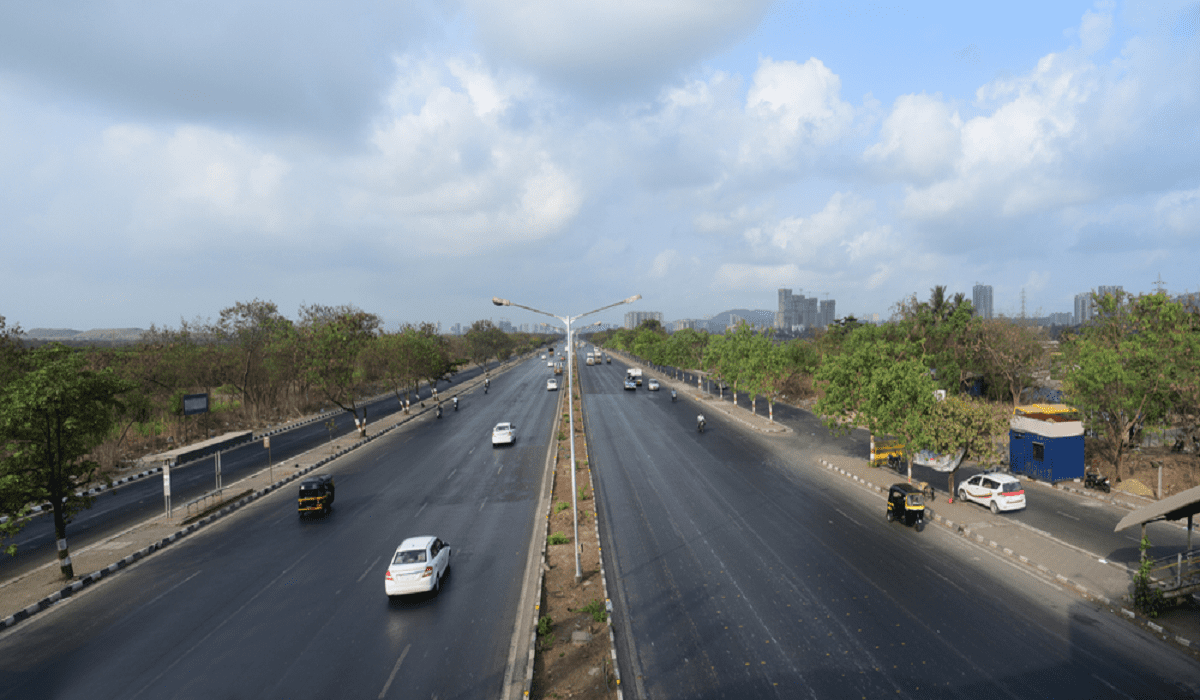
Mumbai’s northern coastal corridor has moved a step closer to execution after civic authorities cleared multiple built-up obstructions along the Versova stretch, unlocking a critical segment of the planned coastal road network.
Officials confirmed that 33 structures — spanning both residential and commercial uses — were recently removed in the Versova area to facilitate construction activity on the Versova–Dahisar section of the Mumbai Coastal Road. The intervention, led by the city administration’s western zone, is part of a broader effort to maintain project timelines for one of the city’s most ambitious transport infrastructure initiatives. The Mumbai Coastal Road, designed to ease congestion along the western suburbs and improve north-south connectivity, has faced intermittent delays due to land availability constraints and on-ground encroachments. Urban planners note that such clearance drives, while operationally necessary, often reflect deeper tensions between infrastructure expansion and informal or legacy land use patterns in high-density cities.
Civic officials indicated that most of the affected structures were commercial units, with a smaller number of residential properties also falling within the project alignment. While the clearance has enabled immediate access for construction work, the process is not without legal complexities. At least one affected party has sought judicial intervention, with hearings expected shortly, highlighting the recurring interplay between infrastructure delivery and property rights in Mumbai’s urban landscape. Further action is anticipated, with an additional set of structures under the jurisdiction of a state housing authority identified for removal. These pending clearances are expected to be critical in ensuring continuity of work across the corridor, particularly as project timelines tighten ahead of key construction milestones.
From a planning perspective, the Mumbai Coastal Road is positioned as a high-capacity transport spine that could significantly reduce travel time and redistribute vehicular load away from saturated arterial roads. However, mobility experts caution that long-term benefits will depend on how well such road infrastructure integrates with public transport systems and non-motorised mobility options, especially in a city increasingly prioritising low-carbon transit solutions. The Mumbai Coastal Road also raises questions around coastal ecology and resilience. Environmental experts have consistently emphasised the need for careful monitoring of shoreline changes, flood risks, and marine biodiversity impacts, particularly as climate pressures intensify in coastal megacities.
For residents and businesses in the affected zones, the transition remains complex, involving displacement, legal recourse, and uncertain rehabilitation timelines. Yet, for the city at large, the incremental progress signals a decisive push to complete a project seen as central to Mumbai’s evolving urban mobility framework. As work advances on the Mumbai Coastal Road, the coming months will test the city’s ability to balance speed of execution with equitable urban outcomes and environmental safeguards — a challenge that continues to define infrastructure development in India’s financial capital.
BMC Action Speeds Up Versova Dahisar Corridor