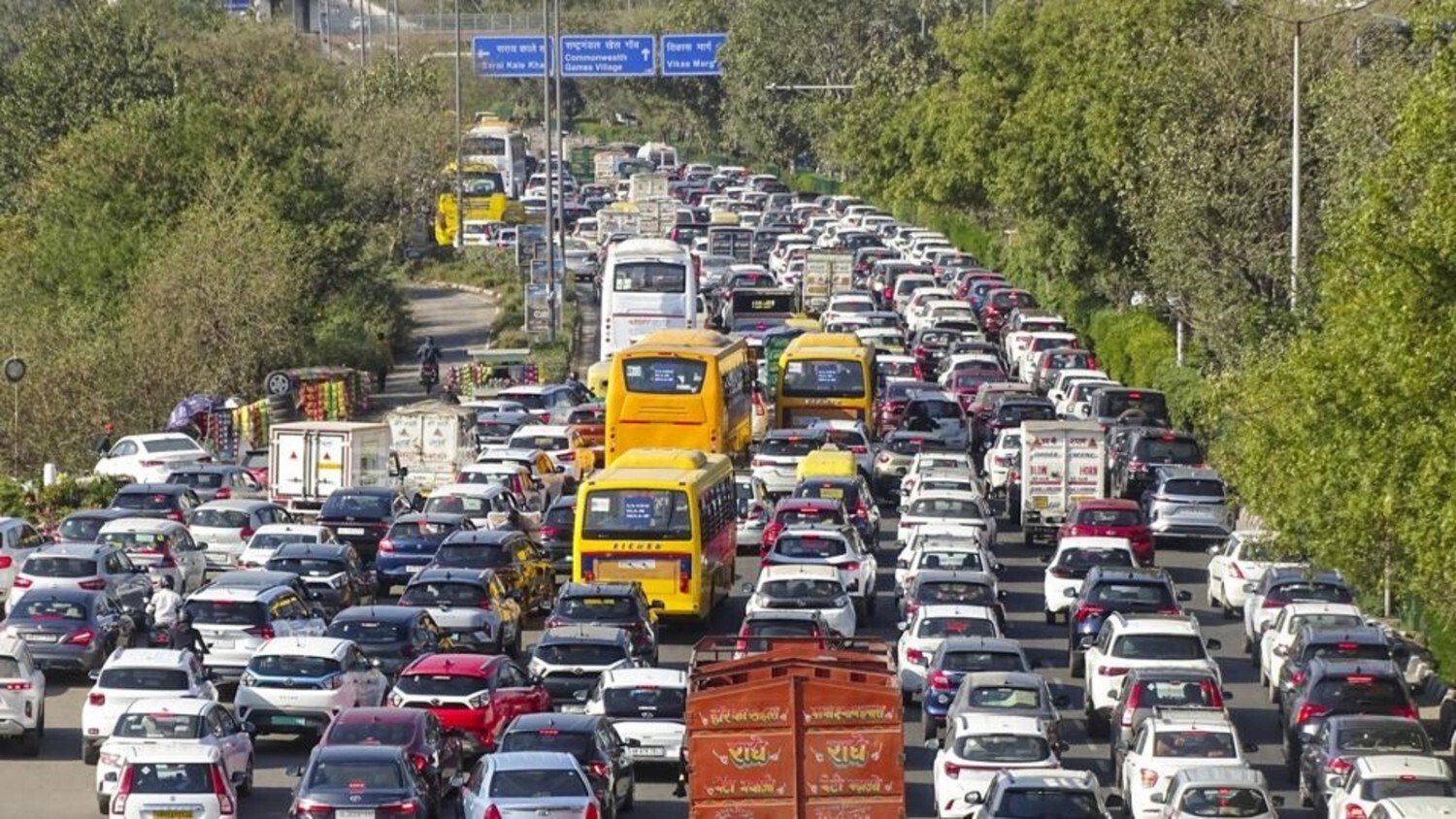
Delhi Vehicular Pollution Highlights Transport Shortfall
Delhi’s ongoing battle with air pollution is facing renewed scrutiny after a legislative review identified structural weaknesses in the way vehicular emissions are managed across the capital. The findings point to critical gaps in public transport capacity, monitoring systems, and enforcement mechanisms, all of which continue to undermine efforts to curb Delhi vehicular pollution. At the centre of the issue is a significant shortfall in the city’s bus fleet. Current availability remains well below the estimated requirement needed to support a population of Delhi’s scale.
Urban mobility experts note that an inadequate public transport network pushes more commuters towards private vehicles, intensifying road congestion and increasing emission levels. This dynamic creates a feedback loop where limited alternatives contribute directly to worsening air quality. The assessment also draws attention to inconsistencies in monitoring frameworks. While Delhi has invested in air quality tracking systems, questions remain around the accuracy, coverage, and integration of data used to guide policy decisions. Environmental analysts argue that reliable data is essential for identifying pollution hotspots and evaluating the effectiveness of interventions aimed at reducing Delhi vehicular pollution. Enforcement of emission standards has emerged as another area of concern. Gaps in compliance checks and inconsistencies in pollution certification processes have raised doubts about the robustness of regulatory oversight. Strengthening these mechanisms is seen as critical, particularly in a city where vehicular emissions account for a substantial share of particulate pollution.
The report also highlights the broader implications of transport planning on urban sustainability. A well-functioning public transport system is not only a mobility solution but also a cornerstone of climate-resilient urban development. Expanding bus fleets, improving route coverage, and integrating cleaner technologies such as electric mobility can significantly reduce reliance on fossil fuel-driven vehicles. From an infrastructure perspective, addressing Delhi vehicular pollution requires coordinated action across multiple domains. This includes upgrading transport networks, improving last-mile connectivity, and ensuring that emission norms are strictly enforced. Urban planners emphasize that piecemeal interventions are unlikely to deliver lasting results without a comprehensive strategy that aligns mobility planning with environmental goals. The economic dimension is equally significant. Poor air quality has direct and indirect costs, affecting public health, workforce productivity, and the city’s attractiveness for investment. Strengthening transport infrastructure and reducing emissions can therefore yield both environmental and economic benefits, reinforcing Delhi’s position as a competitive urban center.
Looking ahead, the findings underscore the urgency of accelerating reforms in the transport sector. Bridging the gap between demand and supply in public mobility, enhancing regulatory systems, and leveraging cleaner technologies will be essential to achieve sustained improvements. As Delhi continues to expand, tackling vehicular emissions remains central to building a healthier, more inclusive, and environmentally resilient urban future.