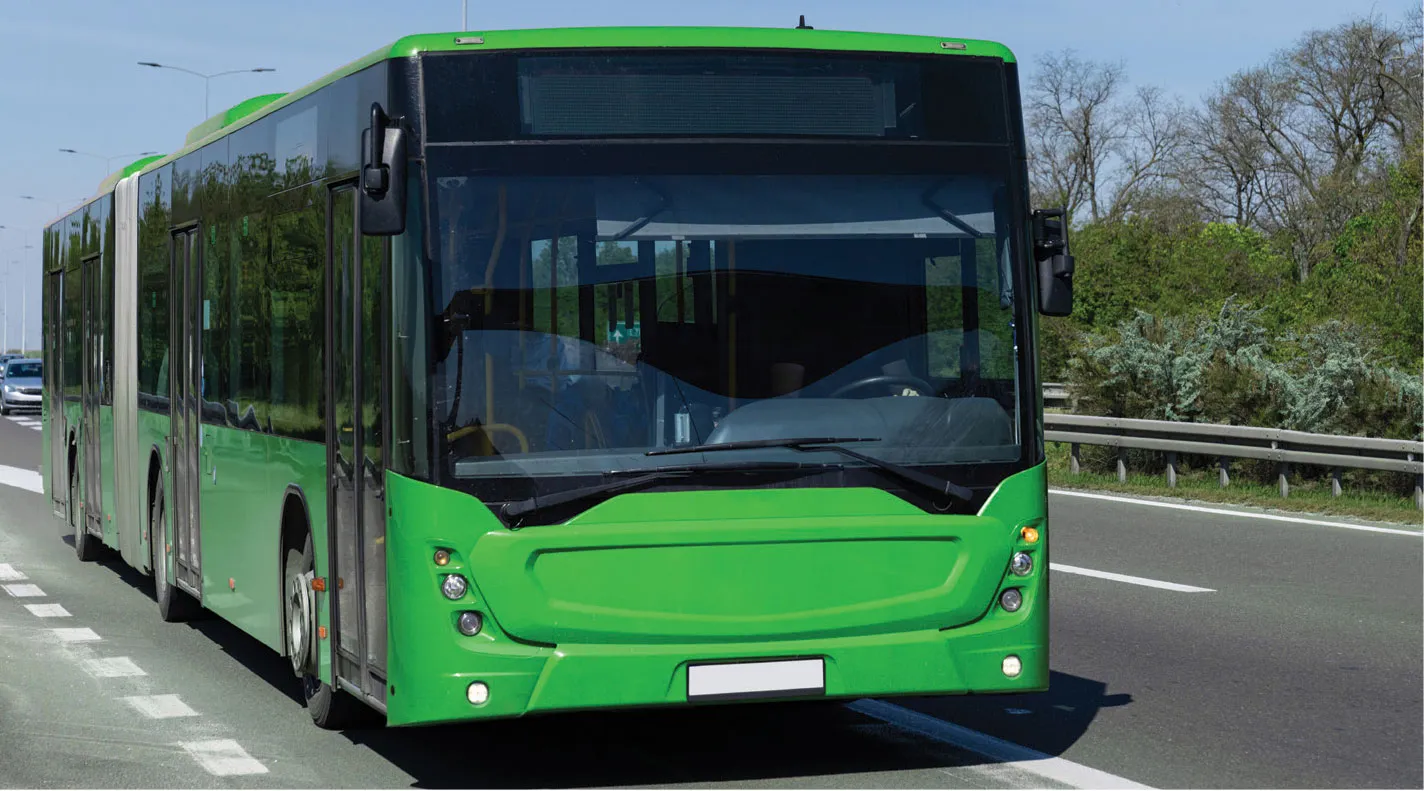
Delhi’s transport ecosystem could be on the cusp of a transition as policymakers evaluate a proposal to integrate compressed biogas into the city’s existing gas-based fuel network. The plan to introduce a Delhi biogas blending plan of up to 20 per cent in compressed natural gas supplies is being positioned as a practical step towards lowering emissions while maintaining operational continuity in urban mobility. The proposal comes at a time when electric vehicles are steadily entering the market but still account for a relatively small share of the capital’s total vehicle fleet. In this context, gas-based fuels continue to play a significant role, particularly in public transport and commercial fleets. Industry observers suggest that blending compressed biogas with conventional CNG could offer an immediate emissions reduction pathway without requiring large-scale behavioural or infrastructural shifts.
One of the key advantages of the Delhi biogas blending plan lies in its compatibility with existing infrastructure. The city already has an extensive network of CNG pipelines and fuelling stations, which can potentially accommodate blended fuel with minimal modifications. This reduces the need for fresh capital investment while accelerating deployment timelines—an important consideration for rapidly growing urban centres. Compressed biogas, typically produced from organic waste such as agricultural residue and municipal waste, is increasingly seen as a viable component of circular urban economies. By converting waste into fuel, cities can address two pressing challenges simultaneously—waste management and clean energy generation. Urban planners note that integrating biogas into the fuel mix could also reduce dependence on imported fossil fuels, improving energy security and stabilising long-term costs. The economic dimension is equally significant. Substituting a portion of conventional fuel with locally produced alternatives may help reduce foreign exchange outflows, while creating new value chains around waste processing, biofuel production, and distribution.
This could generate employment opportunities across peri-urban and rural areas linked to feedstock supply and processing facilities. However, experts caution that successful implementation will depend on consistent feedstock availability, quality control in gas production, and regulatory clarity. Scaling up compressed biogas production requires coordinated efforts across municipal bodies, private operators, and energy companies. Additionally, ensuring that blending standards do not affect vehicle performance or safety will be critical to public acceptance. From a climate perspective, the move aligns with broader efforts to reduce urban carbon emissions. While electric mobility remains a long-term goal, transitional solutions such as biogas blending can help bridge the gap, particularly in segments where electrification is slower or less feasible.
As Delhi continues to expand its transport network and grapple with air quality challenges, the focus is shifting towards diversified energy strategies. The success of initiatives like the proposed blending model will depend on how effectively they integrate with existing systems while advancing the city’s transition towards cleaner, more resilient urban mobility.