Delhi’s economic outlook for 2025–26 points to sustained expansion, with rising incomes and strong public spending reinforcing its position as one of India’s most economically resilient urban regions. The projected increase in Delhi per capita income alongside robust output growth signals not just fiscal strength but also evolving urban consumption patterns and infrastructure demand. Estimates suggest that Delhi per capita income will cross ₹5.3 lakh in 2025–26, maintaining a substantial lead over the national average. This growth trajectory is underpinned by a diversified economy driven by services, trade, and a rapidly formalizing tax base. Urban economists note that higher disposable incomes in metropolitan regions like Delhi tend to accelerate demand for housing, mobility, and digital services, reshaping the city’s development priorities.
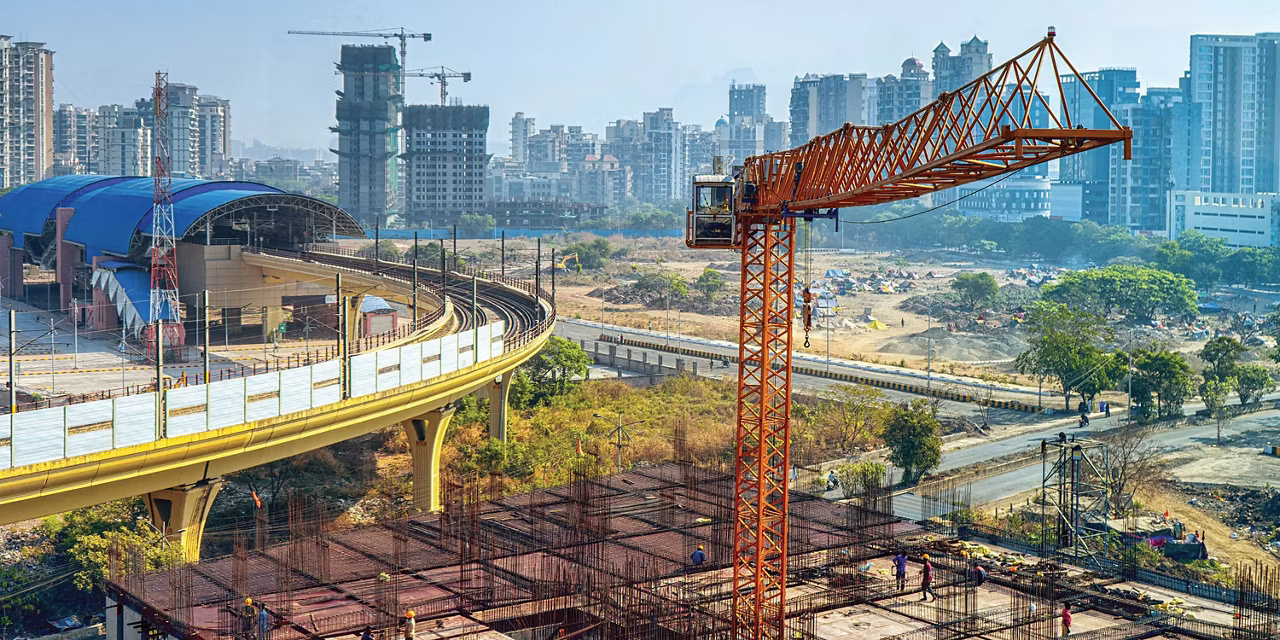
At the macro level, the Gross State Domestic Product is expected to expand at over 9 per cent, reflecting continued economic activity across sectors. While services remain the backbone, construction and urban infrastructure are emerging as key growth multipliers. This is particularly relevant as the capital continues to invest in transit systems, public utilities, and climate-resilient infrastructure to support its expanding population. The government’s fiscal strategy reflects a balancing act between growth-oriented spending and financial discipline. A significant allocation towards public schemes and capital expenditure indicates a push to upgrade urban infrastructure, including transport networks, water systems, and energy efficiency projects. Urban planners argue that such investments are essential to sustain long-term economic productivity while addressing congestion, pollution, and climate risks.
Despite increased spending, the administration is expected to maintain a revenue surplus, largely supported by stable tax inflows from goods and services tax and value-added tax collections. This suggests that Delhi’s consumption-driven economy continues to generate reliable revenue streams, even as expenditure rises. Financial analysts point out that this fiscal stability gives the city room to invest in sustainable urban transitions without compromising its balance sheet. However, the expansion also raises questions about inclusivity. As incomes rise, disparities across informal and formal sectors remain a concern. Experts emphasise that future policy must ensure equitable access to housing, transport, and public services, particularly for low-income and migrant populations who form the backbone of the city’s workforce.
Looking ahead, Delhi’s economic trajectory will depend on how effectively it integrates growth with sustainability. Investments in green mobility, energy-efficient buildings, and climate adaptation could determine whether this expansion translates into long-term urban resilience. With rising incomes and steady fiscal capacity, the city has an opportunity to align economic growth with a more inclusive and environmentally responsive urban future.