Delhi School Infrastructure Gap Widens With Demand
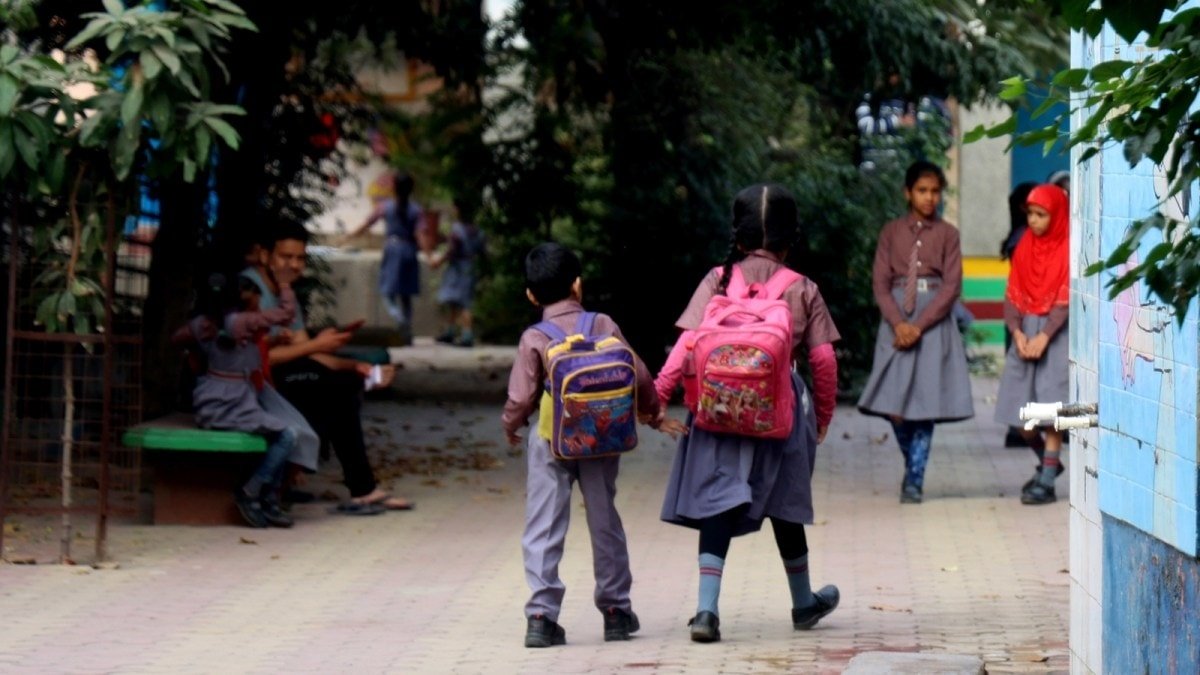
Delhi’s school system is facing mounting infrastructure pressure as student enrolment continues to outpace the expansion of physical facilities. With thousands of institutions accommodating millions of learners, the imbalance between capacity and demand is emerging as a critical urban challenge with implications for education quality, equity, and long-term workforce development. Recent education data indicates that over 44 lakh students are currently enrolled across more than 5,500 schools in the capital. This translates into a high average number of students per institution, pointing to increasingly crowded campuses. While the teaching workforce remains relatively stable—with a pupil-teacher ratio that aligns with national norms—the strain is more visible in the availability of classrooms, buildings, and essential amenities.
The Delhi school infrastructure gap is particularly evident in the uneven distribution of facilities. A significant share of students depends on government-run schools, placing additional pressure on public infrastructure. At the same time, variations across educational stages highlight differing levels of stress, with middle and secondary levels witnessing higher student density relative to available space and resources. Urban planners and education experts argue that this imbalance reflects broader patterns of population growth and migration in metropolitan regions. As families move to cities for economic opportunities, social infrastructure such as schools often lags behind housing and transport development. Without timely investment, this can lead to overcrowded classrooms, reduced learning outcomes, and increased disparities between neighbourhoods. Efforts are underway to address these constraints through planned expansion. Authorities are targeting the construction of new school buildings alongside the addition of thousands of classrooms in the coming years. Such interventions aim to ease congestion and improve the overall learning environment. However, experts caution that expanding capacity alone may not be sufficient unless accompanied by better spatial planning and integration with urban growth corridors.
Beyond physical space, the Delhi school infrastructure challenge also includes gaps in supporting amenities. While basic facilities such as washrooms are available in a majority of schools, access to digital resources and renewable energy infrastructure remains limited. Only a small proportion of institutions currently offer digital libraries, and fewer still have adopted solar energy solutions. These gaps highlight the need to align education infrastructure with broader sustainability and digital inclusion goals. The data also points to isolated concerns such as single-teacher schools, which raise questions about classroom management and educational quality, particularly in foundational learning stages. At the same time, higher enrolment rates among girls across several levels suggest positive social shifts, increasing the urgency to ensure safe, inclusive, and adequately equipped school environments. From an urban development perspective, strengthening school infrastructure is closely linked to equitable growth. Access to quality education influences employment opportunities, income mobility, and social cohesion. As Delhi continues to expand, integrating education planning with housing, transport, and environmental strategies will be essential to creating balanced and resilient communities.
The coming years will test how effectively the city can bridge the infrastructure gap while maintaining quality and inclusivity. For policymakers, the focus will need to move beyond numbers to building schools that are accessible, adaptable, and aligned with the needs of a rapidly evolving urban population.