



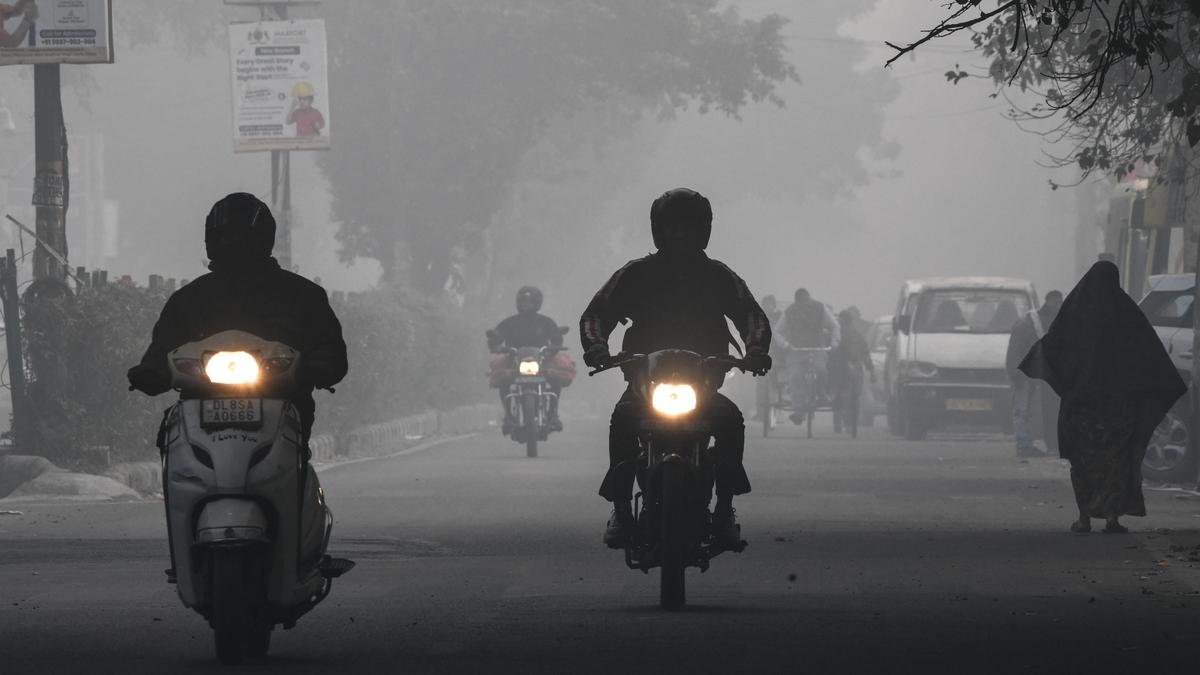
Fuel distribution across parts of Gujarat has come under stress after supply reductions led to the temporary closure of several retail outlets, particularly in cities like Rajkot. The disruption has triggered long queues at operational pumps, underlining the fragility of urban energy supply chains amid global geopolitical tensions. The Gujarat fuel supply cuts are linked to broader disruptions in crude and gas flows following instability in West Asia, which has affected India’s import-dependent energy ecosystem. Reports indicate that fuel availability at select outlets has been constrained, forcing temporary shutdowns and intensifying pressure on the remaining distribution network.
Urban infrastructure experts note that fuel supply systems are highly sensitive to external shocks. Even partial disruptions can create immediate ripple effects across transport, logistics, and daily commuting patterns. The Gujarat fuel supply cuts highlight how quickly urban mobility can be affected when energy supply chains are strained. The situation is particularly visible in cities where private vehicles and logistics fleets dominate mobility. Long queues at petrol pumps not only disrupt daily routines but also increase congestion and emissions as vehicles idle for extended periods. In economic terms, such disruptions can delay goods movement, affecting supply chains that rely on just-in-time delivery models. Officials familiar with energy management indicate that prioritisation measures are being implemented to ensure essential services and household consumption remain stable. Similar strategies have already been seen in gas allocation, where industrial supply was reduced to protect domestic needs amid the same geopolitical pressures. The Gujarat fuel supply cuts also raise concerns about resilience in urban infrastructure planning. Cities that rely heavily on fossil fuels for transport and industry remain vulnerable to external supply shocks. Experts suggest that diversifying energy sources, expanding electric mobility, and strengthening local storage capacity can help mitigate such risks over time. There are broader economic implications as well. Gujarat’s industrial clusters, particularly in textiles, chemicals, and engineering, depend on consistent fuel supply for production and logistics. Any sustained disruption can increase operational costs and affect output, especially when combined with rising fuel prices and global trade uncertainties. From a governance perspective, communication and demand management are critical. Clear public messaging can prevent panic buying, which often exacerbates shortages. At the same time, coordinated action between oil companies, transport authorities, and local administrations is essential to restore normalcy quickly.
Looking ahead, the episode underscores the importance of building resilient urban energy systems. While immediate efforts will focus on stabilising supply, longer-term strategies must address structural vulnerabilities in fuel logistics and urban transport dependence. As Gujarat’s cities continue to grow, ensuring reliable and diversified energy access will be central to maintaining economic continuity, reducing environmental impact, and strengthening overall urban resilience.
ALSO READ – Surat Textile Slowdown Prompts Two Day Weekly Shutdown
Gujarat Fuel Supply Cuts Disrupt Urban Mobility Systems
