


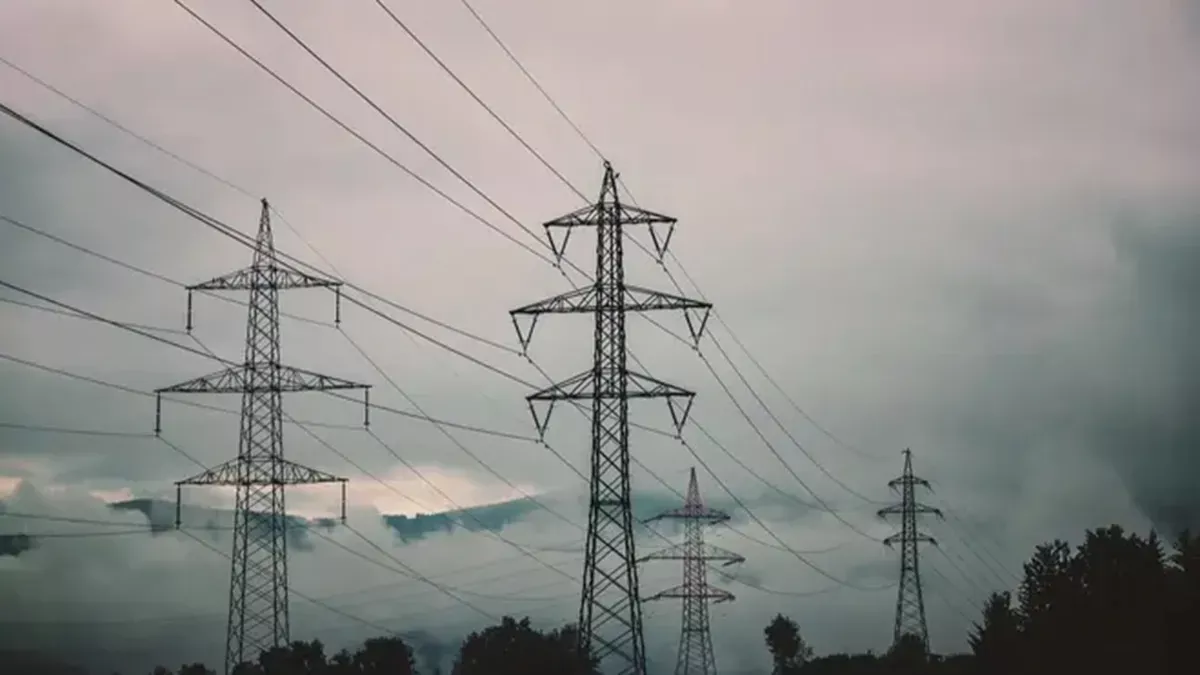
Nagpur’s power distribution network has undergone a sweeping enforcement drive, with more than 21,000 electricity connections suspended over unpaid dues. The move has brought into focus the growing tension between revenue recovery and equitable access to essential urban services in a rapidly expanding city. The latest round of Nagpur power disconnections follows a sustained push by the state-run utility to address mounting arrears across residential and small commercial consumers. Officials indicate that repeated reminders and grace periods preceded the action, suggesting that the issue is not isolated but part of a wider pattern of delayed payments.
For urban systems, such large-scale enforcement has deeper implications. Electricity utilities depend on steady revenue to maintain infrastructure, upgrade grids, and meet rising demand. When collections weaken, the ability to invest in reliable and resilient networks is compromised. In this context, Nagpur power disconnections reflect both a financial corrective step and a warning signal for urban infrastructure sustainability. At the same time, the social dimension cannot be overlooked. Energy access is closely tied to quality of life, affecting everything from household comfort to digital connectivity and small business operations. Urban development experts caution that sudden disconnections, especially in lower-income neighbourhoods, can disrupt livelihoods and widen inequalities unless accompanied by structured support mechanisms. The situation also points to evolving consumption and billing challenges. As cities expand into peripheral areas, inconsistencies in metering, billing disputes, and limited awareness about payment systems often contribute to arrears. Analysts suggest that proactive engagement—such as simplified billing, digital payment options, and early intervention strategies—can reduce defaults without resorting to large-scale cut-offs. From a planning perspective, Nagpur power disconnections underline the need for integrated urban governance. Utilities, municipal bodies, and social welfare systems must work in tandem to ensure that enforcement does not disproportionately impact vulnerable groups. Flexible repayment plans and targeted subsidies are increasingly seen as tools to balance financial discipline with service continuity
There are also long-term implications for energy transition goals. Financially constrained utilities may struggle to invest in renewable integration, smart grids, and energy-efficient infrastructure. Ensuring consistent revenue flows is therefore critical not just for operational stability, but also for advancing low-carbon urban development. Looking ahead, the focus is likely to shift towards preventing recurrence. Data-driven monitoring of consumption patterns, combined with policy measures that address affordability and awareness, could help stabilise collections. As Nagpur continues to grow, maintaining reliable and inclusive electricity access will remain central to its economic resilience and urban liveability.
ALSO READ – Nagpur Power Disconnections Expose Urban Payment Gaps
Nagpur Power Disconnections Strain Urban Service Access
