


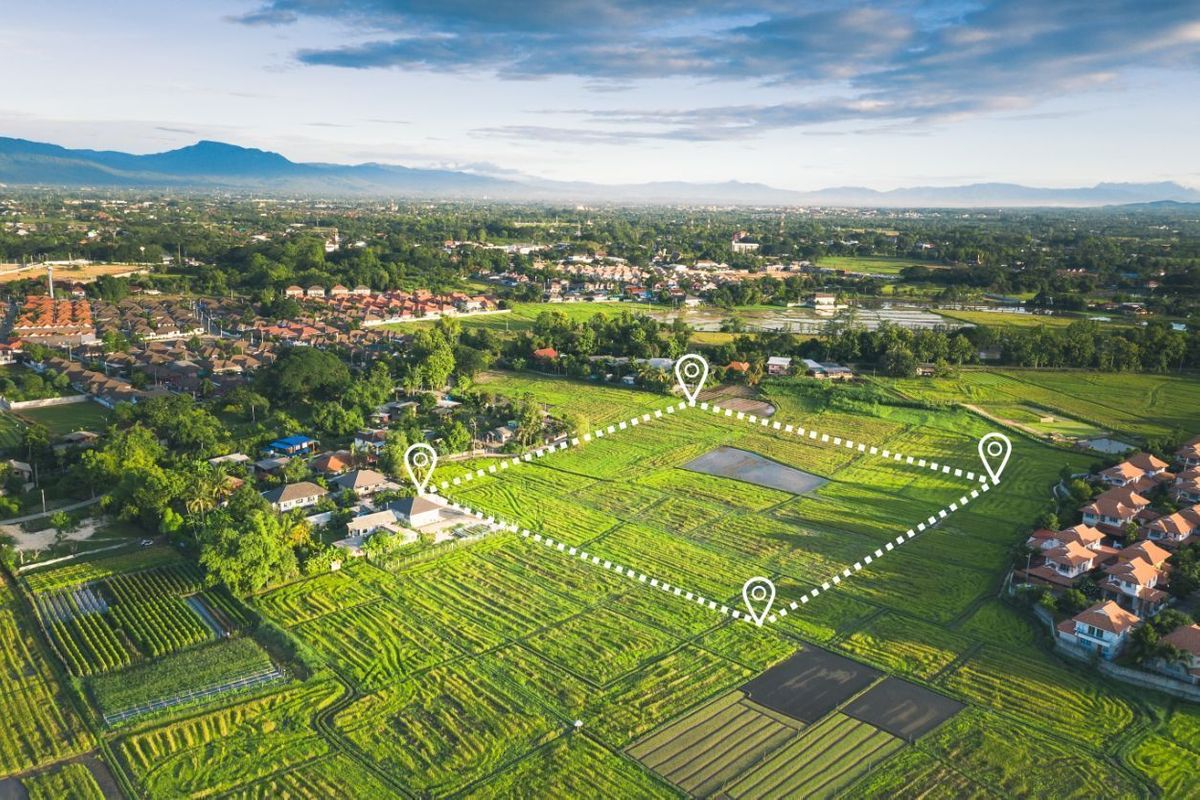
Indore is preparing to open allotments for plots in newly developed industrial zones from the upcoming financial year, signalling a fresh push to expand its manufacturing and business base. The move is expected to attract investment, generate employment, and reinforce the city’s position as a key industrial centre in central India. Officials overseeing industrial development indicate that the new areas have been planned to accommodate a mix of sectors, offering land parcels suited for manufacturing, logistics, and allied industries. The phased rollout of allotments is designed to ensure orderly development while matching infrastructure readiness with investor demand.
The Indore industrial plots initiative reflects a broader strategy to decentralise industrial activity within the region. By creating new industrial zones, authorities aim to reduce pressure on existing clusters while opening up opportunities for businesses to expand or relocate. This approach supports more balanced urban growth and helps manage congestion in established industrial areas. Urban economists note that access to serviced land is a critical factor in attracting investment. Industrial plots with reliable infrastructure — including power, water, and connectivity — can significantly reduce entry barriers for businesses. In this context, the planned allotments are likely to enhance the region’s competitiveness in attracting both domestic and external investment. The initiative is also expected to have a multiplier effect on the local economy. New industrial units can stimulate demand for housing, transport, and services, creating opportunities for small and medium enterprises. This ripple effect is essential for building resilient urban economies that can sustain long-term growth. From a planning perspective, the development of new industrial zones provides an opportunity to integrate sustainability principles from the outset. Experts suggest that incorporating energy-efficient infrastructure, waste management systems, and water conservation measures can help align industrial expansion with environmental goals. The Indore industrial plots rollout also highlights the importance of coordinated governance. Ensuring timely approvals, transparent allocation processes, and effective monitoring will be key to maintaining investor confidence and preventing delays. Clear regulatory frameworks can help streamline development and reduce uncertainty for businesses. There are also implications for workforce development. As new industries establish operations, the demand for skilled labour is likely to increase. Training programmes and partnerships with educational institutions can help ensure that local populations are equipped to benefit from emerging opportunities.
However, stakeholders caution that rapid industrial expansion must be managed carefully to avoid unintended consequences such as environmental stress or uneven development. Integrating industrial growth with urban planning, including housing and transport infrastructure, will be critical to maintaining quality of life. As Indore moves forward with the allotment process, the focus will be on how effectively these new industrial areas translate into operational units and economic activity. The success of the initiative could shape the region’s industrial trajectory and strengthen its role in India’s manufacturing landscape.
ALSO READ – Indore Fire Safety Compliance Deadline Raises Enforcement Push
Indore Industrial Plots Allotment To Boost Regional Growth
