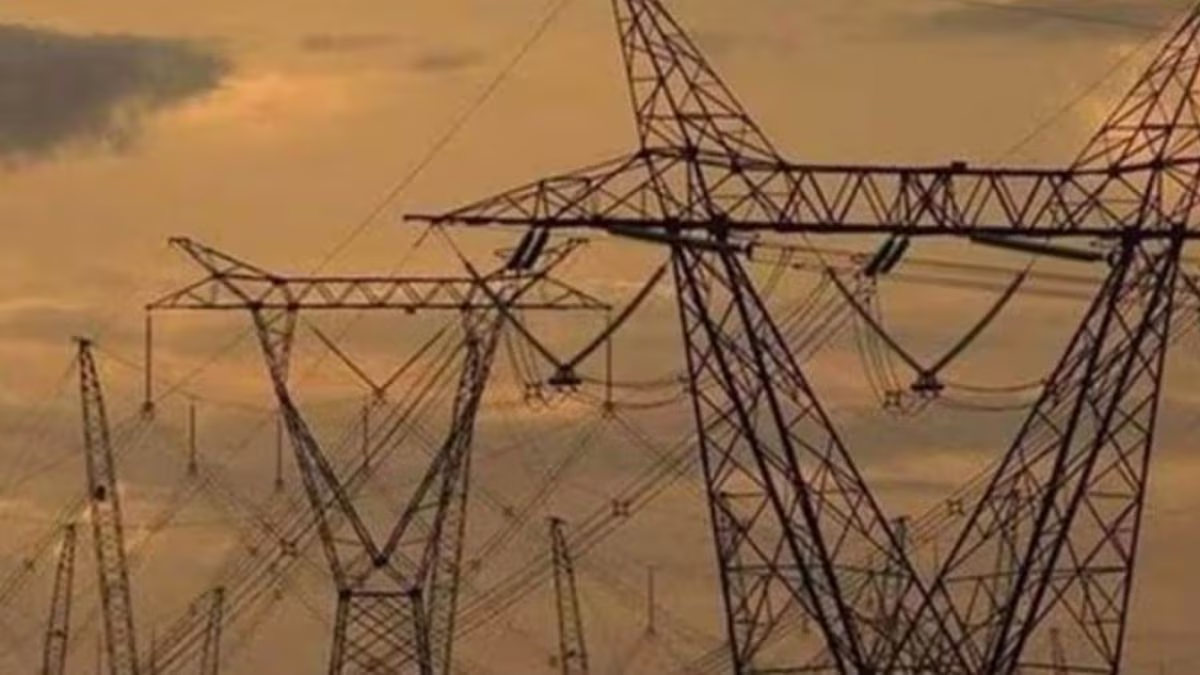
Goa is preparing to transition its electricity distribution system into a fully automated network, signalling a strategic shift towards smarter, more resilient urban infrastructure. The move, discussed at a national power sector forum, reflects the state’s attempt to strengthen grid reliability while aligning with India’s broader energy transition goals.
Officials indicate that the proposed upgrade will centre on deploying supervisory control and data acquisition systems and digitally enabled substations. These technologies allow utilities to monitor and manage electricity flows in real time, reducing outages, improving response times, and enhancing operational efficiency. For a geographically compact but economically active state, such systems are expected to optimise supply across both urban and coastal regions.
The Goa power network automation plan builds on recent gains in reducing aggregate technical and commercial losses—a key performance metric that reflects inefficiencies in transmission and billing. Sector analysts say lower losses not only improve financial health of utilities but also reduce wasted energy, contributing indirectly to climate goals.
Parallel investments in underground cabling have already reshaped parts of the state’s distribution landscape. By replacing overhead lines, authorities have aimed to improve reliability during extreme weather events, a growing concern in coastal regions facing climate variability. Urban planners note that combining underground infrastructure with digital monitoring systems creates a more robust and disaster-resilient network. The next phase, however, extends beyond reliability. Energy experts highlight that automation is critical for integrating renewable power sources such as rooftop solar and decentralised generation. As Goa seeks to expand its clean energy footprint, managing variable supply will require intelligent grid systems capable of balancing demand and generation dynamically.
At a policy level, smaller states like Goa often face structural challenges in scaling renewable capacity due to limited land availability and grid constraints. However, digital upgrades can partially offset these limitations by improving efficiency within existing infrastructure. “Automation allows utilities to do more with the same network footprint,” said an energy sector consultant familiar with state-level power reforms. The initiative also has implications for the real estate and tourism sectors, both of which depend heavily on uninterrupted power supply. Reliable electricity is increasingly seen as a baseline requirement for high-value urban development, hospitality investments, and emerging service industries. As cities compete for investment, grid stability and sustainability credentials are becoming critical differentiators.
Goa’s recent performance in national utility rankings suggests a relatively strong starting point for this transition. However, industry observers caution that implementation will require sustained capital investment, skilled workforce training, and coordination between state and central agencies. As the Goa power network automation programme progresses, its success will likely depend on how effectively technology adoption is paired with regulatory and financial reforms. If executed well, the model could offer a template for other small states seeking to modernise infrastructure while advancing low-carbon, future-ready urban systems.
Goa Power Network Automation Plans Gain Momentum