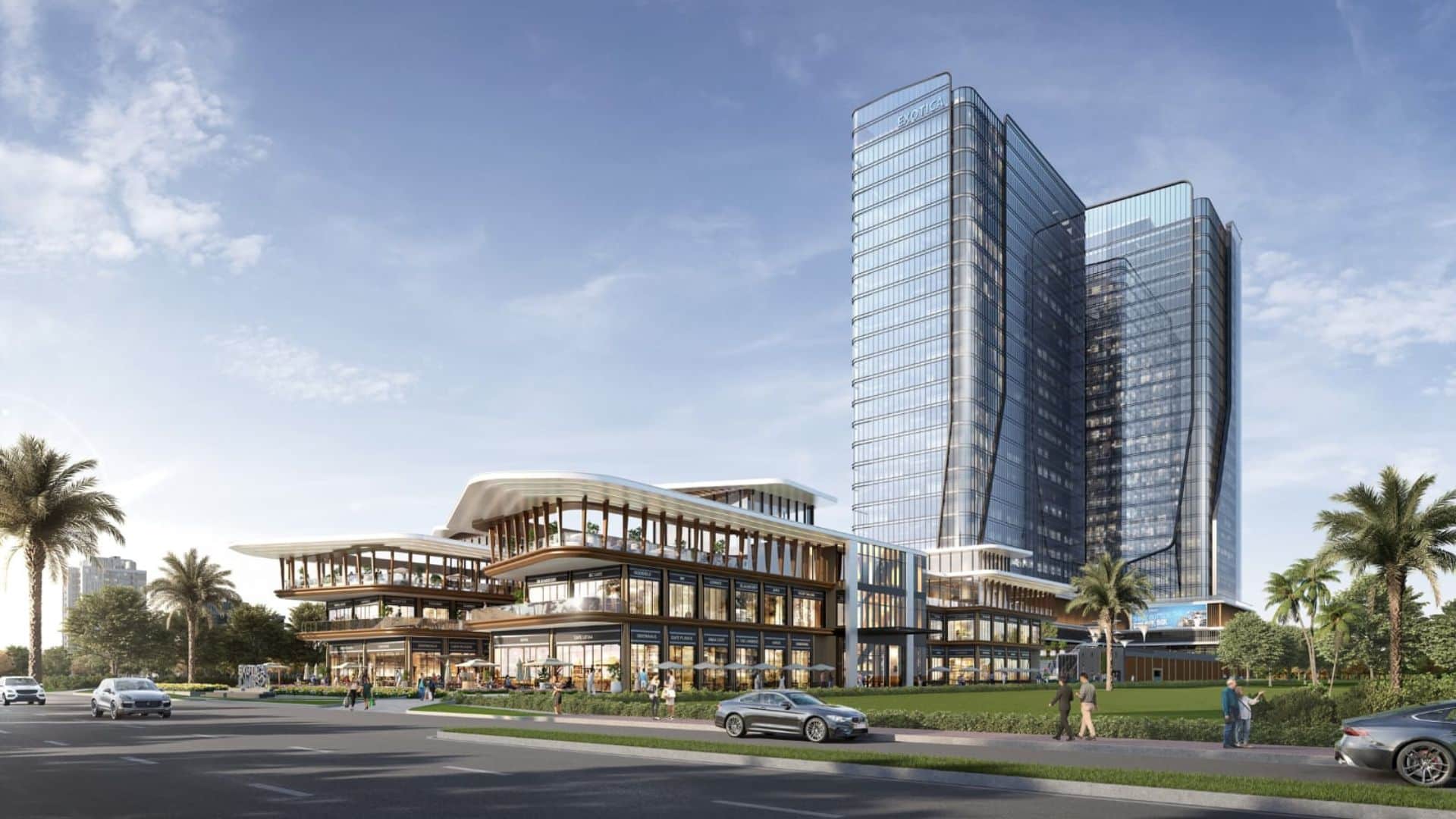
A ₹500 crore commercial real estate investment is set to reshape a key stretch of Noida’s expressway corridor, as a new office and retail development takes shape in Sector 132. The project reflects rising demand for integrated workspaces in the National Capital Region and signals continued investor confidence in Noida’s position as a growing technology and services hub.
Planned across nearly five acres along the Noida–Greater Noida Expressway, the development will combine office spaces with retail and food amenities, aligning with a broader shift towards mixed-use urban environments. Industry observers note that such formats are increasingly preferred by occupiers seeking convenience, reduced commute times, and improved employee well-being. The commercial real estate investment comes at a time when Noida is witnessing sustained absorption of Grade A office stock, particularly from IT and IT-enabled services firms. With flexible office sizes ranging from mid-scale units to larger corporate floors, the project appears positioned to cater to both emerging enterprises and established firms. Urban planners suggest this diversification of workspace formats is critical in fostering a more inclusive business ecosystem that accommodates startups as well as large employers.
Connectivity remains central to the project’s appeal. Its proximity to a planned metro station and direct access to the expressway corridor could ease commuting pressures, a persistent concern in NCR cities. Improved transit integration, experts say, not only enhances real estate value but also supports lower carbon mobility by encouraging public transport usage over private vehicles. Sustainability features are also being prioritised. The development is targeting high green building standards, with energy-efficient systems, smart building management technologies, and provisions for large-scale parking supported by automation. While certifications often signal environmental intent, urban development specialists caution that long-term performance will depend on operational efficiency and tenant practices rather than design alone. Beyond infrastructure, the project reflects evolving expectations of workplace environments. Amenities such as wellness zones, recreational areas, and digitally managed facilities indicate a shift towards employee-centric design. This aligns with post-pandemic trends where occupiers are seeking spaces that support productivity, collaboration, and mental well-being.
However, some analysts highlight the need for balanced growth. As commercial real estate investment continues to expand in Noida, ensuring adequate civic infrastructure such as water supply, waste management, and last-mile connectivity will be essential to avoid strain on urban systems. Integrating these developments into a broader planning framework will determine whether such investments translate into sustainable urban growth. With delivery timelines extending to the end of the decade, the project underscores long-term confidence in Noida’s commercial trajectory. Its progress will be closely watched as a marker of how NCR cities adapt to changing work patterns while striving to build more resilient and people-focused urban districts.