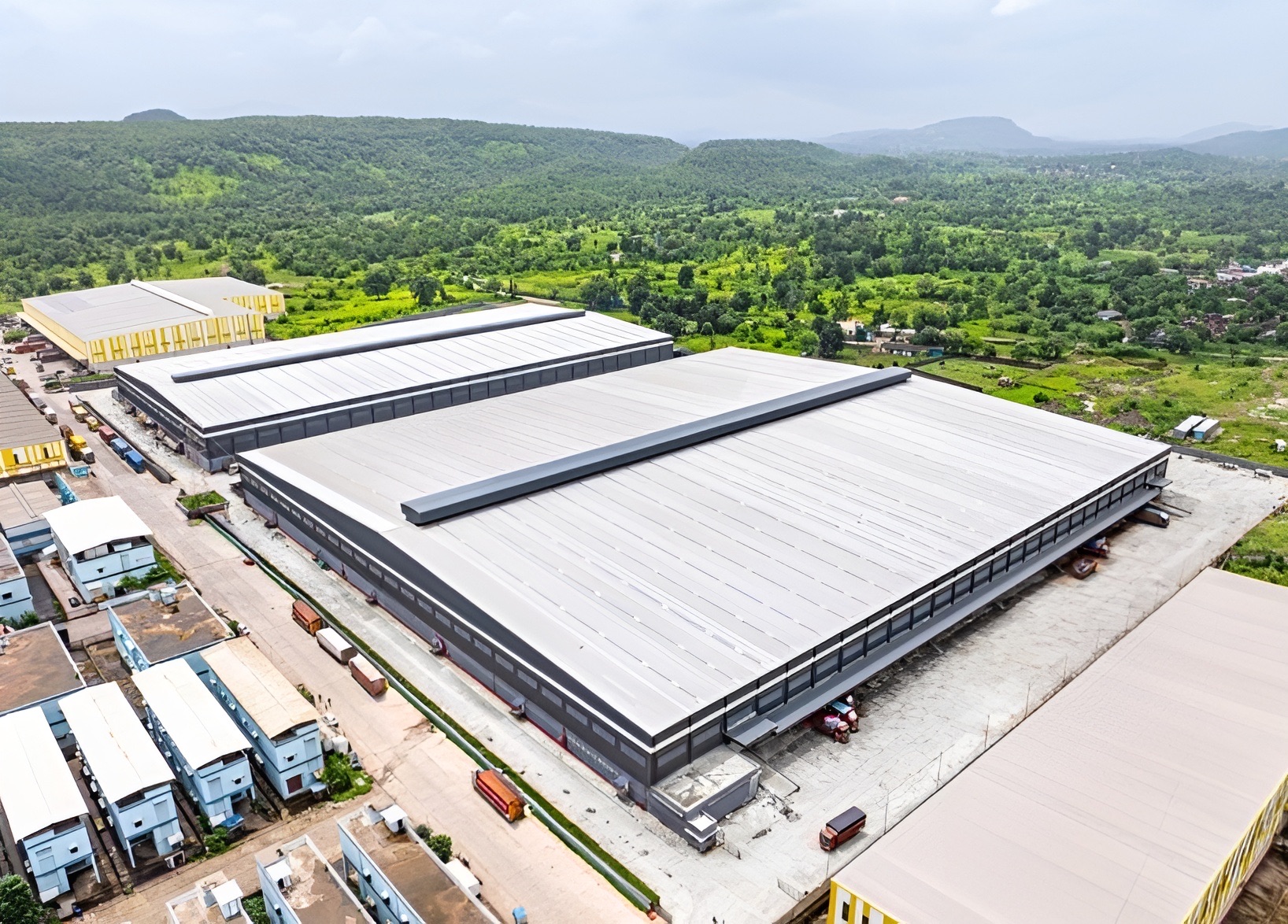
A major Bhiwandi warehouse acquisition on the outskirts of Mumbai is reinforcing the region’s position as one of India’s most critical logistics hubs, at a time when e-commerce and supply chain networks are rapidly reshaping urban land use.
The Bhiwandi warehouse acquisition involves a fully leased Grade A logistics asset in the Mumbai Metropolitan Region (MMR), underscoring sustained investor appetite for income-generating industrial real estate. Located within one of the country’s busiest warehousing clusters, the asset adds to a growing portfolio of institutional investments targeting high-demand distribution corridors. Bhiwandi has evolved into a key logistics node due to its proximity to Mumbai’s consumption centres, access to arterial highways, and connectivity to ports and airports. Industry observers say such acquisitions reflect a structural shift in how cities manage goods movement, with warehousing now seen as essential urban infrastructure rather than peripheral land use.
The Bhiwandi warehouse acquisition includes large-format storage facilities designed for modern logistics operations, with long-term leases to companies operating in the food and grocery e-commerce segment. Analysts note that the presence of essential goods operators adds resilience to rental income, particularly during periods of economic volatility. From an urban planning perspective, the expansion of organised warehousing in Bhiwandi is also influencing employment patterns and regional development. Logistics parks generate a range of jobs, from transport and handling to technology-driven inventory management, supporting local economies while also increasing demand for worker housing and public services.
At the same time, experts caution that rapid logistics expansion must be aligned with environmental and infrastructure planning. Large warehouse clusters contribute to increased freight traffic, energy consumption, and land transformation. “The next phase of logistics growth will depend on how effectively sustainability measures are integrated into design and operations,” said a supply chain consultant tracking industrial real estate trends. The asset involved in the Bhiwandi warehouse acquisition incorporates features such as energy-efficient lighting and provisions for renewable energy integration, signalling a gradual shift towards greener logistics infrastructure. Such measures are increasingly becoming standard expectations for global investors seeking to align portfolios with climate goals.
Financially, the transaction highlights the continued use of leveraged acquisitions in the sector, even as interest rates and capital costs remain under scrutiny. Market participants indicate that stable lease tenures and built-in rental escalations make warehousing assets attractive for long-term income visibility. As Mumbai’s consumption economy expands, demand for efficient storage and distribution networks is expected to intensify. The Bhiwandi warehouse acquisition illustrates how institutional capital is positioning itself to support this growth, while also raising questions about land use balance, transport integration, and sustainability in one of India’s fastest urbanising regions.
Mapletree Expands Mumbai Logistics Footprint With Purchase