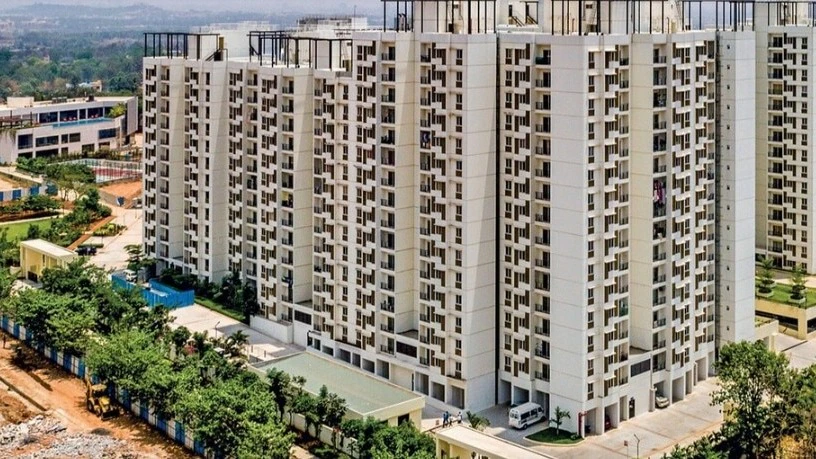
A fresh wave of concern is emerging around Bengaluru housing market stability, as signals of a global technology sector slowdown begin to influence buyer sentiment in India’s leading tech hub. Industry observers say a potential softening in high-income job growth could reshape demand patterns, particularly in the premium residential segment, with wider implications for pricing across categories.
Over the past few years, Bengaluru’s housing growth has been closely tied to the expansion of its technology workforce. High disposable incomes, stock-linked compensation, and steady hiring cycles helped sustain demand for larger homes, gated communities, and investment-driven purchases. However, recent caution in global tech spending, coupled with evolving employment trends, is prompting more measured decision-making among prospective buyers. Real estate analysts indicate that luxury housing often acts as a leading indicator in such cycles. Any moderation in demand at the top end could gradually influence mid-segment housing, especially properties priced in the ₹2–3 crore range. These homes, once considered aspirational but accessible to upwardly mobile professionals, may face recalibration if income visibility weakens or financing conditions tighten.
Urban planners point out that not all housing typologies will respond equally. Standalone apartment buildings typically lacking integrated amenities, energy-efficient infrastructure, and community services could face greater pressure compared to newer, master-planned developments. In contrast, projects designed with shared infrastructure, green building practices, and long-term maintenance frameworks may demonstrate stronger resilience, particularly as buyers increasingly prioritise liveability and operational sustainability. At the same time, structural factors within the Bengaluru housing market may limit the scale of any correction. Property ownership in India is often characterised by long holding periods and relatively conservative leverage. Financial institutions have also adopted stricter lending norms in recent years, reducing systemic risk.
This means that distress-driven selling may remain limited, even if price growth moderates. Market experts further note that while certain job roles may face disruption due to automation and artificial intelligence, new employment opportunities are emerging in advanced digital sectors. This transition could temporarily slow transaction volumes but may not fundamentally weaken Bengaluru’s position as a major employment and innovation centre. From an urban development perspective, the current moment highlights the importance of aligning housing supply with long-term economic realities. Cities like Bengaluru are under increasing pressure to deliver housing that is not only affordable but also climate-resilient, resource-efficient, and well-connected to employment hubs. Overdependence on high-income buyer segments can create vulnerabilities, especially in globally linked economies. In the near term, a more cautious approach among buyers is expected, with longer evaluation cycles and greater scrutiny of project quality, location, and sustainability features. Over the longer horizon, the trajectory of the Bengaluru housing market will likely depend on how effectively the city balances economic growth with inclusive, future-ready urban planning.