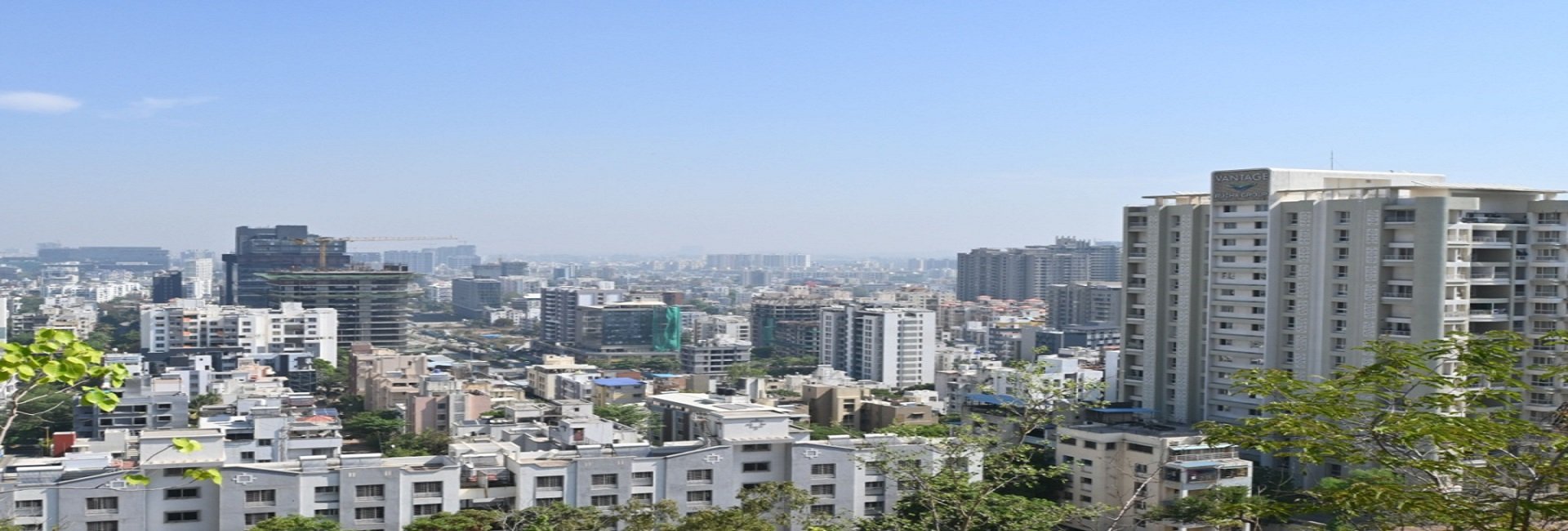
Mumbai’s eastern suburb of Chembur is witnessing a steady recalibration of its urban identity, as older institutional and industrial land parcels are repurposed into high-end residential developments. The shift is emerging as a key marker of how land-scarce metropolitan regions are adapting to rising housing demand while reconfiguring legacy spaces into modern, amenity-driven neighbourhoods.
At the centre of this transition is the growing traction of Chembur premium housing, driven by the redevelopment of historically significant sites. Large land holdings that once housed film studios, factories and institutional uses are increasingly being unlocked for residential construction. These parcels offer developers scale, location advantage and the ability to design integrated projects with open spaces features that are otherwise limited in dense urban settings. Urban planners note that such transitions are not isolated. Across Mumbai, ageing industrial zones and underutilised land are being redeployed to support vertical residential growth. In Chembur, this pattern is particularly visible due to the suburb’s established social infrastructure and proximity to key employment hubs.
Green adjacency has further strengthened the appeal of Chembur premium housing. Residential developments near expansive recreational zones are commanding higher interest from homebuyers seeking access to open spaces within the city. In a dense metropolis grappling with shrinking per capita green cover, such locations are increasingly perceived as offering both lifestyle and environmental value. Infrastructure upgrades have also played a decisive role. Enhanced connectivity through arterial road networks and public transport systems has improved access between Chembur and major commercial districts, including central business zones and emerging financial corridors. This has repositioned the suburb as a viable residential choice for professionals working across Mumbai’s dispersed economic centres. Industry experts suggest that the entry of multiple organised developers into the micro-market reflects growing confidence in long-term demand. Redevelopment projects are replacing older, low-rise structures with high-density residential towers equipped with contemporary amenities, improved safety standards and more efficient land use patterns. This aligns with broader urban policy goals of densification along transit corridors, though it also raises questions about infrastructure capacity and equitable access.
From a sustainability lens, the transformation presents both opportunities and challenges. Redeveloping brownfield sites reduces pressure on peripheral greenfield expansion, but also necessitates careful planning around water use, waste management and mobility. Urban designers emphasise the need for climate-sensitive construction practices and inclusive public spaces to ensure that redevelopment benefits extend beyond gated residential complexes. As Chembur continues to evolve, its trajectory reflects a wider shift in Mumbai’s development model where legacy land assets are being reimagined to meet contemporary housing needs. The coming years will test how effectively this growth balances density with liveability, and whether infrastructure and environmental considerations keep pace with the suburb’s rising real estate profile.