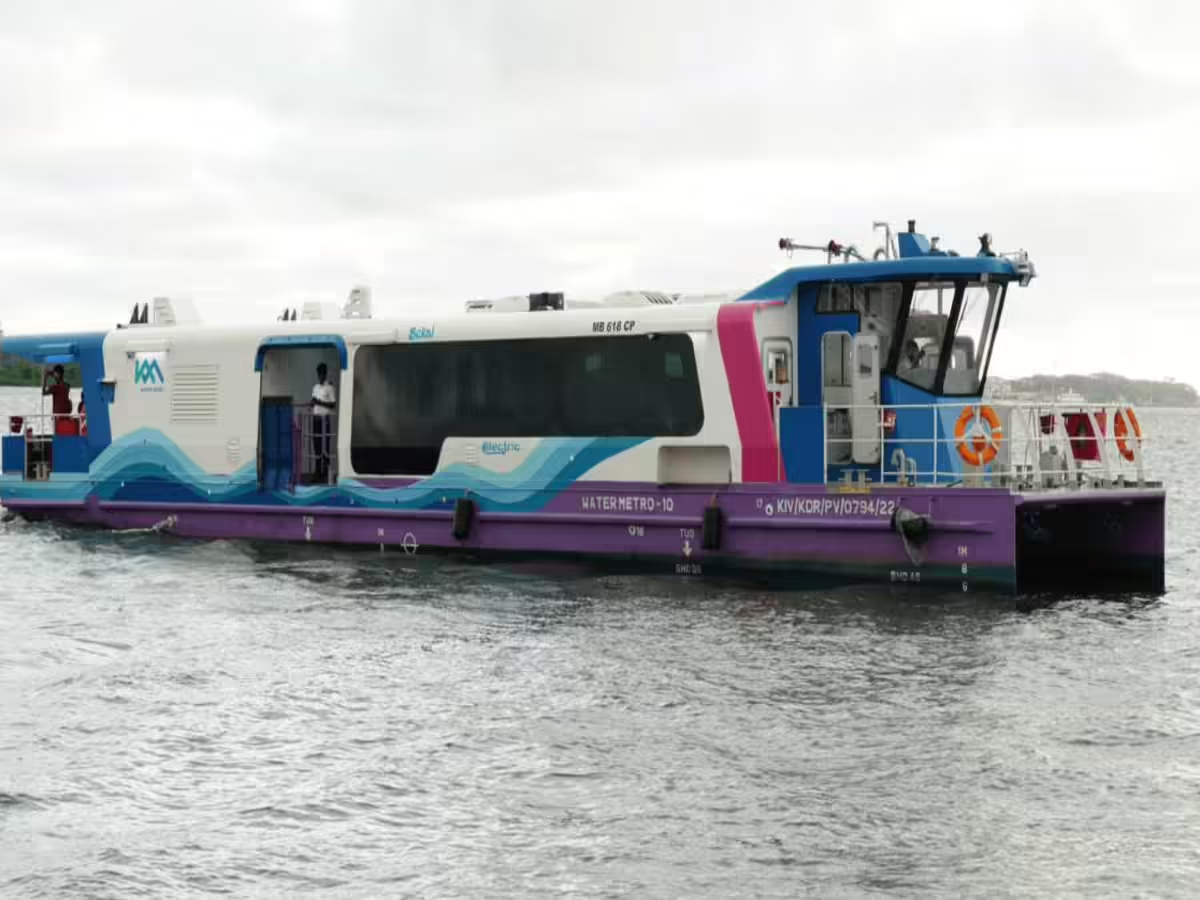
Mumbai is preparing to introduce a new layer to its urban transport network, with authorities outlining a phased rollout of a water-based transit system aimed at easing pressure on the city’s congested roads. The initiative, expected to begin operations from late 2026, will deploy electric ferries across key coastal routes, positioning waterways as an integral part of the metropolitan mobility mix.
The Mumbai water metro is being conceptualised as a multi-route network linking prominent commercial and residential districts along the city’s western shoreline. Initial plans indicate that high-demand corridors within the island city will be prioritised, before the system expands outward to connect suburban and regional nodes across the Mumbai Metropolitan Region (MMR). Urban mobility experts see the Mumbai water metro as a strategic response to the city’s spatial constraints. With limited room for road expansion and increasing demand on rail-based systems, leveraging natural waterways offers an alternative that can reduce travel times while distributing commuter load more evenly. Key stretches under consideration include connections between central business districts and densely populated suburbs, where peak-hour congestion remains a persistent challenge.
A notable component of the proposed network is a direct water link between South Mumbai and the upcoming Navi Mumbai International Airport. If executed as planned, this route could significantly shorten travel durations for airport-bound passengers, offering a competitive alternative to road journeys that are often affected by traffic bottlenecks. The project’s emphasis on battery-powered vessels aligns with broader efforts to decarbonise urban transport. By reducing reliance on fossil fuel-driven road traffic, the Mumbai water metro could contribute to lowering emissions in a city that continues to grapple with air quality concerns. However, experts caution that environmental gains will depend on how the system is integrated with last-mile connectivity and supporting infrastructure such as jetties, terminals, and multimodal links.
From an economic standpoint, improved waterfront connectivity has the potential to influence development patterns. Areas with direct access to water transport could see increased real estate interest, particularly in mixed-use developments that benefit from enhanced accessibility. At the same time, planners stress the importance of regulating such growth to avoid ecological stress along sensitive coastal zones. The project is expected to be guided by a detailed feasibility framework, which will assess route viability, passenger demand, and environmental considerations. Lessons from similar systems in other Indian cities are likely to inform implementation, particularly in areas such as fare integration, service frequency, and operational efficiency.
As Mumbai advances the Mumbai water metro, the initiative reflects a broader shift towards diversified, climate-conscious transport solutions. While execution challenges remain—from infrastructure readiness to commuter adoption—the project represents an attempt to reimagine mobility in a city defined by both its density and its coastline. The coming years will determine whether water-based transit can move from concept to a reliable, everyday commuting option.
Mumbai Water Metro Rollout To Begin In Phases