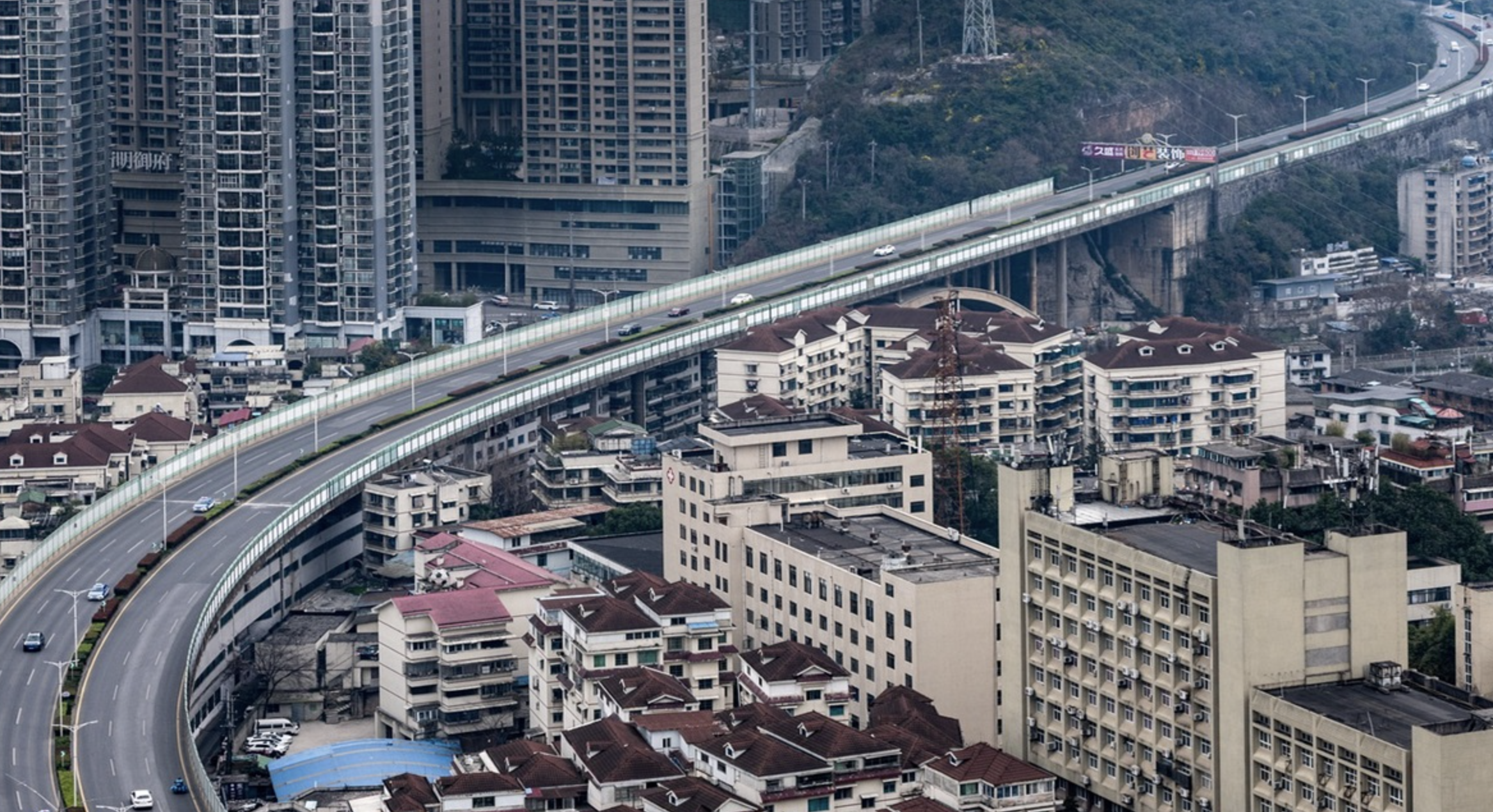
Pune’s civic administration has moved forward with a major road intervention in its eastern growth corridor, approving a grade-separated structure at a key junction linking Kharadi, Mundhwa and adjoining neighbourhoods. The decision is aimed at addressing persistent congestion in one of the city’s fastest urbanising belts, where rising residential density and IT-led employment hubs have sharply increased daily traffic volumes.
The proposed Mundhwa flyover, estimated at over ₹100 crore, is expected to streamline through-movement along a critical stretch that currently experiences prolonged signal delays during peak hours. For thousands of daily commuters travelling between Kharadi’s commercial clusters and residential pockets in Mundhwa and Keshavnagar, the project could reduce travel uncertainty and improve journey reliability. Urban planners tracking Pune’s expansion say the Mundhwa flyover reflects a broader shift in how the city is responding to mobility stress in peripheral zones. Unlike legacy areas with established grid networks, newer corridors have seen rapid, often fragmented development, leaving transport infrastructure struggling to keep pace. As a result, junction-based bottlenecks have become a recurring challenge, particularly where arterial and feeder roads intersect.
Officials involved in the project indicate that the flyover design has been aligned with planned mass transit infrastructure along the same corridor. This coordination is expected to minimise future disruptions and avoid costly redesigns, a recurring issue in Indian cities where overlapping infrastructure projects often proceed in silos. Integrating road and metro systems is increasingly seen as essential for improving long-term urban mobility outcomes. The absence of fresh land acquisition requirements is likely to accelerate execution timelines. With prior clearance of encroachments at the site, authorities anticipate fewer legal and logistical hurdles, which have historically delayed similar projects. Construction is expected to span roughly two years once work begins, subject to on-ground conditions.
Alongside vehicular movement, pedestrian safety has also been factored into the area’s mobility plan. A separate proposal to develop a pedestrian underpass nearby signals a gradual shift towards more inclusive infrastructure, particularly in high-traffic zones where safe crossing options remain limited. Experts note that such interventions, though smaller in scale, are critical in reducing road accidents and improving accessibility for non-motorised users. However, the long-term effectiveness of the Mundhwa flyover will depend on how it integrates with broader transport strategies. While flyovers can ease immediate congestion, they may also induce additional traffic over time if not complemented by robust public transport and demand management measures. In rapidly growing corridors like eastern Pune, balancing road expansion with sustainable mobility solutions remains a key policy challenge.
As Pune continues to expand outward, projects such as the Mundhwa flyover highlight the city’s attempt to recalibrate infrastructure planning in response to changing urban patterns. The next phase will test whether such investments can deliver not just faster commutes, but also more resilient and people-oriented urban environments.
Pune Plans Mundhwa Fyover To Cut Delays