


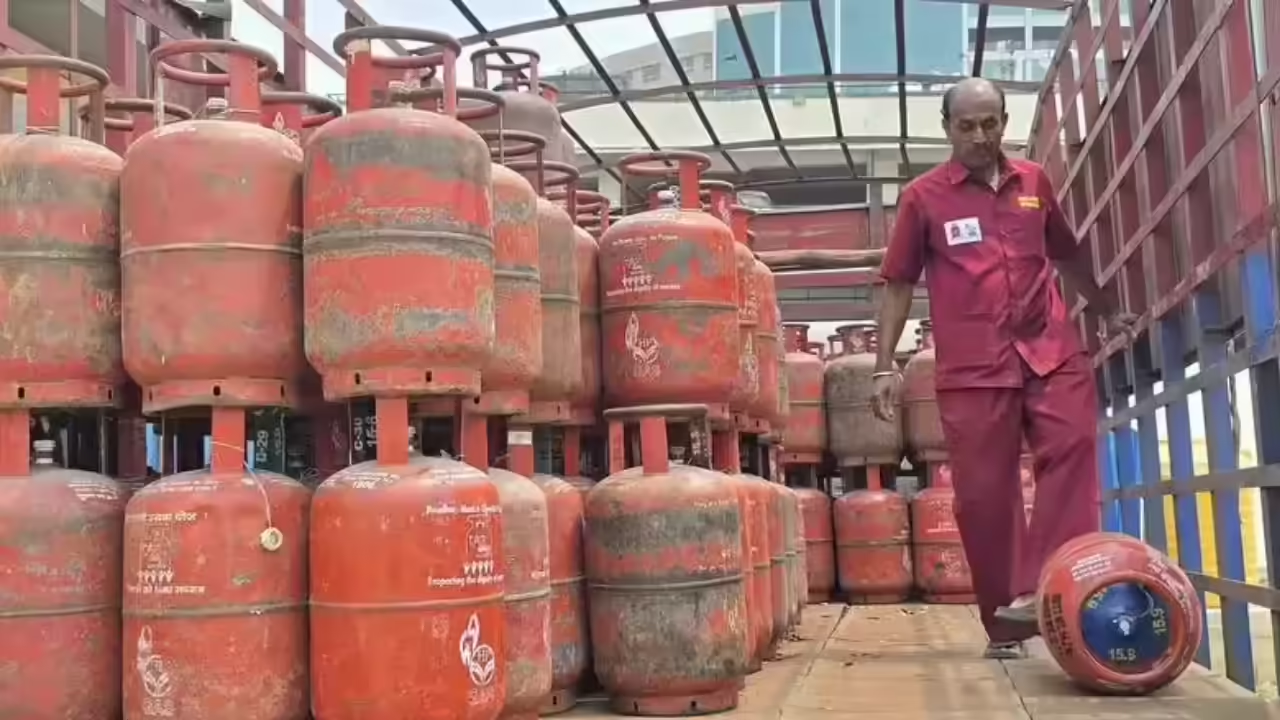
Bengaluru’s shared housing sector is grappling with a severe shortage of liquefied petroleum gas (LPG), as pay-and-stay accommodations report struggling to secure the daily supply needed to meet resident demand.
With many PG establishments catering to hundreds of occupants, operators are requesting up to 500 cylinders per day to maintain essential services. The disruption underscores systemic challenges in energy distribution amid the city’s rapid population growth and dense residential clusters.A senior industry official highlighted that the current supply pipeline is constrained by logistical bottlenecks, impacting both commercial and residential consumers. Many PG facilities have resorted to rationing or multiple small orders, resulting in inconsistent availability and rising costs. Urban energy planners note that these disruptions not only inconvenience residents but also raise safety concerns when informal or unregulated sources are used to bridge shortfalls.The shortage exposes broader issues in Bengaluru’s domestic fuel infrastructure. Despite government initiatives to expand piped gas networks, a large segment of the city remains reliant on cylinder-based LPG, particularly in high-density rental clusters and transitional housing areas. Experts suggest that increasing adoption of piped gas and digitalised supply chains could reduce reliance on manual delivery and improve predictability for both service providers and residents.
Economic implications are also significant. PG operators, often small-scale entrepreneurs, face operational stress from fluctuating cylinder costs and supply delays, which can cascade into rent adjustments or service reductions.Urban housing analysts note that such challenges affect affordability, particularly for students and young professionals who form a substantial portion of Bengaluru’s transient population. Reliable energy access is increasingly being seen as a critical determinant in the viability of shared housing models.Environmental considerations intersect with these operational and economic issues. Cylinder-based LPG transport contributes to urban congestion and carbon emissions, whereas centralised piped gas networks or renewable alternatives could lower the city’s residential energy footprint. Urban planners argue that integrating sustainable energy solutions into high-density residential clusters is key to balancing convenience, cost, and environmental responsibility.Authorities have indicated that short-term relief measures are being considered, including prioritised allocations for multi-occupancy dwellings and improved coordination with distributors. In the medium term, accelerated rollout of piped natural gas and smart metering systems could stabilise supply and reduce dependency on manual cylinder distribution.
For residents and operators alike, the crisis highlights the importance of energy infrastructure planning aligned with Bengaluru’s rapid urbanisation, ensuring that dense residential environments can access safe, reliable, and sustainable fuel sources.
Also Read:Bengaluru traffic diversions enhance urban mobility
