


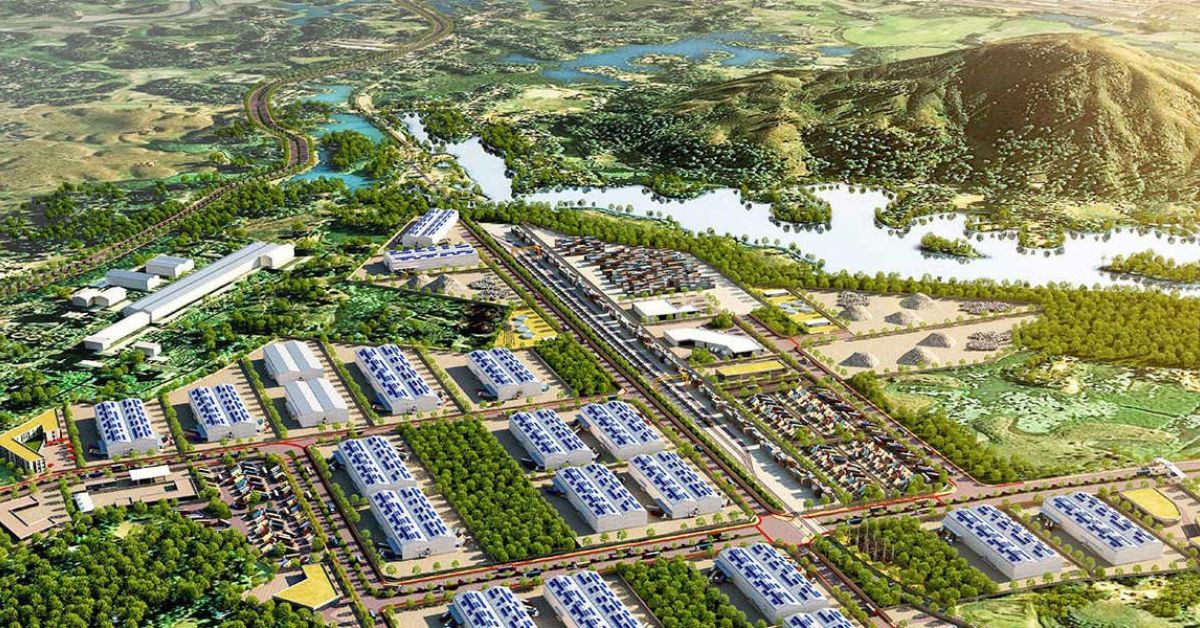
Chennai’s logistics infrastructure is set for a significant upgrade as the first phase of a large multi modal logistics park on the city’s outskirts approaches completion, with operations expected to begin shortly.
The development is poised to streamline freight movement across southern India, strengthening supply chains while reshaping how goods move between ports, industrial clusters and urban markets.The project integrates road, rail and warehousing infrastructure within a single hub, enabling seamless cargo transfers across transport modes. Urban planners view such facilities as critical to reducing congestion within city limits by shifting heavy freight activity to peripheral zones. For Chennai, where port-linked traffic often strains urban roads, this transition could ease pressure on inner-city mobility while improving delivery timelines.Officials associated with the project indicate that the initial phase will include core infrastructure such as container handling yards, storage facilities and connectivity to major transport corridors. The long-term plan envisions a fully integrated logistics ecosystem, supporting both domestic distribution and export-oriented industries. This is expected to enhance Chennai’s competitiveness as a trade gateway, particularly for manufacturing sectors clustered across Tamil Nadu.The Chennai multi modal logistics park also reflects a broader shift in India’s logistics strategy towards efficiency and sustainability. By enabling bulk movement through rail and optimised routing, such hubs can reduce fuel consumption and lower emissions linked to freight transport.
Industry experts suggest that multi modal integration is essential for achieving cost-effective logistics while aligning with national climate goals.From a real estate perspective, the project is likely to trigger demand for industrial and warehousing assets in surrounding regions. Logistics parks typically catalyse the development of ancillary services, including cold storage, packaging and last-mile distribution centres. This expansion can generate employment opportunities across a wide spectrum, from skilled operations to support services, contributing to more inclusive urban economic growth.However, the success of the Chennai multi modal logistics park will depend on sustained coordination between infrastructure agencies, private operators and urban authorities. Connectivity to highways and rail networks must remain efficient, while land-use planning around the site will need to balance industrial expansion with environmental considerations. Experts emphasise that integrating green logistics practices—such as energy-efficient warehousing and cleaner transport options—will be key to ensuring long-term viability.As India’s logistics sector continues to modernise, Chennai’s emerging role as a multi modal hub underscores the importance of integrated infrastructure in shaping future-ready cities.
The operationalisation of the first phase marks an important step, but its broader impact will unfold as additional phases come online and the ecosystem matures. For businesses and urban residents alike, the project signals a shift towards faster, cleaner and more organised freight movement across the region.
Also Read:Tamil Nadu Tyre Industry Moves Up Value Chain
