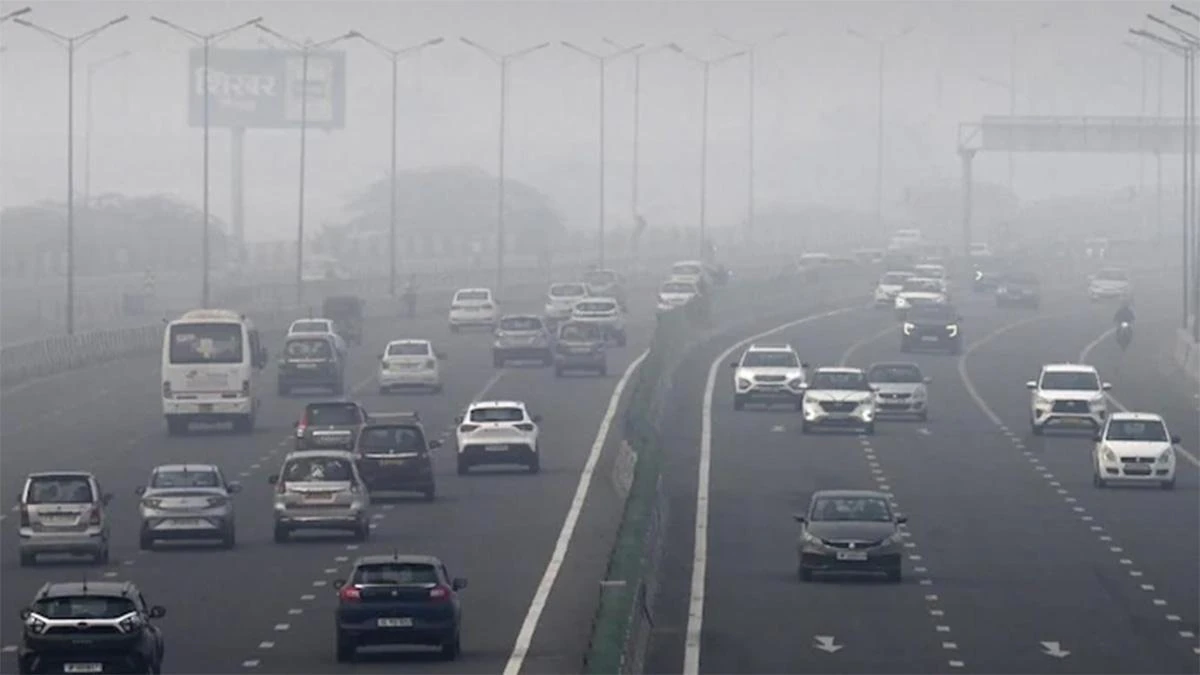
The Commission for Air Quality Management (CAQM) has revoked Stage-I restrictions under the Graded Response Action Plan (GRAP) across Delhi and the wider National Capital Region (NCR), citing a sustained improvement in air quality. The move comes as the Air Quality Index (AQI) in the capital registered 119 on Monday afternoon, falling within the ‘moderate’ category and reflecting better atmospheric conditions after weeks of elevated pollution levels. While the immediate lifting of restrictions signals temporary relief for residents and businesses, experts emphasise that the underlying drivers of air pollution in Delhi-NCR, including vehicular emissions, industrial activity, and construction dust, remain active. Officials note that Stage-I revocation allows the region to resume certain activities previously restricted, but vigilance and continued mitigation measures are essential to prevent a rapid regression to unhealthy air quality levels.
GRAP, developed over several years with scientific analysis and stakeholder consultations, serves as a structured, emergency response framework for the NCR. It triggers tiered interventions—from public advisories to construction curbs—based on average AQI readings and meteorological forecasts. Analysts highlight that such regulatory mechanisms are critical for safeguarding public health and maintaining economic continuity during periods of poor air quality, particularly in densely populated urban corridors like Delhi. The Commission has stressed the importance of sustaining the current improvement through targeted Information, Education, and Communication (IEC) campaigns. Agencies are urged to focus on behaviour change interventions aimed at key pollution sources, including vehicles, industrial emissions, biomass burning, and construction dust. Multi-channel outreach, involving print, electronic, digital platforms, and direct engagement with resident associations, farmers’ groups, and transport unions, is recommended to enhance public participation and long-term compliance.
Urban planners and environmental experts note that seasonal pollution episodes in Delhi are increasingly predictable but require adaptive, year-round strategies rather than temporary, reactive measures. The emphasis on IEC and regional collaboration underlines a shift from short-term enforcement to institutionalising sustainable behavioural practices, which can reduce peak pollution levels and foster community resilience. For residents and businesses, the revocation of Stage-I measures provides immediate operational and mobility relief. However, authorities caution that air quality can deteriorate rapidly under changing meteorological conditions, and adherence to dust mitigation, emissions control, and other preventive measures remains critical. The situation reinforces the need for continuous monitoring, proactive urban planning, and climate-resilient infrastructure to manage environmental health risks in megacities like Delhi.
Looking ahead, continued alignment of policy, scientific monitoring, and public engagement will determine the city’s capacity to maintain moderate air quality and prevent repeated episodes of hazardous pollution, supporting both human health and economic activity across the NCR.