


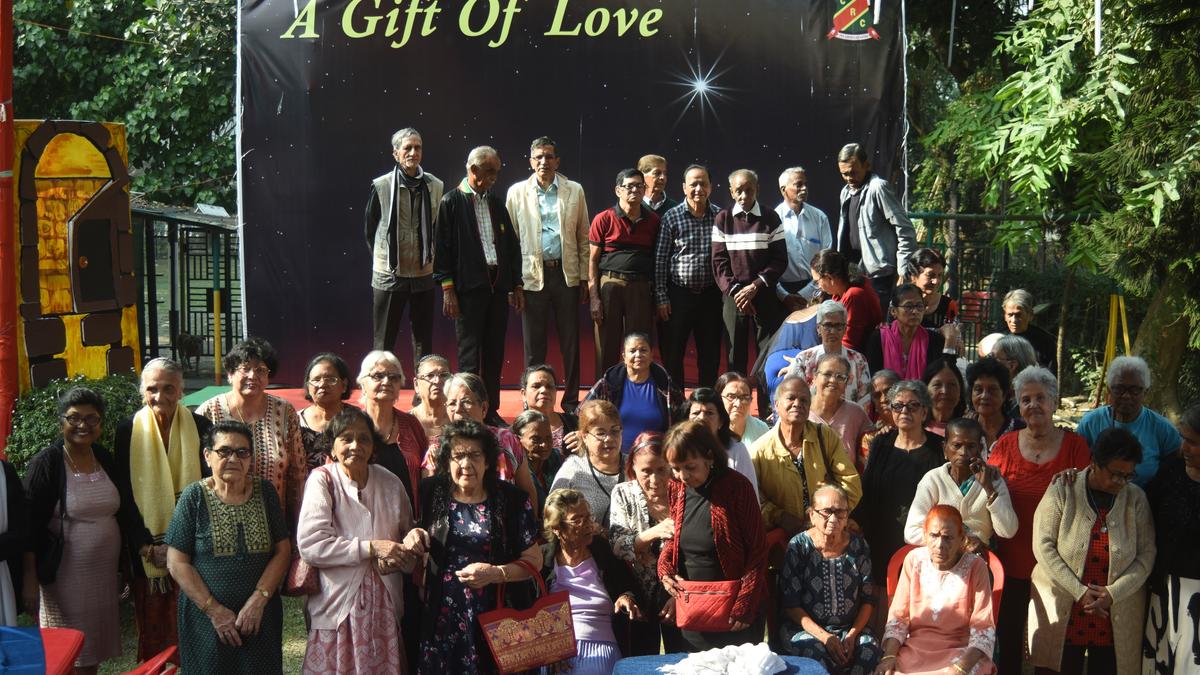
Educational institutions across Kolkata recently marked Founders Day celebrations, bringing together students, educators, and local communities in events that blended tradition with civic engagement.
While rooted in institutional heritage, these gatherings also highlight the evolving role of schools as social anchors within dense urban neighbourhoods.From early morning assemblies to cultural programmes and community outreach, the observances extended beyond ceremonial routines. Urban planners note that such events reflect how educational campuses increasingly function as shared civic spaces, particularly in cities where access to public cultural infrastructure remains uneven.In Kolkata, where historic schools are often embedded within older residential districts, Founders Day celebrations take on added significance. They not only reinforce institutional identity but also create opportunities for intergenerational interaction. Parents, alumni, and neighbourhood residents frequently participate, turning campuses into temporary hubs of social cohesion.Experts suggest that these engagements play a subtle yet important role in strengthening community networks. In rapidly changing urban environments, where migration and redevelopment can fragment traditional ties, schools provide continuity. Events like these help sustain a sense of belonging while fostering inclusive participation across socio-economic groups.The broader urban implication lies in how educational infrastructure contributes to liveability. Beyond classrooms, schools can support cultural life, encourage local participation, and serve as venues for collective experiences.
This aligns with emerging planning approaches that emphasise multi-functional use of built spaces, particularly in land-constrained cities.There is also an economic dimension. Local vendors, small businesses, and service providers often benefit from increased footfall during such events. While modest in scale, these activities contribute to neighbourhood-level economic circulation, reinforcing the link between social infrastructure and micro-economies.At the same time, experts point out that the potential of such spaces remains underutilised. Many schools operate within regulatory frameworks that limit broader public access outside formal events. Urban development specialists argue that rethinking these boundaries—while maintaining safety and operational requirements—could unlock new possibilities for community use.The emphasis on cultural and civic engagement within Founders Day celebrations also reflects changing expectations from education systems. Beyond academic outcomes, there is growing recognition of the role institutions play in shaping social awareness, environmental responsibility, and civic participation among students.For cities like Kolkata, where heritage and modernity intersect, these events offer a glimpse into how traditional practices can adapt to contemporary urban needs. They demonstrate that even routine institutional observances can contribute to building more connected and resilient communities.
As urban India continues to grapple with questions of inclusivity and space, the role of schools as community anchors may become increasingly important. Strengthening these connections—through both policy support and local initiative—could help cities create more people-centred environments that extend beyond physical infrastructure.
Also Read:Bengaluru PG sector faces critical LPG shortage
