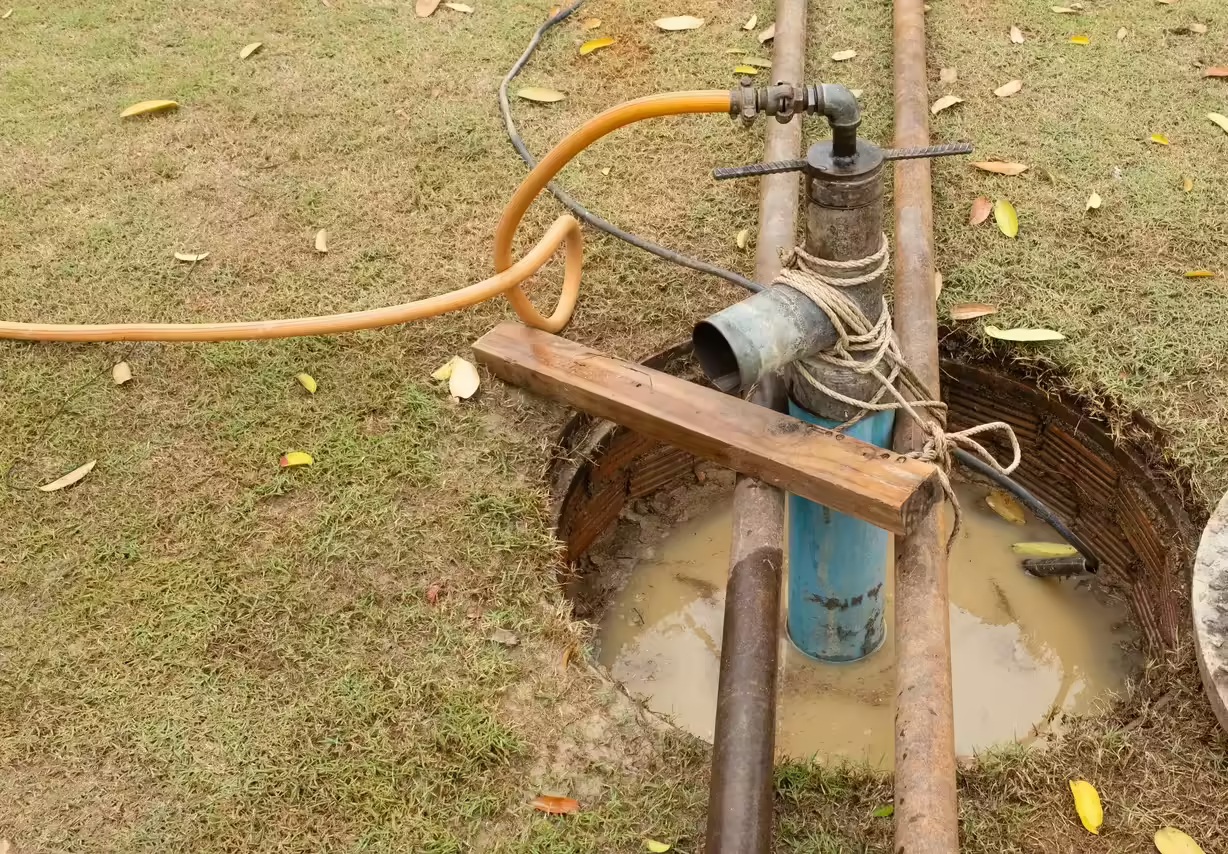
The Municipal Corporation of Delhi (MCD) has initiated a city-wide programme to repair and maintain borewells that supply water to public parks, aiming to secure uninterrupted irrigation during the upcoming summer season. With around 3,500 borewells under the horticulture department, the initiative is critical for sustaining greenery across more than 15,200 parks, particularly in areas with limited piped water access. Urban planners note that in many parts of the city, single borewells feed multiple parks through interconnected pipelines. Where borewell access is unavailable, parks rely on approximately 32 civic-operated water tankers. Officials indicate that pre-emptive maintenance is being prioritised to prevent last-minute disruptions and ensure that green spaces remain functional and aesthetically maintained during peak heat months.
The MCD has begun releasing funds to its electrical department in a phased, zone-wise manner for borewell repairs, with West and Civil Lines zones already receiving allocations. The ongoing tendering process is expected to conclude within the current budget cycle, ensuring that all borewell systems are operational before summer demand peaks. A senior horticulture official explained that inspections will focus on critical components such as pumps, motors, and pipelines. Damaged or non-functional equipment will be repaired or replaced to maintain operational efficiency. Experts in urban water management emphasise that early maintenance reduces the likelihood of sudden failures, which can disrupt irrigation schedules and compromise park health, particularly in a densely built metropolis like Delhi. This step addresses challenges faced in the previous year, when deferred maintenance—largely due to budget constraints—resulted in water shortages across several parks.
Residents had reported dry patches, wilting vegetation, and insufficient tanker support, highlighting the vulnerability of Delhi’s urban green infrastructure to seasonal stress. Alongside immediate repairs, the civic body is exploring long-term measures to reduce reliance on groundwater. Discussions are ongoing regarding the integration of treated wastewater for irrigation and strategies to optimise water use efficiency across parks. Urban development analysts note that diversifying water sources is crucial for resilient and sustainable park management, particularly in water-stressed cities facing climate variability.
With peak summer months approaching, the MCD’s borewell repair programme represents a proactive approach to urban green space management. Ensuring reliable water supply to parks not only preserves city aesthetics but also supports public health, urban biodiversity, and microclimate regulation. The initiative reflects growing attention to sustainable urban infrastructure, balancing immediate operational needs with long-term climate-resilient strategies.