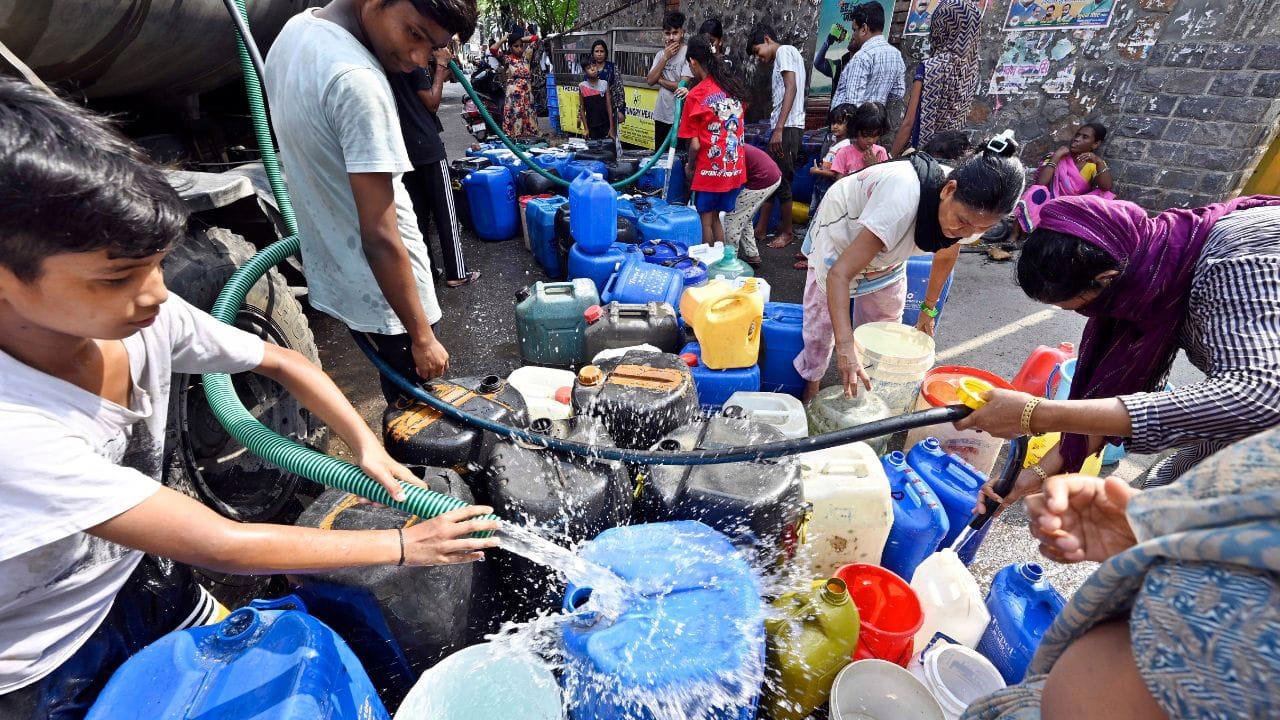
Delhi NDMC Water Supply Disrupted After Pipeline Burst
A major water supply disruption has hit several high-demand zones in Delhi following a pipeline burst at the Chandrawal Water Treatment Plant, affecting residential, institutional, and government areas under the New Delhi Municipal Council (NDMC) jurisdiction. Officials indicate that repair operations are expected to take three days, with the disruption directly impacting key reservoirs and supply networks. NDMC sources report that water sourced from the Chandrawal plant will remain restricted during this period, affecting multiple command areas, including Type-I Quarters at PK Road, DIZ Area, Valmiki Basti, Palika Kendra, Connaught Place, and several government residential colonies. Institutional and diplomatic zones such as Parliament House, Delhi Police Headquarters, RML Hospital, Sarojini Nagar, South Avenue, and the Diplomatic Enclave may experience intermittent or reduced water pressure, particularly during peak evening hours.
Urban infrastructure analysts note that pipeline failures at major treatment plants have cascading effects on water availability in densely populated districts. A senior NDMC official explained that while repair teams are deploying round-the-clock efforts, the age and scale of the network make restoration a complex task requiring careful pressure management and phased reactivation of affected lines. To mitigate the impact on citizens, NDMC has mobilised water tankers across critical zones and established control rooms for resident assistance. Authorities have urged the public to adopt water conservation practices during the repair period, highlighting the importance of demand management in urban water resilience. Experts emphasise that proactive communication and temporary mitigation measures can significantly reduce disruption risks in large metropolitan water systems. This incident also underscores structural vulnerabilities in Delhi’s urban water infrastructure.
Industry observers point out that treatment plants and distribution networks in older parts of the capital often face wear-and-tear, creating risks of sudden service interruptions. Regular maintenance, pipeline monitoring, and investment in modern replacement technologies are considered essential to reduce future operational risks and enhance service reliability. NDMC and Delhi Jal Board (DJB) officials are coordinating to ensure that repairs are completed efficiently while restoring supply to high-priority zones first. Urban planners note that such integrated response mechanisms are vital for cities with mixed-use zones that include commercial, residential, and institutional facilities. Minimising downtime while safeguarding water quality remains the top priority for authorities managing metropolitan utility services.
Once the repairs are completed, the pipeline restoration is expected to stabilise supply to affected NDMC sectors. The episode serves as a reminder of the critical need for infrastructure modernisation, preventive maintenance, and urban water management strategies that can withstand operational stresses in India’s rapidly growing cities.