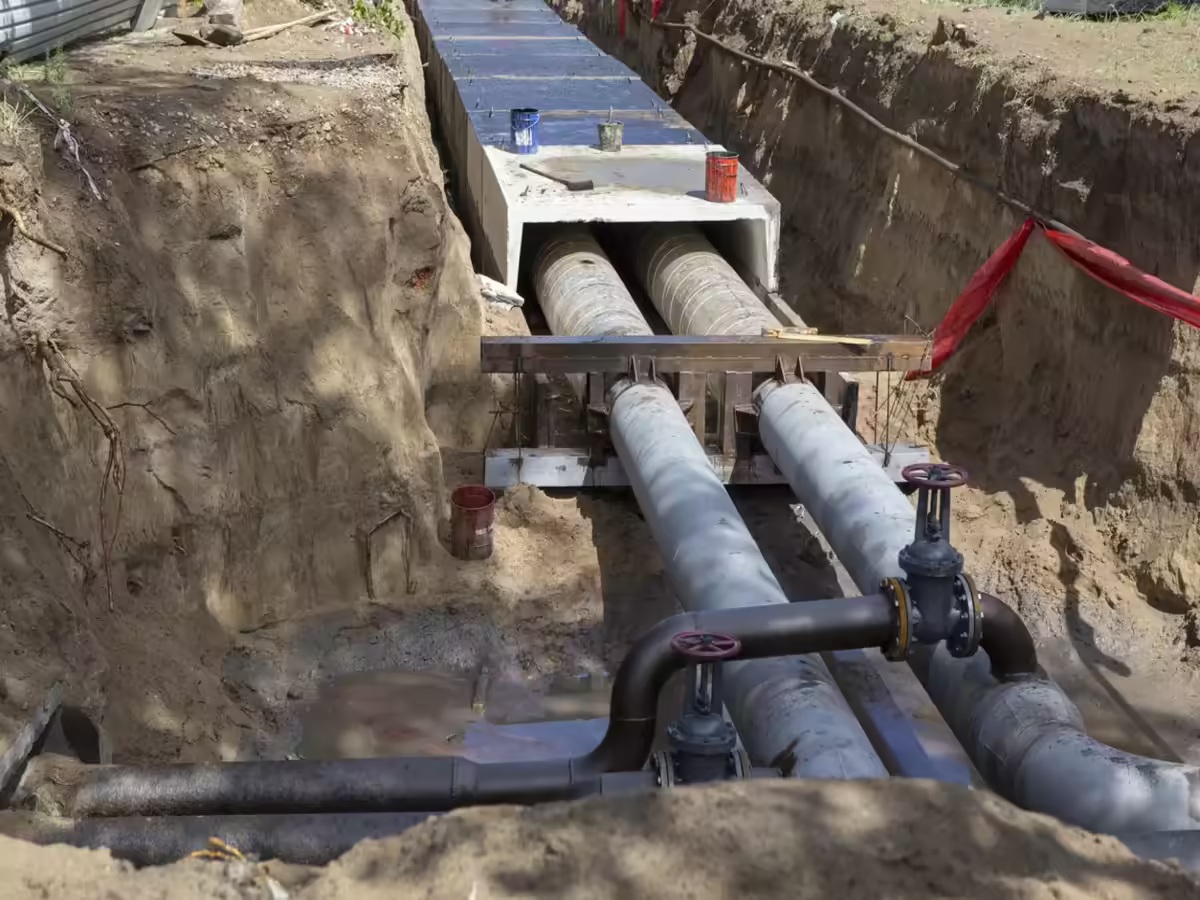
A major sewer line replacement project in Janakpuri’s A-1 Block is progressing towards completion, aimed at resolving persistent drinking water contamination in the area. Officials report that around 450 metres of the total 1,140-metre sewer pipeline have been replaced, marking approximately 40% progress. Authorities have set an April 30 deadline for finishing the remaining work, signalling a critical step in improving public health and urban sanitation infrastructure. The intervention follows repeated complaints from local residents regarding polluted water, including foul odours, discolouration, and bacterial contamination. Investigations commissioned by environmental regulators confirmed the presence of coliform bacteria and E.
coli in multiple samples, highlighting a structural problem in the ageing sewer network that allowed leakage and cross-contamination with drinking water pipelines. Urban infrastructure experts note that such contamination is a recurring challenge in densely populated neighbourhoods with outdated underground utilities. A senior official from the water management authority said the replacement work focuses on removing deteriorated sewer sections and installing modern pipelines designed to prevent further cross-contamination. This upgrade not only addresses immediate health risks but also strengthens the city’s resilience against waterborne diseases and service disruptions. Progress on the project had slowed in recent months due to restrictions under Stage III and Stage IV of the Graded Response Action Plan (GRAP), which limits construction activities during periods of high air pollution. To counter these delays, the agency has deployed additional machinery and increased manpower to accelerate completion. Industry analysts emphasise that adaptive project management in response to environmental constraints is essential for urban infrastructure delivery, particularly in megacities facing multiple overlapping challenges.
Residents’ welfare associations had previously petitioned the National Green Tribunal, prompting detailed inspections and oversight. The tribunal’s involvement underscores the importance of regulatory scrutiny in maintaining water quality and ensuring timely corrective measures. Experts say that integrating such legal and civic oversight into urban utility management can improve accountability and operational transparency, leading to better long-term outcomes for city dwellers. Once completed, the upgraded sewer lines are expected to substantially reduce the risk of contaminated drinking water entering households. Planners also anticipate broader benefits, including lower maintenance costs, fewer emergency repairs, and improved confidence among residents in public utilities. The project aligns with ongoing efforts to modernise Delhi’s underground water and sewer infrastructure, reflecting a shift toward resilient, sustainable urban utility networks capable of meeting the demands of a growing population.
For Janakpuri residents, the upcoming completion offers relief and a tangible improvement in living conditions, while also serving as a model for targeted infrastructure upgrades in other areas facing similar water contamination challenges.