India Gas Policy Push Accelerates Urban Energy Shift
India’s urban energy transition is gaining momentum as policymakers move to accelerate city gas distribution approvals while simultaneously easing supply constraints in the commercial LPG segment. The dual strategy, unfolding across major cities, reflects an effort to stabilise fuel access for businesses while nudging long-term adoption of cleaner, piped alternatives. At the centre of the push is a directive to fast-track regulatory clearances for city gas infrastructure. Applications related to pipelines and associated safety approvals are now expected to be processed within significantly shorter timelines, according to officials familiar with the development. This shift is aimed at removing bottlenecks that have historically slowed the expansion of piped natural gas (PNG) networks in dense urban areas.
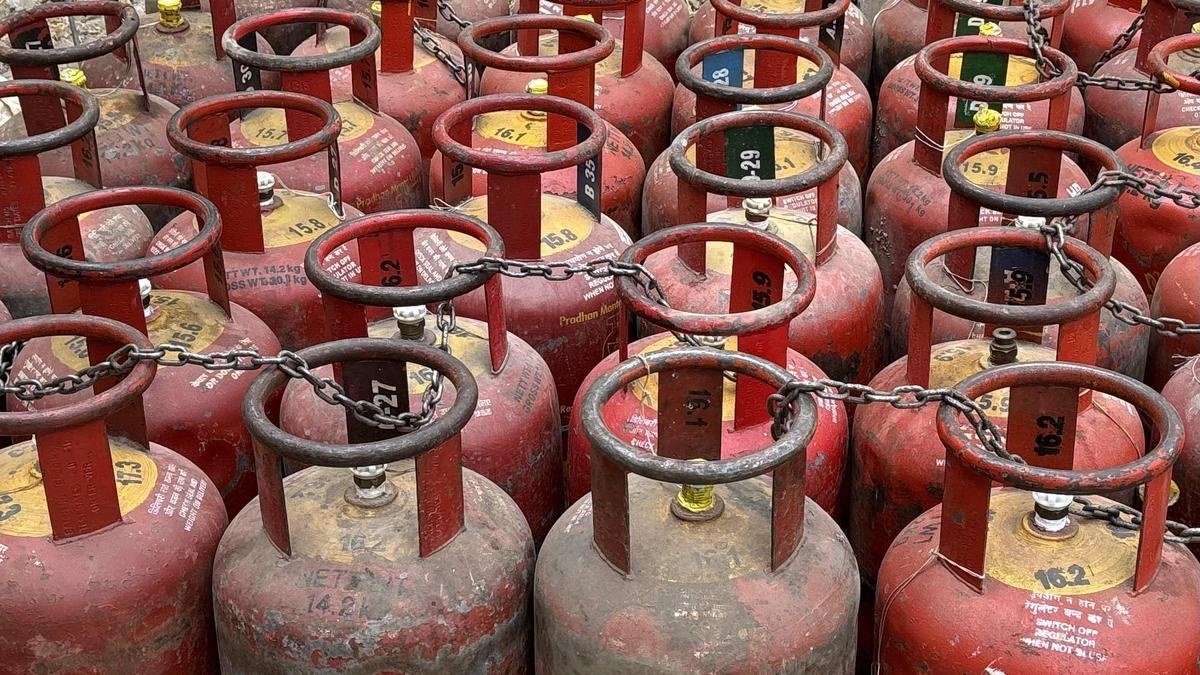
The urgency stems partly from global supply uncertainties that have placed pressure on conventional fuel systems. By strengthening city gas distribution, authorities are attempting to reduce reliance on cylinder-based fuels, which are more vulnerable to logistical disruptions. PNG, delivered through underground pipelines, offers a more stable and continuous supply, particularly for high-consumption users such as restaurants, hotels, and small industries. Alongside regulatory reforms, the government has increased the availability of commercial LPG in phases to support sectors facing immediate demand pressures. Food service establishments, industrial kitchens, and community feeding programmes have been among the primary beneficiaries of this enhanced allocation. Urban policy analysts note that such interim measures are essential to prevent economic disruption while infrastructure transitions are still underway. The recalibration of supply has also been designed to protect essential services. Hospitals and educational institutions continue to receive priority access to fuel, ensuring that critical operations remain unaffected.
At the same time, provisions for smaller LPG cylinders are being expanded to address the needs of migrant workers and informal sector users, reflecting a broader focus on equitable energy access. Energy experts view the coordinated approach as a balancing act between short-term resilience and long-term sustainability. While LPG remains a key component of India’s urban energy mix, the expansion of city gas distribution is expected to play a central role in reducing carbon intensity and improving air quality in cities. PNG combustion produces fewer emissions compared to traditional fuels, aligning with broader climate and public health goals. However, the transition is not without challenges. Expanding pipeline networks in already congested urban environments requires careful planning, coordination with local authorities, and minimal disruption to existing infrastructure. Financing and last-mile connectivity also remain critical factors influencing adoption rates.
Looking ahead, the success of this policy shift will depend on how quickly infrastructure rollout can match rising demand. If implemented effectively, the current measures could reshape urban energy consumption patterns—offering businesses more reliable fuel options while advancing the broader goal of cleaner, more resilient cities.