



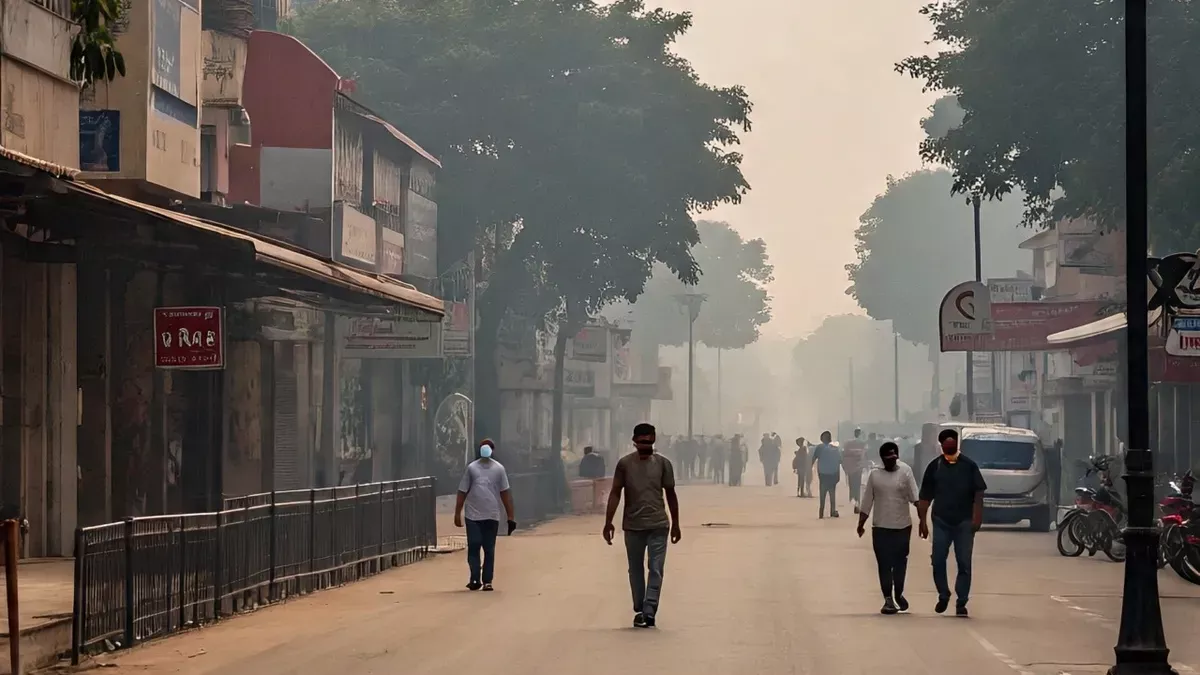
Bengaluru has recorded a modest but notable improvement in air quality over the past five years, with official data indicating a measurable dip in pollution levels between 2020 and 2025.
While the decline remains limited, it signals early progress in tackling Bengaluru air pollution, a persistent concern in one of India’s fastest-growing urban centres.The reduction is being attributed to a mix of factors, including tighter emission controls, increased adoption of cleaner fuels, and gradual shifts in mobility patterns. Urban planners note that pandemic-era restrictions initially led to a sharp but temporary drop in pollution, but subsequent trends suggest a more sustained, albeit slow, improvement.Despite this progress, experts caution that Bengaluru air pollution continues to exceed recommended safety thresholds on several days each year. Rapid urbanisation, rising vehicular traffic, and ongoing construction activity remain key contributors. The city’s expanding footprint has also increased reliance on private transport, offsetting gains made through cleaner technologies.From an infrastructure perspective, the data highlights the importance of integrated urban planning. Investments in public transport, including metro expansion and bus network improvements, are seen as critical to reducing emissions over the long term. Industry observers argue that without significant modal shifts, incremental improvements in air quality may plateau.The real estate sector is also beginning to respond to environmental concerns. Developers are increasingly incorporating green building practices, such as energy-efficient designs and improved ventilation systems, to mitigate the impact of urban pollution on residents.
However, experts suggest that these measures need to be complemented by city-wide interventions rather than isolated project-level solutions.Another factor influencing air quality trends is the regulation of industrial emissions and construction dust.Authorities have introduced guidelines aimed at controlling particulate matter from building sites, though enforcement remains uneven. Environmental specialists emphasise that consistent monitoring and compliance will be essential to sustain gains in Bengaluru air pollution reduction.The city’s experience reflects a broader challenge facing Indian metros: balancing economic growth with environmental sustainability. As Bengaluru continues to attract investment and population inflows, maintaining air quality improvements will require coordinated action across sectors, from transport and housing to energy and waste management.Public health considerations further underscore the urgency of addressing pollution. Even marginal improvements can translate into significant benefits in terms of reduced respiratory illnesses and improved quality of life, particularly for vulnerable populations such as children and the elderly.
Looking ahead, experts suggest that the next phase of progress will depend on scaling up clean mobility solutions, strengthening urban governance, and embedding climate resilience into planning decisions. While the recent decline offers cautious optimism, the path to consistently safe air quality in Bengaluru remains a long-term endeavour requiring sustained policy focus and citizen engagement.
Also Read:Bengaluru Migrant Children Education Model Gains Attention
