


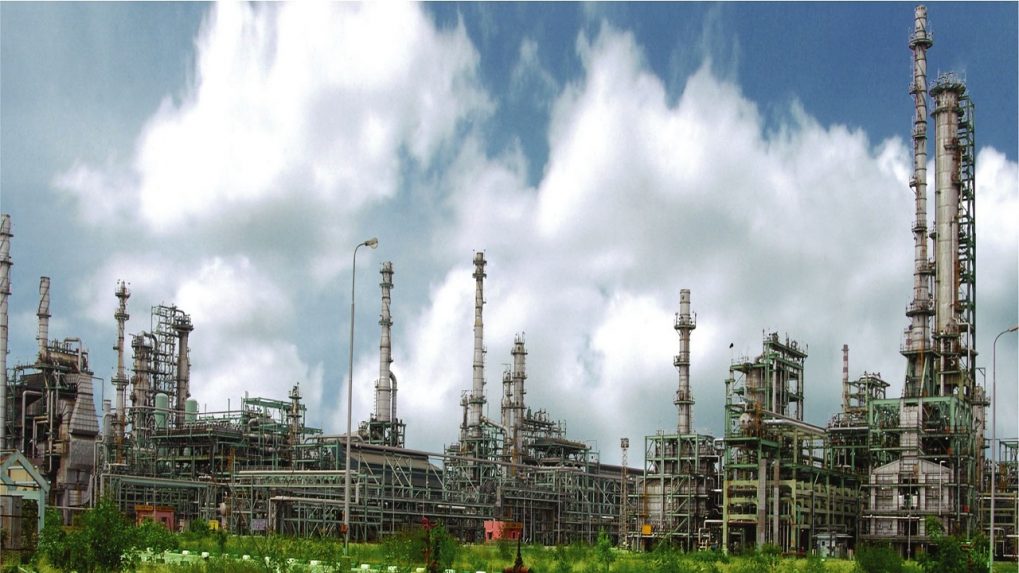
Chennai’s industrial and energy ecosystem is drawing renewed market attention as one of its key refinery operators registers strong investor sentiment, signalling broader confidence in the city’s role within India’s evolving energy transition and urban economy.
Market analysts tracking the company indicate a positive outlook driven by operational performance, refining margins and strategic positioning within southern India’s fuel supply chain. The development comes at a time when Chennai is balancing industrial growth with increasing pressure to transition towards cleaner, more efficient urban energy systems.Industry experts note that refineries located near major urban centres like Chennai play a dual role — ensuring fuel security for transport, logistics and construction sectors, while also facing scrutiny over emissions and environmental impact. As a coastal industrial hub, the city remains critical to petroleum refining, storage and distribution networks that serve both domestic consumption and export markets.The recent market momentum around refinery-linked stocks reflects expectations of stable demand for petroleum products, particularly as infrastructure expansion and mobility needs continue to grow. At the same time, volatility in global crude prices and regulatory shifts are pushing companies to diversify operations, invest in efficiency upgrades and explore low-carbon alternatives.Urban planners and sustainability experts argue that such developments must be viewed through a long-term lens. Chennai’s industrial growth corridors, including its refinery zones, are closely linked to employment generation and regional economic stability.
However, these gains are increasingly being weighed against environmental considerations such as air quality, coastal ecosystem protection and climate resilience.A senior industry observer suggests that investor confidence often signals expectations of operational resilience, but also raises questions about how legacy energy infrastructure will adapt to future policy frameworks focused on decarbonisation. In cities like Chennai, where urban expansion intersects with industrial clusters, the transition pathway is expected to be gradual rather than abrupt.From a real estate and urban development perspective, the performance of large industrial players can influence land values, logistics infrastructure and housing demand in surrounding regions. Industrial growth tends to catalyse ancillary sectors, including warehousing, transport and workforce housing, shaping the spatial evolution of the city.At the same time, policymakers are under pressure to ensure that industrial expansion aligns with sustainable urban planning principles. This includes integrating cleaner technologies, improving emissions monitoring and strengthening infrastructure resilience against climate risks such as flooding and rising sea levels.
Looking ahead, Chennai’s energy sector is likely to remain a focal point for both investors and policymakers. The challenge will lie in maintaining economic momentum while steering the transition towards cleaner, more inclusive and climate-aligned urban growth pathways.
Also Read:Chennai Metro Extension Delay Impacts Urban Connectivity
