


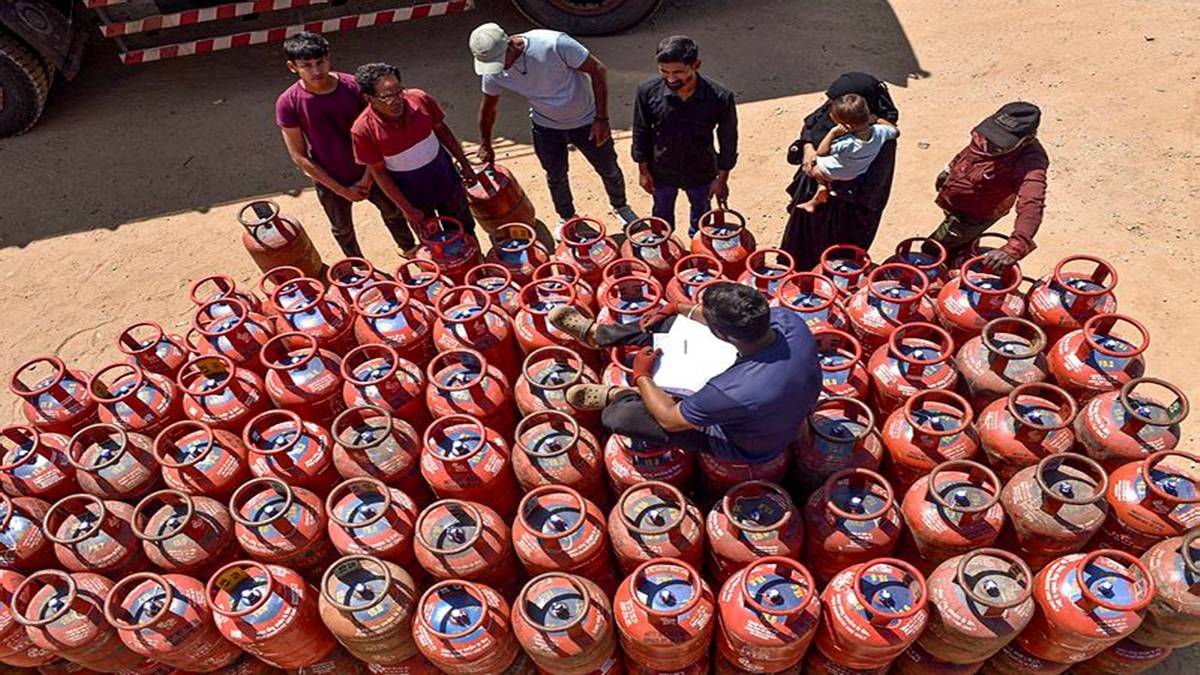
The latest movement in Chennai LPG prices is placing renewed focus on the cost of urban living, as households and businesses across the city adjust to evolving domestic and commercial cylinder rates.
In a city where LPG remains a primary cooking fuel for a large share of residents, price changes directly affect monthly household expenditure. Despite gradual expansion of piped natural gas networks in select areas, coverage remains limited, making LPG cylinders the default energy source for most residential neighbourhoods. As a result, even modest revisions in pricing can influence consumption patterns and savings behaviour.For commercial establishments, the implications are more immediate. Restaurants, catering services and small food businesses—integral to Chennai’s informal and formal economy—depend heavily on commercial LPG cylinders. Fluctuations in Chennai LPG prices can lead to increased operational costs, which are often passed on to customers, contributing to rising food prices in local markets.Industry observers indicate that while global fuel trends and exchange rates play a role in determining LPG costs, local demand patterns and distribution logistics also shape price sensitivity in cities like Chennai. High population density and strong reliance on cylinder-based fuel systems amplify the impact of pricing shifts across different income groups.
From an urban development standpoint, the pricing environment highlights the ongoing transition challenges in city energy systems. Policymakers have been promoting cleaner and more efficient alternatives, including electric cooking and piped gas infrastructure. However, uneven access and upfront investment requirements mean that LPG continues to dominate the urban cooking energy mix.Urban planners point out that affordability remains central to inclusive city growth.Lower-income households, particularly in rental housing and informal settlements, allocate a significant portion of their income to essential utilities, including cooking fuel. Sustained increases in LPG prices could strain these households, affecting overall quality of life and economic resilience.There are also implications for real estate development. New residential projects increasingly consider energy infrastructure as a selling point, with provisions for piped gas or electric kitchens becoming more common in premium segments. However, for much of the city, reliance on LPG cylinders persists, underscoring the need for broader infrastructure expansion.Experts suggest that diversifying urban energy sources will be key to reducing dependence on a single fuel type. Strengthening last-mile connectivity for alternative energy systems, encouraging energy-efficient appliances and integrating renewable energy solutions could help Chennai build a more resilient and sustainable urban energy framework.
As the city continues to grow, the trajectory of LPG pricing will remain a critical factor influencing both household affordability and business viability. Managing this balance effectively will be essential to ensuring that Chennai’s urban development remains both inclusive and economically stable.
Also Read:Chennai Airport Plaza Delay Impacts Urban Connectivity
