


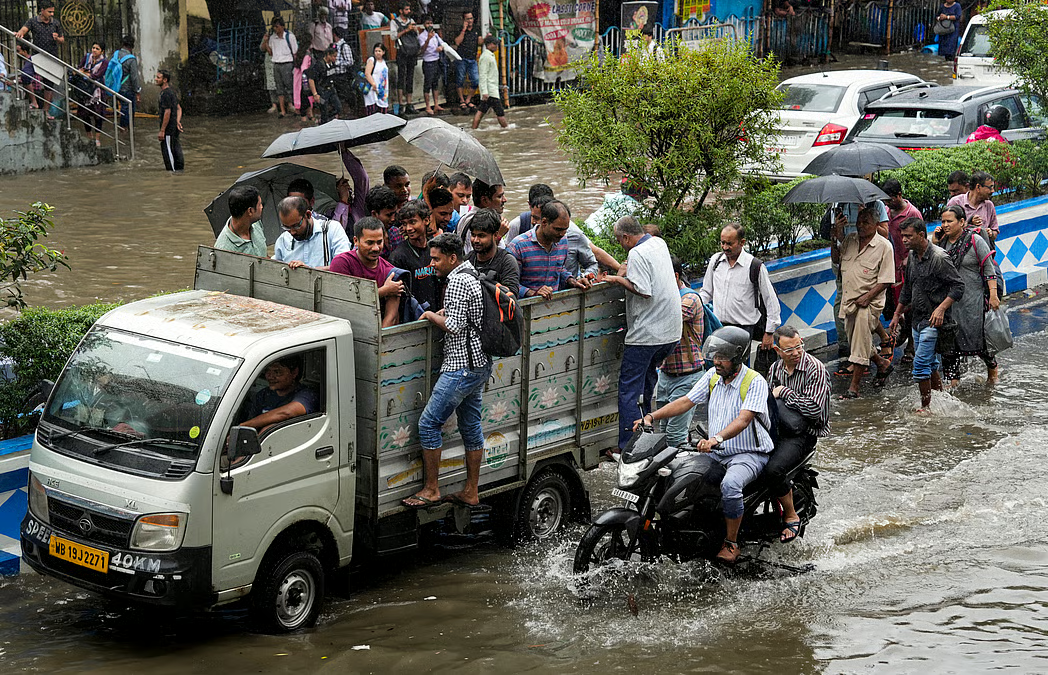
Civic authorities in Kolkata have intensified Kolkata drainage preparedness measures, activating pumping stations and deploying sewer maintenance teams across vulnerable zones as the city braces for potential pre-monsoon rainfall.
Officials overseeing urban services confirmed that multiple pumping units have been placed on standby while field crews have been mobilised to clear blocked drains and inspect critical outfall channels. The move comes amid forecasts of intermittent showers, which often expose long-standing weaknesses in the city’s ageing drainage network.Kolkata’s low-lying geography and dense urban fabric make it particularly susceptible to waterlogging, even after moderate rainfall. Over the years, the city has relied on an extensive but ageing system of canals, underground sewers and pumping stations to manage stormwater. While incremental upgrades have been undertaken, gaps in capacity and maintenance continue to pose risks during peak rainfall events.A senior civic official indicated that the current focus is on preventive action rather than emergency response. Teams have been tasked with identifying choke points, removing silt accumulation and ensuring that mechanical pumps are fully operational. Special attention is being given to high-density residential areas and commercial corridors where waterlogging can disrupt daily life and economic activity.Urban planners point out that Kolkata drainage preparedness is not only a seasonal concern but a structural challenge linked to land use, encroachment and climate variability.
Rapid urbanisation has reduced natural drainage channels and increased impermeable surfaces, limiting the city’s ability to absorb rainwater.As a result, even short bursts of rainfall can overwhelm existing infrastructure.The implications extend beyond inconvenience. Waterlogging can slow traffic movement, delay goods transportation and affect small businesses dependent on footfall. In severe cases, prolonged flooding can damage property, disrupt utilities and create public health risks due to contaminated water.From an infrastructure perspective, the current mobilisation highlights the importance of integrating drainage planning into broader urban development strategies. Experts suggest that investments in smart drainage systems, real-time monitoring and decentralised water retention solutions could significantly improve resilience. Green infrastructure—such as permeable pavements, urban wetlands and rainwater harvesting—can also complement traditional engineering approaches.There is also growing recognition that climate patterns are becoming less predictable, making early preparedness critical. Strengthening coordination between weather agencies and civic bodies can help cities respond more effectively to sudden rainfall events.
As Kolkata moves into a more weather-sensitive period, the emphasis on proactive maintenance and system readiness may help mitigate immediate risks. However, long-term resilience will depend on sustained investment, planning reforms and a shift towards climate-responsive urban infrastructure that can support both growth and environmental stability.
Also Read:Kolkata Supply Disruption Raises Urban Logistics Concerns
