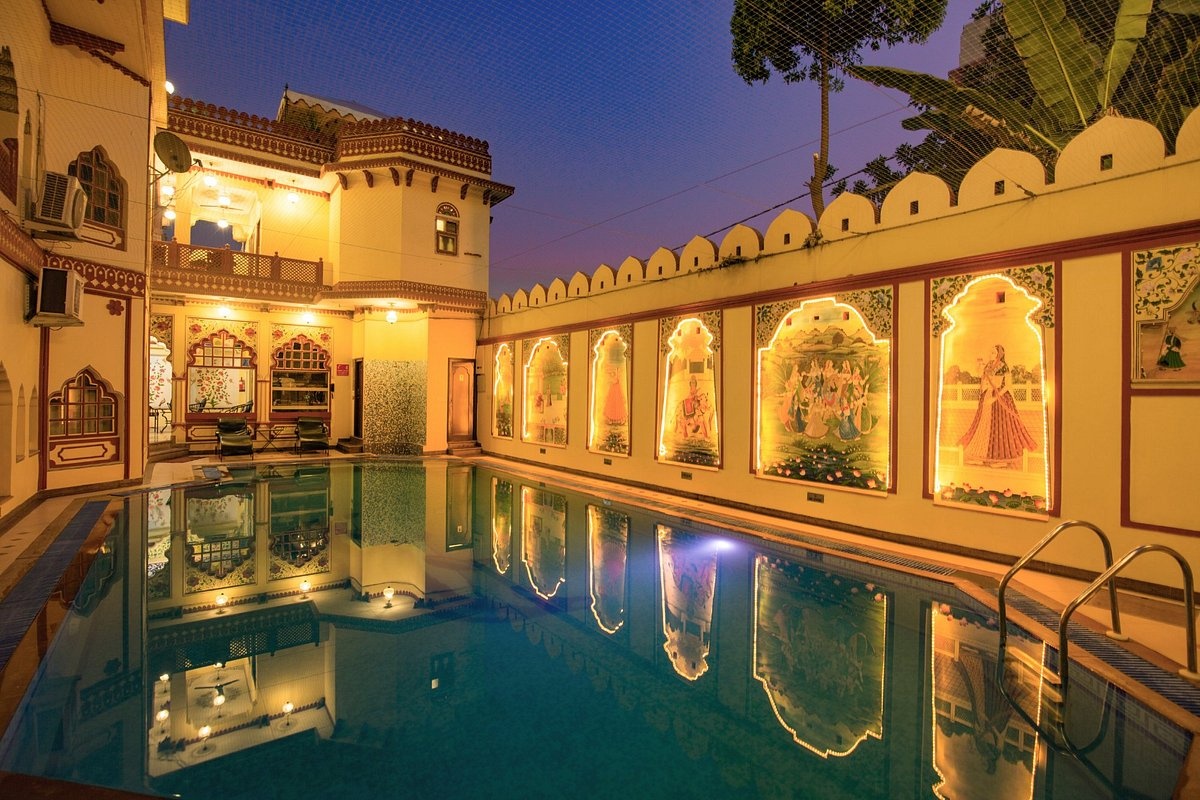
In Jaipur and surrounding heritage clusters, historic properties are increasingly leveraging the Gangaur festival to strengthen tourism demand while sustaining conservation-led business models. The shift reflects a broader trend in heritage tourism, where cultural programming is being positioned as both an economic driver and a tool for preserving built heritage. Across regions such as Shahpura, Mandawa and Pachar, restored forts and havelis have turned seasonal festivities into curated visitor experiences. These properties, many operating as adaptive reuse hospitality assets, are integrating traditional rituals, craft demonstrations and local cuisine into structured itineraries aimed largely at international travellers. Industry observers note that this approach is helping diversify revenue streams beyond conventional leisure stays.
Hospitality operators indicate that Gangaur tourism has become a strategic offering within Rajasthan’s tourism calendar. By aligning cultural celebrations with experiential travel, heritage hotels are attracting visitors seeking immersive engagement rather than passive sightseeing. A senior executive at a heritage hospitality group said such initiatives help maintain the relevance of historic assets while supporting ongoing restoration work. Revenue generated during peak festival periods is often reinvested into the upkeep of heritage structures, including fresco restoration, courtyard stabilisation and architectural conservation. This model is increasingly seen as critical in regions where public funding for preservation remains limited. Urban planners highlight that private sector participation in heritage conservation can reduce pressure on civic bodies while ensuring that cultural assets remain economically viable. At the same time, the Gangaur tourism model is also creating linkages with local economies. Artisans, folk performers and small-scale food producers are being integrated into the hospitality value chain, providing income opportunities in semi-urban and rural areas. Experts point out that such collaborations can help sustain intangible cultural practices that are otherwise at risk of decline.
However, there are emerging concerns around the scalability and inclusivity of this approach. Some urban development specialists caution that excessive commercialisation of festivals could risk diluting cultural authenticity if not managed carefully. There is also a need to ensure that tourism-led growth benefits surrounding communities equitably, rather than remaining confined to high-end hospitality enclaves. From a built environment perspective, the trend underscores the evolving role of heritage assets within India’s urban economy. Adaptive reuse of historic buildings into hotels not only preserves architectural identity but also reduces the carbon footprint associated with new construction. By extending the lifecycle of existing structures, such models align with broader climate-resilient urban development goals.
Looking ahead, stakeholders suggest that policy frameworks supporting heritage tourism must balance conservation, community participation and sustainable infrastructure planning. As Gangaur tourism gains traction, its long-term success will depend on how effectively cities integrate cultural heritage into inclusive and environmentally responsible growth strategies.