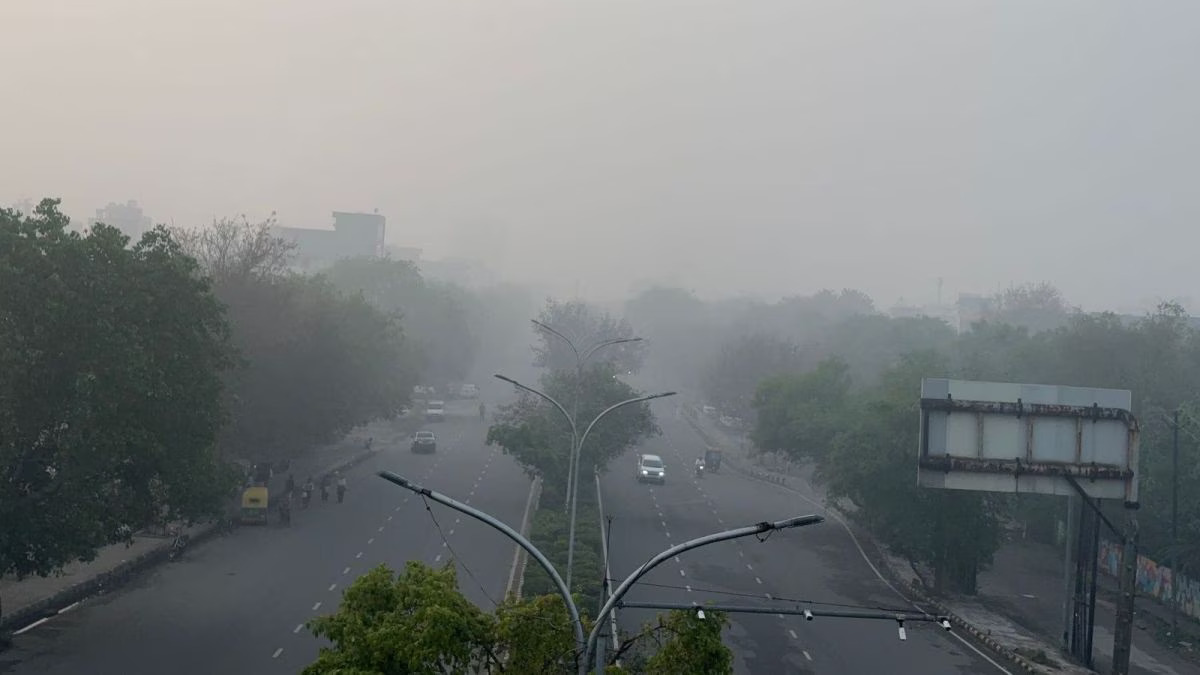
An unseasonal dip in temperatures and the return of dense morning fog have unsettled late-March conditions in Delhi, prompting fresh alerts from India Meteorological Department over another incoming rain spell. The unusual weather pattern is drawing attention not only for its immediate disruption but also for what it signals about increasing variability in urban climate behaviour. Over the weekend, the city recorded conditions more typical of late winter, with early morning visibility dropping sharply and minimum temperatures falling well below seasonal averages. Meteorologists attribute the phenomenon to a combination of recent rainfall, residual atmospheric moisture and rapid night-time cooling. When skies cleared after prolonged cloud cover, heat escaped quickly from the surface, allowing moisture-laden air to condense and form fog — a short-lived but striking deviation for this time of year.
Forecast models indicate that this instability is likely to persist in the near term. Cloud cover is expected to dominate early in the week, with light rainfall and thunderstorms possible before conditions gradually stabilise. Temperatures, currently lower than normal, are projected to rise steadily by midweek, narrowing the seasonal gap as solar radiation strengthens and cloud activity diminishes. For a city already grappling with climate extremes, such fluctuations are increasingly relevant. Urban planners note that erratic transitions between seasons can affect everything from public health and transport operations to energy demand and water management. Fog episodes, even brief ones, can disrupt aviation and road mobility, while sudden temperature swings place additional stress on vulnerable populations, particularly those without access to climate-resilient housing.
Experts suggest that these anomalies align with broader patterns of climate variability observed across northern India. Warmer winters, delayed seasonal shifts and erratic rainfall events are becoming more frequent, challenging traditional expectations of weather cycles. In dense urban environments like Delhi, these shifts are amplified by heat-retaining infrastructure, reduced green cover and high pollution levels, all of which influence microclimatic conditions. The evolving weather pattern also has implications for infrastructure planning. Drainage systems, air quality management and urban design strategies must increasingly account for unpredictable rainfall and temperature behaviour. Industry observers highlight that integrating climate-responsive design into housing and transport networks is no longer optional but essential for long-term urban resilience.
While the immediate forecast points to a return to more typical late-March warmth, the episode underscores a larger trend: seasonal boundaries are becoming less defined. As cities expand and climate pressures intensify, the need to align infrastructure, policy and daily life with these shifting patterns is likely to grow more urgent in the years ahead.