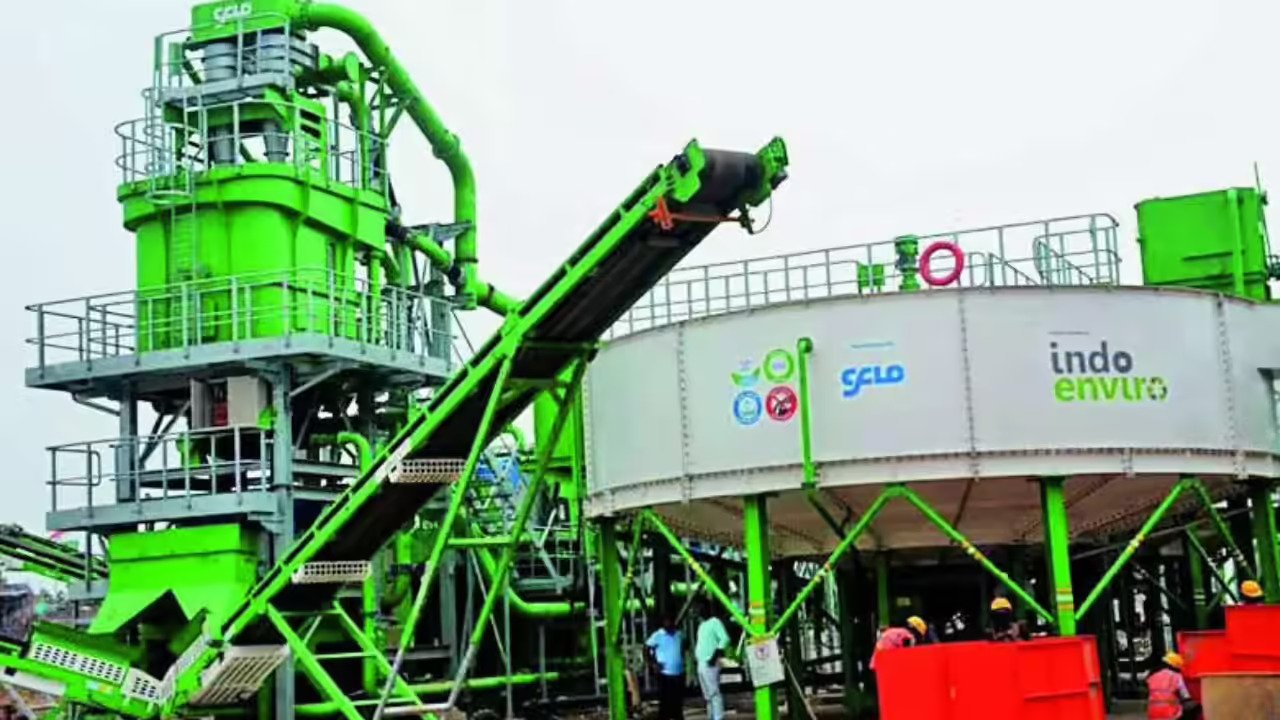
Delhi’s municipal authorities are advancing plans to expand the city’s construction and demolition waste management network, with a new processing facility in the Okhla area expected to become operational by late 2026. The move is aimed at narrowing a persistent gap between waste generation and recycling capacity, a challenge that has long affected urban cleanliness and air quality. The proposed facility is set to add roughly 1,000 metric tonnes per day to the city’s existing processing capability. At present, Delhi produces an estimated 7,000 metric tonnes of construction debris daily, while formal systems handle only a portion of this volume. The imbalance often results in unauthorised dumping, contributing to dust pollution and environmental degradation.
Urban planners say the expansion of C&D waste processing infrastructure is critical as the capital undergoes continuous redevelopment, including housing upgrades, road projects and commercial construction. Without adequate recycling systems, debris tends to accumulate in open spaces, drains and roadside areas, affecting both urban mobility and public health. Officials involved in the project indicate that the new plant will be part of a broader strategy to formalise waste flows across the city. This includes identifying designated collection points in each administrative ward and encouraging bulk waste generators—such as contractors and developers—to channel debris through authorised systems. Such measures are expected to reduce illegal dumping while improving traceability. A key component of the initiative is the promotion of recycled construction materials. Processed debris can be converted into aggregates, paving blocks and other building inputs, creating a secondary market that supports circular economy principles. Industry experts note that increased availability of recycled materials could lower input costs for certain segments of the construction sector, particularly in non-structural applications.
The scaling up of C&D waste processing also has implications for Delhi’s climate resilience strategy. Dust from unmanaged debris is a significant contributor to particulate pollution, especially during dry seasons. By diverting waste into controlled processing streams, the city can potentially reduce airborne pollutants while conserving natural resources that would otherwise be extracted for construction. From a real estate perspective, improved waste management infrastructure is becoming an increasingly relevant factor in project approvals and environmental compliance. Developers are under growing pressure to adopt sustainable construction practices, and access to recycling facilities can support adherence to regulatory norms. Officials suggest that, alongside capacity expansion, enforcement and behavioural change will be essential. Ensuring that contractors comply with disposal guidelines and that collection systems remain efficient will determine the long-term success of the initiative.
As Delhi continues to expand and renew its built environment, investments in C&D waste processing are emerging as a foundational requirement rather than a peripheral service. The effectiveness of the upcoming facility will likely influence how other fast-growing Indian cities approach construction waste, balancing development needs with environmental responsibility.