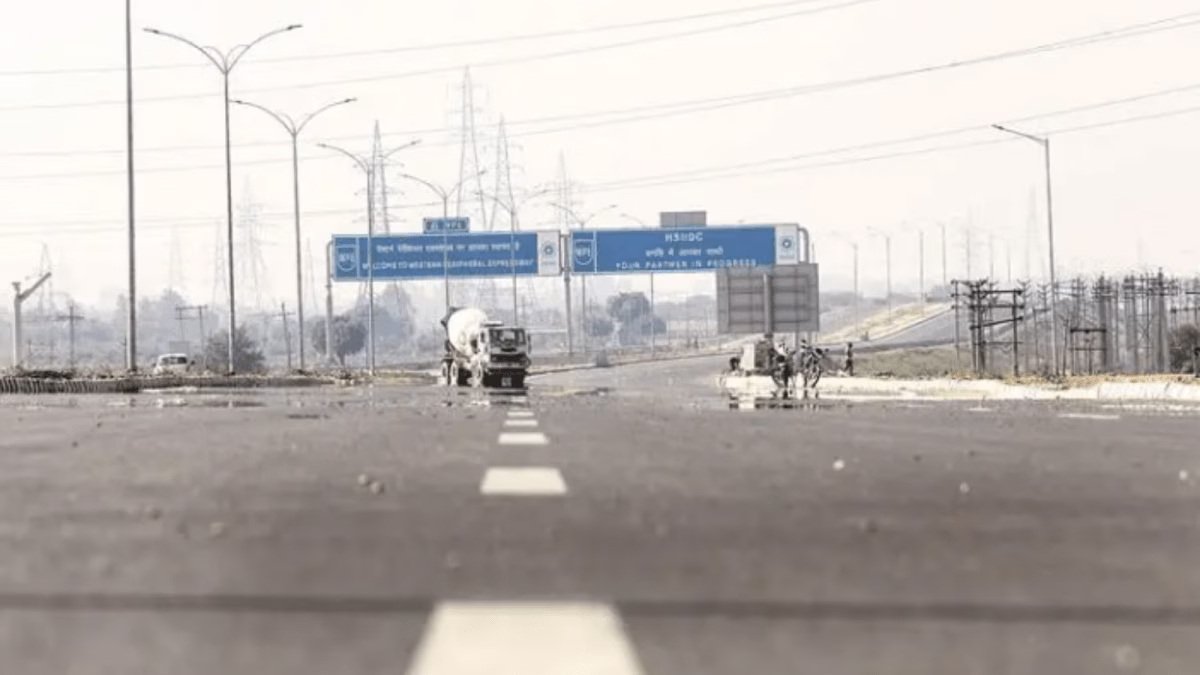
Delhi Peripheral Expressways Payment Clears Long Deadlock
The Delhi government has approved the release of its pending financial contribution towards land acquisition for the Eastern and Western Peripheral Expressways, a move expected to ease long-standing intergovernmental friction while reinforcing efforts to reduce congestion and air pollution across the capital region. The decision centres on clearing outstanding dues tied to the Peripheral Expressways project, a pair of 135-kilometre access-controlled corridors that divert non-destined traffic—particularly heavy commercial vehicles—away from Delhi. Urban planners view the move as a critical administrative step that could strengthen regional mobility planning and environmental management across the National Capital Region (NCR).
Officials indicated that the payment will be staggered over multiple financial years, beginning with an initial allocation in the current fiscal cycle. The remaining amount is expected to be released in phases, depending on budgetary prioritisation. This structured approach reflects fiscal balancing while acknowledging the long-term economic importance of the Peripheral Expressways. From an infrastructure standpoint, the expressways have already reshaped traffic patterns since becoming operational in 2018. By creating a bypass network around Delhi, they have reduced the inflow of diesel-powered trucks into the city, easing pressure on arterial routes such as Ring Road and national highways linking northern India. Transport analysts say this has contributed to lower travel times and improved fuel efficiency, with indirect gains for logistics operators and commuters. Beyond traffic management, the Peripheral Expressways are increasingly seen as part of a broader environmental strategy. By limiting unnecessary vehicular entry into the capital, the corridors support air quality improvements—an ongoing challenge for Delhi. Experts note that such interventions, when combined with cleaner fuel policies and public transport expansion, can contribute to more climate-resilient urban systems.
The financial clearance also signals a shift towards closer coordination between state and central agencies on large-scale infrastructure delivery. Industry observers highlight that unresolved funding disputes have historically slowed execution timelines and escalated project costs. Clearing dues may, therefore, unlock smoother collaboration for future transport and urban development initiatives in the region. Importantly, the expressways serve as economic connectors linking key industrial and logistics hubs across Haryana and Uttar Pradesh. Improved connectivity between manufacturing clusters and freight corridors is expected to enhance supply chain efficiency, supporting regional growth and job creation. For real estate markets, better accessibility often translates into increased development interest along peripheral zones. Urban development experts caution, however, that infrastructure alone cannot resolve congestion or pollution challenges. Sustained impact will depend on enforcement measures to ensure that bypass routes are effectively utilised, alongside investments in sustainable mobility and land-use planning.
With the financial impasse addressed, attention is likely to shift towards optimising the operational performance of the Peripheral Expressways. As Delhi continues to grapple with rapid urbanisation, such integrated regional solutions will remain central to building a more balanced, efficient, and environmentally responsive metropolitan system.