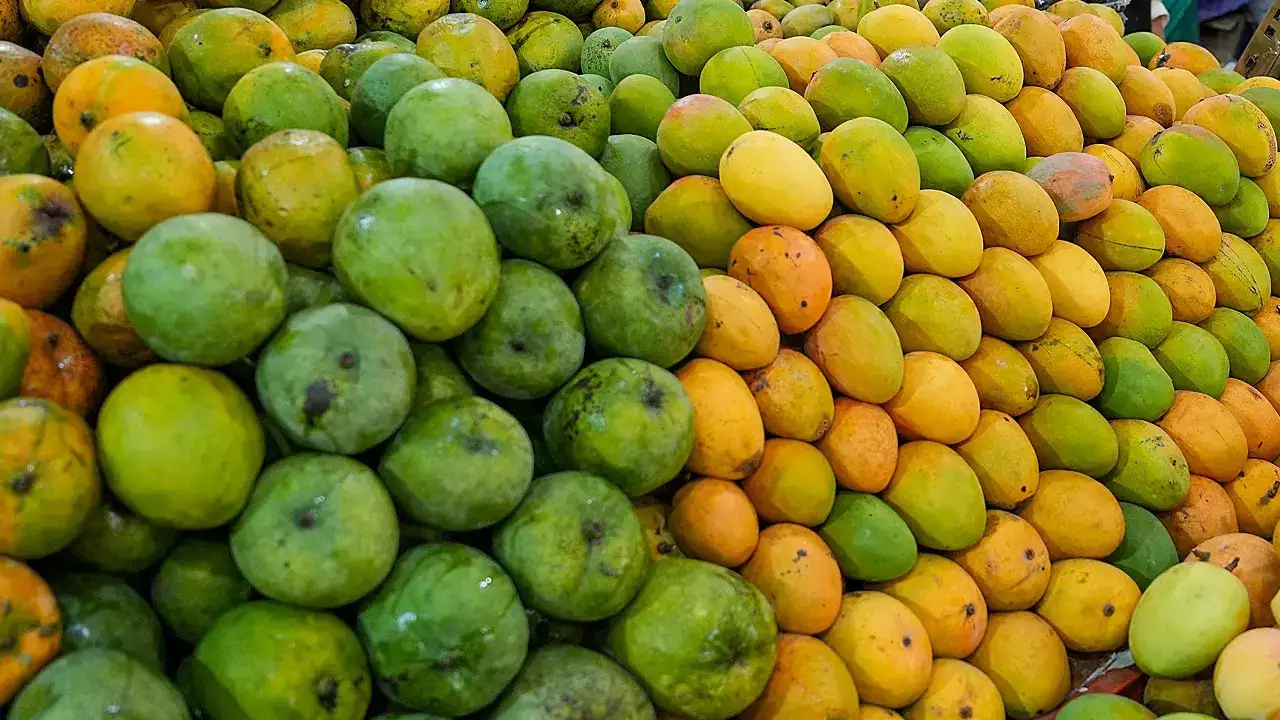
Surat Mango Crop Losses Highlight Climate Risks To Farming
Unseasonal rainfall across parts of Gujarat has caused significant damage to mango orchards, raising concerns over crop losses and the broader economic impact on the state’s agricultural sector. The disruption comes at a critical stage in the fruiting cycle, affecting both yield quality and market supply ahead of the peak harvest season. Farmers report that sudden showers and increased humidity have led to fruit drop and disease risks, particularly in regions known for high-value mango varieties. The Gujarat mango crop is highly sensitive to weather fluctuations during flowering and early fruit development, making it vulnerable to untimely rain events.
Agricultural experts note that such disruptions are becoming more frequent due to changing climate patterns. Shifts in rainfall timing and intensity are altering traditional growing cycles, making it harder for farmers to predict and manage crop conditions. For a crop like mango, which relies on stable dry periods during key growth stages, even short spells of rain can have outsized impacts. The Gujarat mango crop losses are expected to influence market dynamics in the coming months. Reduced supply may lead to higher prices, affecting both domestic consumption and export potential. Mango exports form a valuable component of agricultural trade, and any decline in output can have ripple effects across supply chains. The impact extends beyond farmers to the broader rural economy. Mango cultivation supports a network of activities, including harvesting, packaging, transportation, and retail. A decline in production can therefore affect incomes across multiple levels, particularly for seasonal workers who depend on harvest-related employment. From a sustainability perspective, the situation highlights the urgent need for climate-resilient agricultural practices. Techniques such as improved drainage systems, disease-resistant crop varieties, and weather-based advisories can help mitigate risks. However, adoption remains uneven, particularly among small and marginal farmers with limited resources. There is also a growing need for better forecasting and early warning systems. Accurate, localised weather information can enable farmers to take preventive measures, reducing potential losses. Integrating such systems into agricultural planning is increasingly seen as essential in the face of climate variability. Urban markets are also likely to feel the impact. As supply tightens, price volatility may increase, affecting consumers and businesses reliant on seasonal produce. This underscores the interconnected nature of rural production and urban consumption systems. Policy experts suggest that targeted support measures, including crop insurance and financial assistance, could help farmers navigate such disruptions. Strengthening these mechanisms will be critical as climate-related risks continue to intensify.
The Gujarat mango crop damage serves as a reminder of the growing vulnerability of agriculture to unpredictable weather. Addressing these challenges will require coordinated efforts across farming practices, policy frameworks, and climate adaptation strategies. As the harvest season approaches, the full extent of losses will become clearer, shaping both market trends and the economic outlook for farming communities in the region.