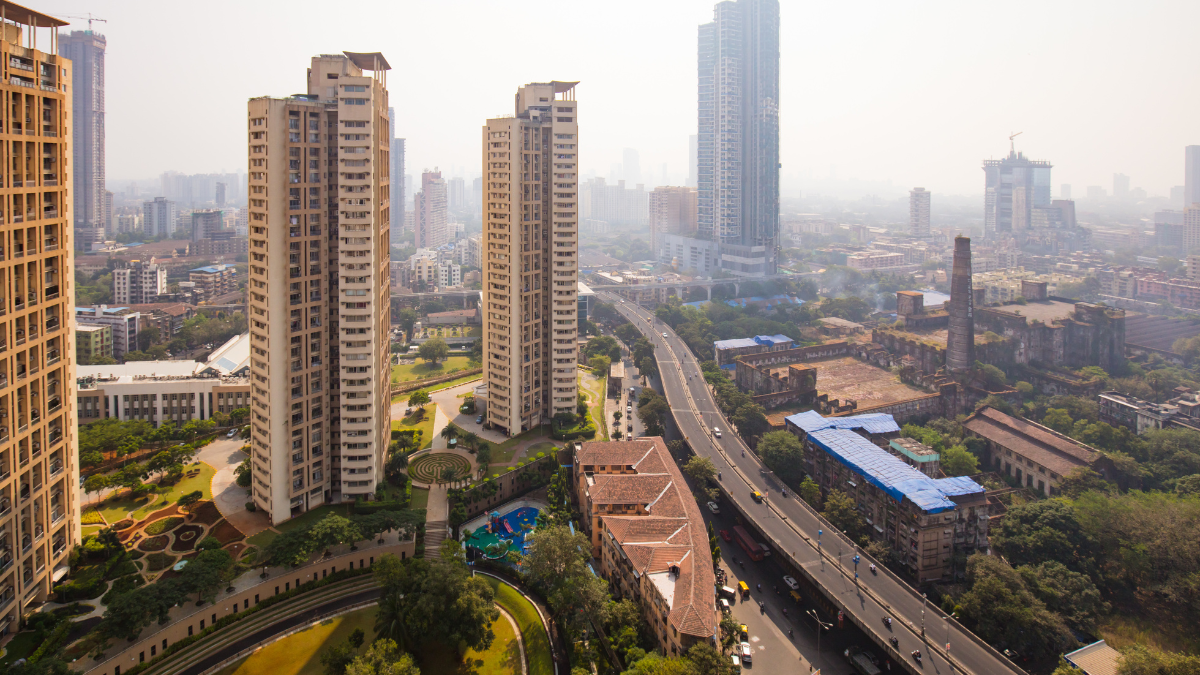
India Real Estate Growth Reshapes Urban Investment
India’s property sector is emerging as a rare outlier in a cautious global investment landscape, with India real estate growth accelerating sharply even as most Asia-Pacific markets show muted expansion. The surge, driven largely by domestic capital and policy-led transparency, is reshaping how cities attract investment and deliver urban infrastructure.
Across global markets, real estate investment activity showed moderate recovery in 2025, but growth remained uneven. In contrast, India recorded a substantial jump in institutional inflows, signalling rising confidence in the country’s urban development trajectory. Industry experts attribute this momentum to a combination of economic resilience, regulatory reforms, and a maturing domestic investor base that is increasingly willing to back long-term urban assets. A notable shift has been the dominance of domestic capital in funding real estate activity. More than half of the total investment originated within the country, indicating reduced reliance on volatile foreign inflows. While overseas investments saw a temporary dip, analysts suggest that improving macroeconomic stability and policy clarity could revive international interest in the near term.
Structural reforms such as the Real Estate Regulatory framework and indirect tax rationalisation have played a crucial role in improving project accountability and approval timelines. Urban planners note that these measures have enhanced buyer confidence, reduced information asymmetry, and strengthened the credibility of developers key factors in sustaining India real estate growth. The residential market, however, presents a more nuanced picture. While overall housing sales in major cities have softened, developers have strategically calibrated supply to avoid price volatility. This has resulted in relatively stable pricing trends, particularly in metropolitan regions. At the same time, demand has shifted decisively towards premium housing, reflecting changing consumer preferences for larger homes, better amenities, and integrated urban living environments.This tilt towards high-value housing raises important questions around inclusivity. Affordable and mid-income housing segments continue to face affordability pressures, especially in rapidly urbanising corridors. Experts warn that without targeted policy support and innovative financing models, the benefits of India real estate growth may remain unevenly distributed across income groups.
Beyond housing, commercial real estate continues to demonstrate resilience, supported by steady office leasing and the expansion of sectors such as logistics and data infrastructure. These asset classes are increasingly aligned with the needs of a digital and consumption-driven economy, while also offering opportunities for sustainable and energy-efficient development. Looking ahead, the trajectory of India real estate growth will depend on interest rate movements, urban infrastructure investments, and the ability to balance premium expansion with inclusive housing supply. As cities evolve, the focus is expected to shift towards climate-resilient construction, transit-oriented development, and equitable access factors that will ultimately define the sector’s long-term sustainability.