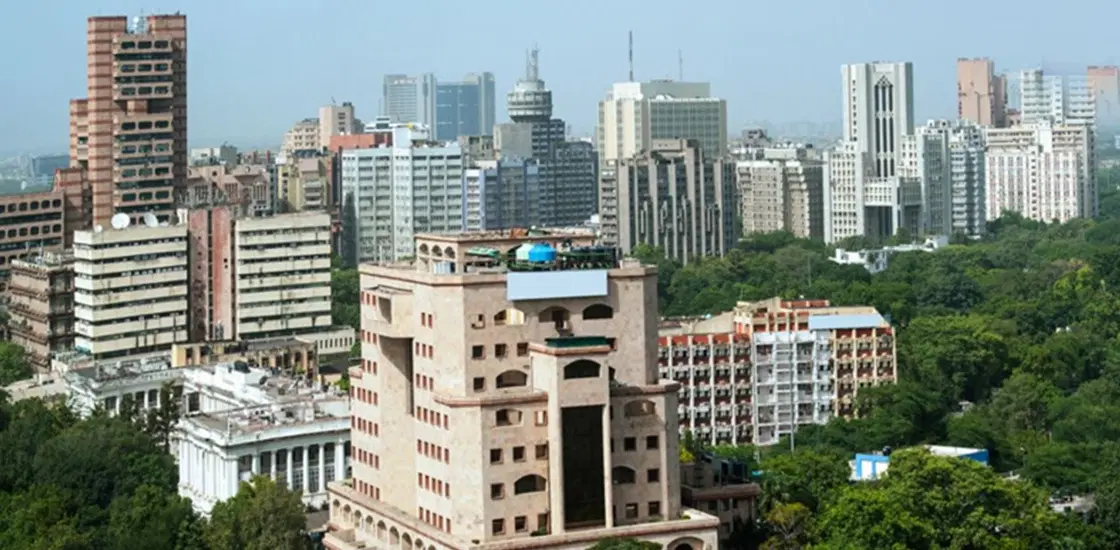
Delhi Luxury Residential Areas Highlight Elite Housing Shift
Delhi’s luxury residential landscape continues to be defined by a cluster of low-density, high-value neighbourhoods that combine legacy planning, central location, and access to green spaces factors that are increasingly shaping demand in the capital’s premium housing segment. As land scarcity intensifies and urban pressures mount, these Delhi luxury residential areas are emerging as benchmarks for both exclusivity and urban liveability.
At the core of this premium ecosystem lies the Lutyens’ zone, including stretches such as Prithviraj Road, where expansive plots, strict development controls, and proximity to key institutions create one of the most tightly held real estate markets in India. Urban planners note that such areas benefit from a rare mix of heritage zoning and environmental buffers, offering lower congestion and better air quality compared to denser parts of the city. In South Delhi, neighbourhoods like Jor Bagh, Defence Colony, and Panchsheel Park have evolved into stable high-value micro-markets. Their appeal is driven not only by large independent homes but also by access to social infrastructure schools, healthcare, retail hubs, and metro connectivity. Industry experts say these areas have demonstrated resilience during market fluctuations due to consistent end-user demand from business families and professionals.
Meanwhile, New Friends Colony and Nizamuddin West represent a blend of historical context and modern urban living. Located near major cultural landmarks and arterial roads, these neighbourhoods attract buyers seeking both connectivity and a quieter residential environment. Their appeal reflects a broader shift in urban preferences, where proximity to green spaces and heritage zones is increasingly valued alongside real estate appreciation. Interestingly, North and West Delhi are also witnessing an upgrade in their residential profiles. Model Town has seen a gradual transition into a premium locality with improved infrastructure and planned layouts, while Punjabi Bagh has emerged as a preferred destination for affluent families seeking larger homes outside the traditional South Delhi belt. This geographic diversification indicates a widening definition of Delhi luxury residential areas, driven by infrastructure upgrades and changing buyer expectations.
Urban development experts suggest that these high-end enclaves highlight critical planning lessons. Low-density development, tree cover, and integrated civic infrastructure contribute significantly to long-term property value and quality of life. However, replicating such models remains a challenge due to land constraints and rising population pressures. As Delhi continues to expand vertically and outward, the demand for sustainable, well-planned luxury housing is expected to grow. The future of the capital’s premium real estate may depend on how effectively new developments incorporate environmental resilience, mobility access, and inclusive design factors that are increasingly central to defining urban luxury in the 21st century.