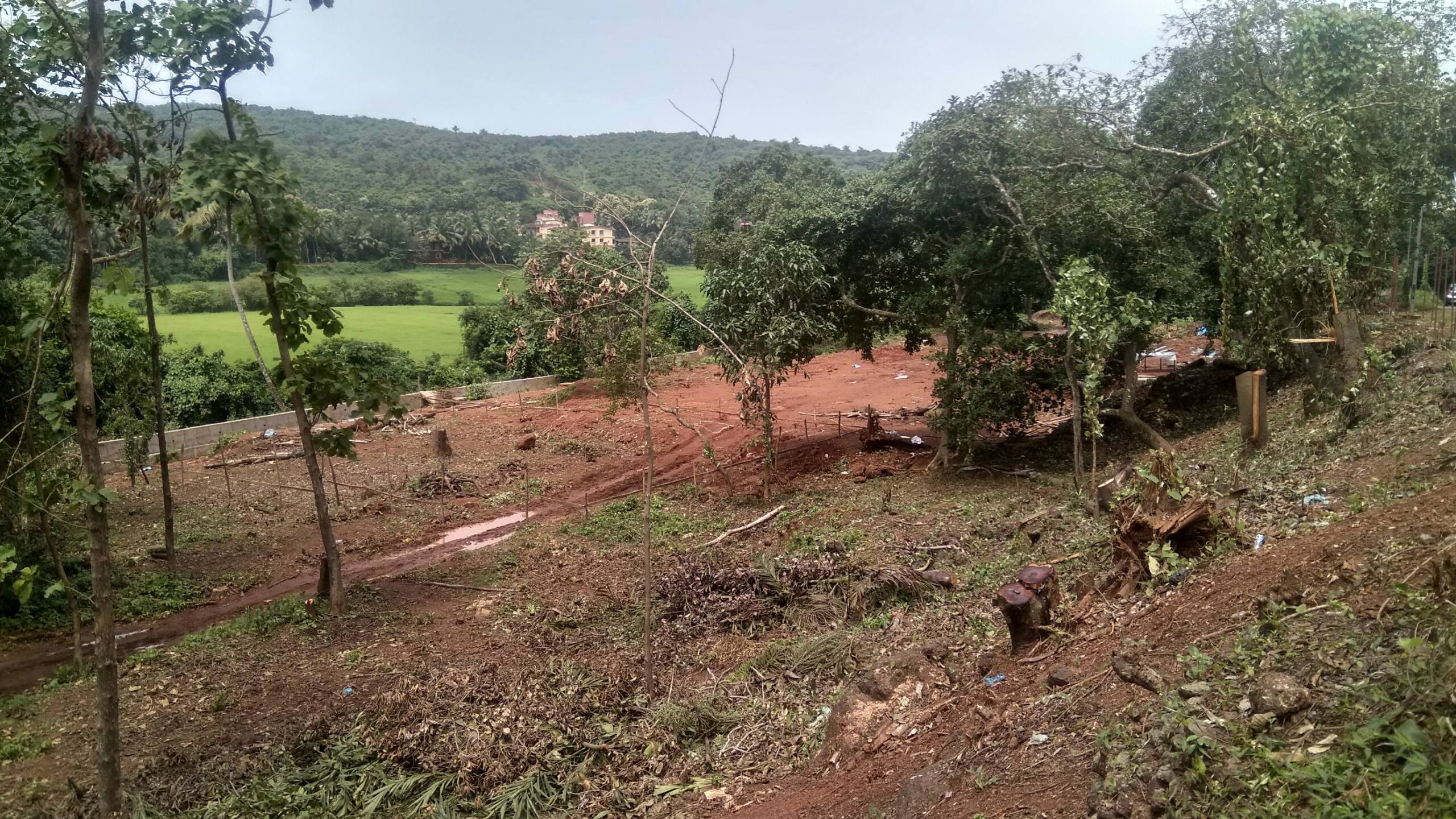
Tensions are rising across several villages in Goa as proposed land-use changes under Section 39A reshape the state’s planning framework, prompting widespread concern over ecological loss and unregulated real estate expansion. The Goa land zoning changes have triggered sustained protests, particularly in peri-urban and rural areas where communities fear irreversible shifts in land character.
In villages located near Panaji and across North Goa, residents have mobilised around concerns that agricultural land, orchards, and forested zones could be reclassified for settlement use. This provision allows individual landholders to seek conversion of designated land categories, raising apprehensions about fragmented and decentralised planning decisions. Urban planners tracking the Goa land zoning changes point out that the policy effectively alters how land-use governance functions in the state. Traditionally, regional plans guided development through clearly demarcated ecological and settlement zones. However, recent amendments have created pathways for case-by-case conversions, reducing the role of comprehensive planning frameworks.
Data compiled from official records suggests that applications covering millions of square metres of land have already been submitted for conversion across Goa, with a portion of these approved. Regions close to emerging infrastructure nodes and tourism corridors appear to be witnessing higher activity, indicating a link between land conversion and speculative real estate interest. Environmental experts caution that such shifts could have cascading impacts. Goa’s landscape characterised by wetlands, hill slopes, and biodiversity-rich zones—plays a critical role in flood mitigation, groundwater recharge, and climate resilience. Converting these areas into built environments may increase vulnerability to extreme weather events while placing additional strain on local water resources.
The Goa land zoning changes have also reignited debates around governance and public participation. Community groups argue that decisions affecting shared ecological assets require deliberation at the village level, particularly through local governance institutions. In contrast, current mechanisms are perceived to centralise approvals, limiting grassroots engagement in planning processes. Legal and regulatory complexities further complicate the issue. Goa’s land systems include legacy frameworks such as community-owned lands and layered ownership records, which often intersect with modern planning laws. Experts note that ambiguities in land titles and classifications can create room for disputes, especially when land-use changes are pursued at scale.
From an economic perspective, the potential for increased real estate activity may generate short-term gains but could undermine long-term sustainability if not aligned with infrastructure capacity. Questions around carrying capacity particularly in villages with limited road networks, water supply, and waste management systems are becoming central to the debate.
As the state navigates competing priorities of growth and conservation, the outcome of the ongoing resistance to Goa land zoning changes may shape future policy direction. Observers suggest that a recalibration of planning norms balancing development with ecological safeguards and community participation will be critical to ensuring that Goa’s growth remains both inclusive and environmentally resilient.
Goa Land Zoning Shifts Raise Ecological Concerns