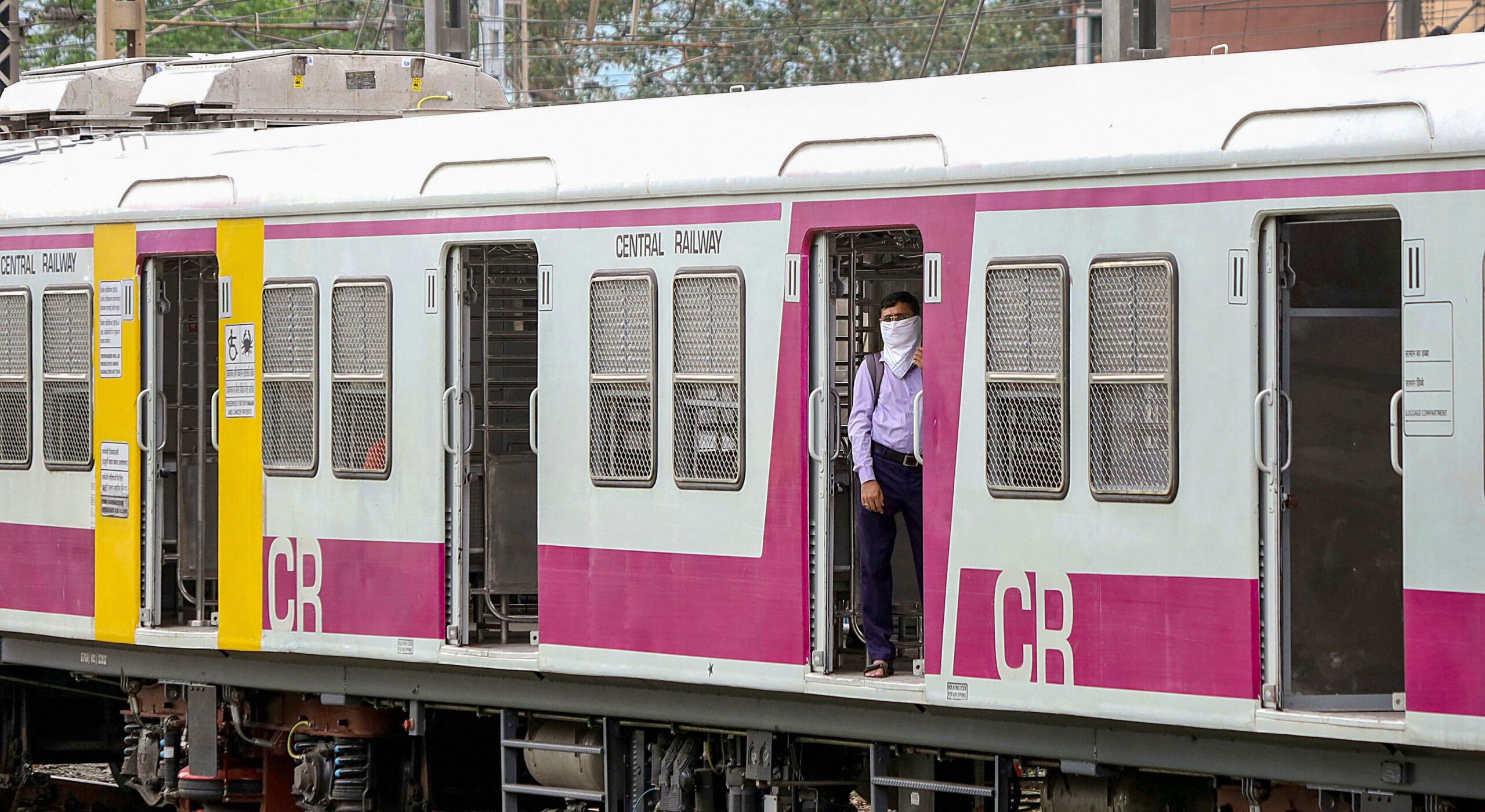
Mumbai’s suburban rail network operated under a reduced service pattern on March 21, with authorities implementing a Sunday timetable across the Central Railway network, affecting millions of daily commuters who depend on the system for routine travel.
The move, described as a temporary operational adjustment, meant that services across key corridors—including the Main, Harbour, and Trans-Harbour lines—continued to run but at lower frequencies. Both air-conditioned and non-air-conditioned suburban trains were impacted, resulting in wider intervals between services compared to a typical weekday schedule. For commuters, the Mumbai local train Sunday timetable translated into fewer train options during peak and non-peak hours, potentially increasing wait times and platform crowding. Transport analysts note that even marginal reductions in service frequency can have a cascading effect in high-density systems like Mumbai’s, where passenger volumes often exceed planned capacity during rush hours.
Railway officials indicated that such scheduling adjustments are generally introduced to accommodate maintenance work, operational recalibration, or system upgrades. While no specific reason was publicly detailed for this instance, experts point out that periodic slowdowns are necessary to ensure the long-term reliability and safety of ageing rail infrastructure. The Mumbai local train Sunday timetable also highlights the delicate balance between operational efficiency and commuter convenience. Mumbai’s suburban rail system is among the busiest in the world, carrying millions daily, and any deviation from regular scheduling can disrupt travel patterns, especially for essential workers and those without flexible commuting options.
Commuters were advised to rely on digital platforms and real-time updates to plan their journeys effectively. With fewer trains in circulation, passenger distribution tends to become uneven, often leading to overcrowding on select services. Urban mobility experts emphasise the need for better communication strategies and predictive scheduling tools to help manage such fluctuations more effectively. From a broader urban planning perspective, the situation underscores the importance of diversifying transport networks. While suburban rail remains the backbone of Mumbai’s mobility system, increasing dependence on a single mode exposes the city to disruption risks. Expanding metro networks, bus rapid transit, and last-mile connectivity solutions could help distribute commuter load more evenly in the future.
The temporary adoption of the Mumbai local train Sunday timetable also reflects the ongoing pressures faced by legacy infrastructure in rapidly growing cities. As passenger demand continues to rise, maintaining service reliability while upgrading systems will remain a key challenge for transport authorities. Looking ahead, consistent investment in capacity expansion, digital monitoring, and multimodal integration will be essential to ensure that Mumbai’s transport network remains resilient. For commuters, the episode serves as a reminder of the system’s constraints—and the importance of planning ahead when service patterns shift, even temporarily.
Central Railway Adopts Sunday Schedule For Mumbai Services