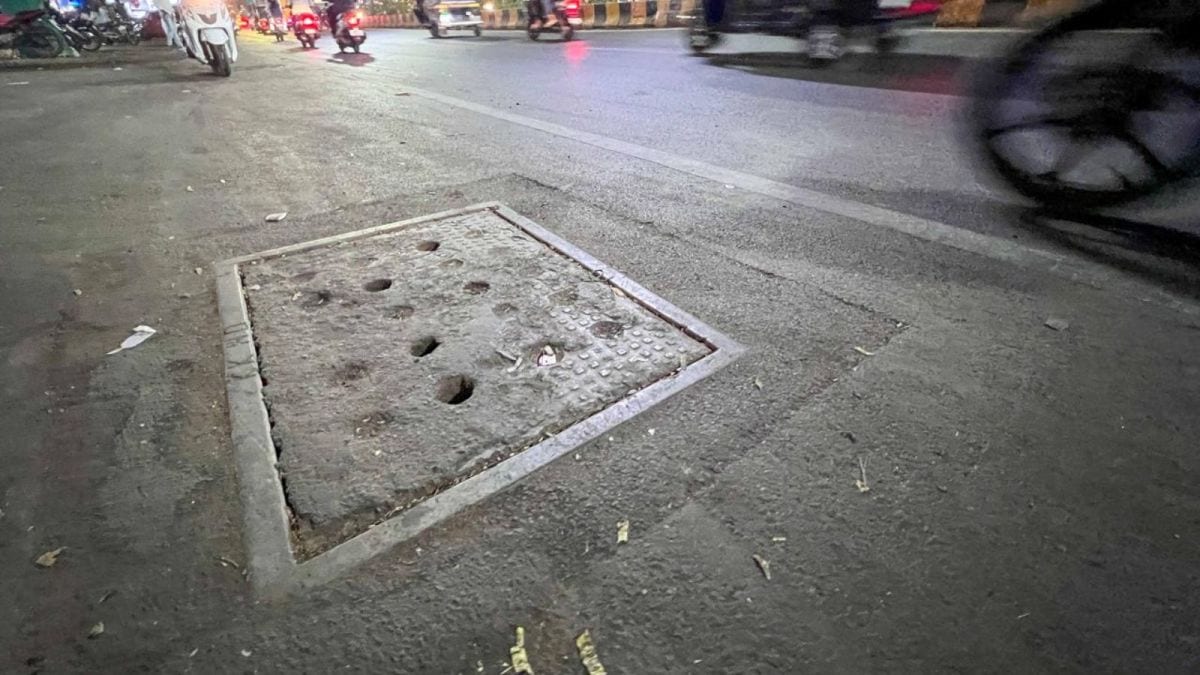
Pune’s twin city of Pimpri Chinchwad is preparing a large-scale road upgrade initiative, with the municipal corporation allocating ₹243 crore to improve more than 300 kilometres of its road network ahead of the monsoon season. The move signals a shift towards data-led urban maintenance, as authorities attempt to address recurring issues of potholes, damaged surfaces and poor pedestrian infrastructure that affect daily mobility.
The Pune road repair programme is based on a technology-driven assessment of nearly 1,700 kilometres of roads, carried out using Geographic Information System (GIS) mapping and high-resolution imaging. This approach has enabled officials to identify not just visible damage but also underlying structural weaknesses, allowing for more targeted interventions rather than reactive repairs. Civic engineers indicate that the scope of work extends beyond resurfacing. Planned interventions include strengthening road layers, restoring footpaths, filling potholes, and addressing trench-related damage caused by utility works. Preventive maintenance has also been prioritised, reflecting an effort to reduce long-term costs and improve durability rather than relying on repeated short-term fixes.
The Pune road repair programme is being implemented through a centralised Road Asset Management System, which aggregates real-time data on road conditions, traffic stress points, and associated infrastructure such as street lighting and signage. Urban planners note that such systems can improve accountability by tracking contractor performance and enabling evidence-based allocation of municipal funds.
For a rapidly growing urban cluster like Pimpri Chinchwad, road quality is closely linked to economic efficiency. The region hosts a significant share of Pune’s manufacturing and industrial base, where delays caused by poor road conditions can disrupt supply chains and increase logistics costs. Improved surface quality and timely maintenance are therefore critical not only for commuters but also for business continuity.
The initiative also reflects broader urban challenges around climate resilience. Monsoon-related damage remains a persistent issue across Indian cities, often exacerbated by inadequate drainage and substandard construction practices. By completing repairs before the onset of heavy rains, authorities aim to mitigate seasonal disruptions while extending the lifespan of road infrastructure.
However, experts caution that sustainable outcomes will depend on consistent monitoring and integration with other urban systems. Road repairs alone cannot resolve congestion or safety concerns unless complemented by better traffic management, public transport expansion, and pedestrian-friendly design. In this context, the inclusion of footpath upgrades within the programme is seen as a positive step towards more inclusive mobility. Looking ahead, officials are expected to conduct post-monsoon assessments to refine future budgets and priorities. As Pune continues to urbanise, the success of the Pune road repair programme will be measured not just by smoother surfaces, but by its ability to deliver durable, climate-resilient and user-centric infrastructure for a growing population.
Pune Civic Body Scales Up Road Repair Programme