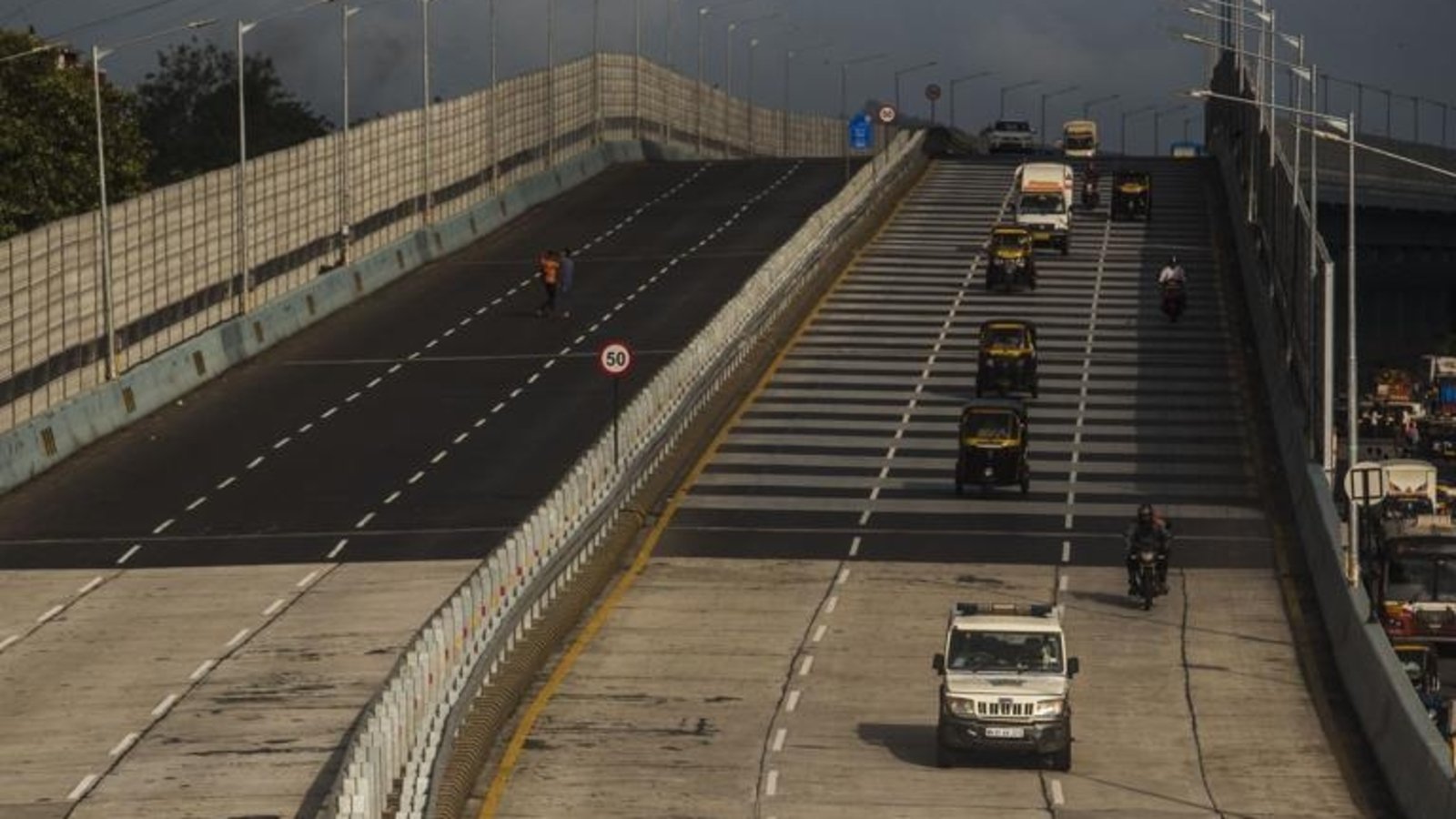
Mumbai’s eastern transport corridor is set for a capacity upgrade as the city advances construction of additional flyover connections at a key junction on the Sion–Panvel Highway, a move aimed at easing chronic congestion and improving regional connectivity towards Navi Mumbai and Pune.
The Sion Panvel flyover expansion is being positioned as a critical intervention at one of the most traffic-stressed nodes linking Mumbai’s eastern suburbs with the Mumbai Metropolitan Region’s growth centres. The junction, which currently handles high volumes of daily commuter and freight traffic, has long been a bottleneck affecting travel efficiency and fuel consumption. Civic officials indicate that the project involves the creation of multiple elevated arms designed to streamline directional traffic flows between Ghatkopar, Mankhurd, and Vashi, while also integrating movements from nearby residential clusters such as Cheetah Camp and Maharashtra Nagar. By separating traffic streams that currently intersect at grade, the design aims to reduce delays caused by signalised intersections and merging conflicts.
Two primary elevated connectors are already under construction, with groundwork and fabrication progressing simultaneously. These arms will create direct, uninterrupted links between the eastern suburbs and the highway corridor, bypassing existing congestion points. Additional connectors are planned in subsequent phases, subject to statutory clearances, including approvals linked to railway infrastructure along the alignment. Urban mobility experts note that such grade-separated solutions are increasingly necessary in dense metropolitan regions where road widening is constrained by built-up areas. However, they caution that flyover-led solutions must be integrated with broader public transport and last-mile connectivity strategies to ensure long-term sustainability.
The Sion Panvel flyover expansion is expected to deliver measurable time savings for commuters, particularly during peak hours when delays at the junction can extend significantly. Reduced idling time could also contribute to lower vehicular emissions, aligning with broader climate goals for reducing urban transport-related pollution. At the same time, the project highlights the growing pressure on Mumbai’s eastern corridor, which is witnessing rapid urbanisation and increased inter-city travel demand. Improved connectivity to Navi Mumbai, including emerging infrastructure such as the international airport and industrial zones, is further intensifying traffic volumes along this route.
From a planning perspective, the project reflects a continued reliance on road-based infrastructure to address congestion challenges. While such interventions offer immediate relief, planners emphasise the need for parallel investments in mass transit systems, non-motorised transport, and transit-oriented development to create a more balanced and resilient mobility network. As construction progresses towards its targeted completion timeline, the effectiveness of the Sion Panvel flyover expansion will depend not only on engineering execution but also on how well it integrates with the city’s evolving transport ecosystem. For commuters navigating Mumbai’s eastern suburbs, the project represents a potential shift towards more predictable and efficient travel, provided it is complemented by sustainable urban mobility measures in the years ahead.
BMC Plans New Flyover Links At Sion Panvel Junction By 2027