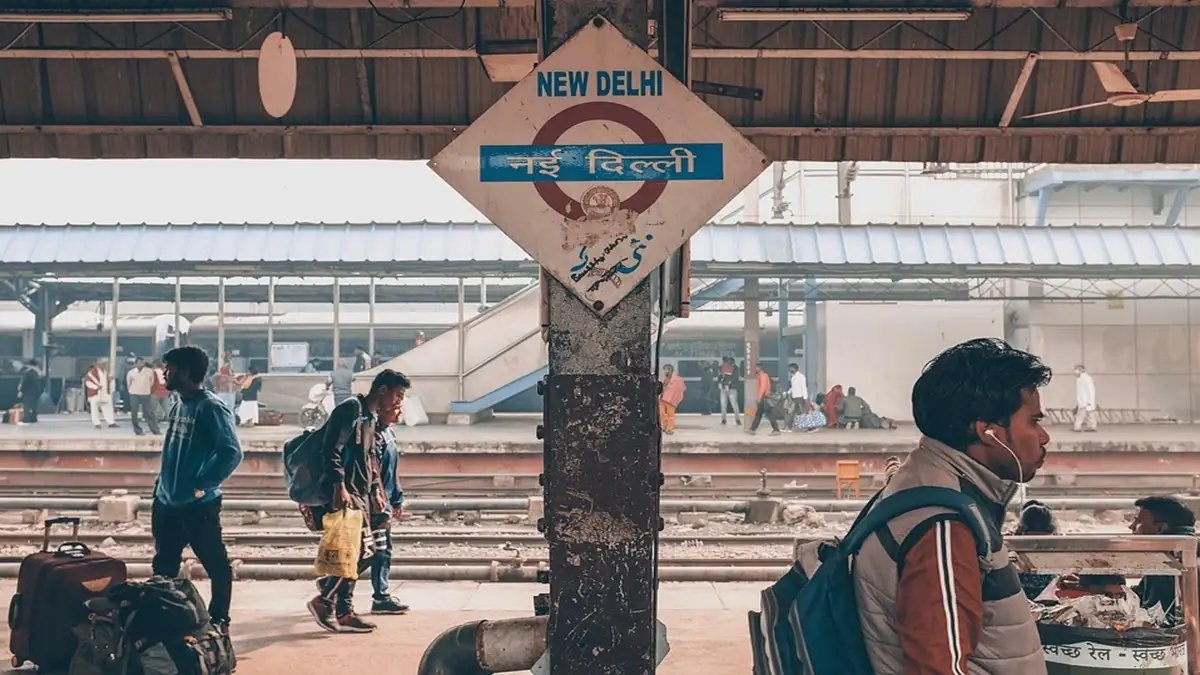
Delhi Railway Station AI Surveillance Targets Crowd Safety
New Delhi is set to pilot a technology-led overhaul of station management systems, with authorities introducing artificial intelligence-driven monitoring and digital entry controls at its busiest rail hub. The initiative, centred on Delhi railway station AI surveillance, aims to improve passenger safety, streamline access, and reduce congestion at the high-footfall New Delhi Railway Station. The plan involves deploying a network of AI-enabled cameras across platforms, concourses, entry and exit gates, and other high-density areas. These systems will feed into a central command centre equipped with real-time analytics capable of detecting anomalies such as overcrowding, unauthorised access or potential safety risks.
Officials indicate that the shift from manual monitoring to automated surveillance could significantly enhance response times and operational efficiency. Complementing the surveillance upgrade is the introduction of a QR code-based entry management system. Designed as a pilot ahead of peak travel seasons, the system will regulate passenger entry based on valid digital or physical tickets. By categorising commuters into segments such as reserved ticket holders, season pass users and unreserved travellers, authorities aim to reduce bottlenecks and improve crowd distribution within the station. Urban mobility experts view the Delhi railway station AI surveillance initiative as part of a broader shift towards data-driven infrastructure in India’s transport sector. With railway stations functioning as critical urban nodes, integrating smart access systems can help manage surging passenger volumes while improving overall travel experience. The approach also aligns with global trends where large transit hubs increasingly rely on predictive analytics and automated systems for crowd control. In parallel, authorities are introducing a standardised visual identification system for personnel operating within the station.
Distinctive colour-coded attire for staff, vendors and service providers is expected to simplify on-ground coordination and improve accountability. Additionally, a comprehensive identification framework, including mandatory ID cards, will be implemented to distinguish authorised personnel from unauthorised entrants. Officials suggest that these measures will also support security agencies in enforcing access restrictions, ensuring that only ticketed passengers enter designated zones. This could reduce informal congestion and enhance safety, particularly during festival periods when passenger volumes surge sharply. From an infrastructure perspective, the initiative signals a move towards integrated station management, where digital tools complement physical upgrades. Analysts note that while such systems can improve efficiency, their success will depend on seamless execution, data privacy safeguards, and user awareness.
The Delhi railway station AI surveillance programme is expected to serve as a model for phased adoption across other major railway stations in the region. As urban transit networks continue to expand, the emphasis is increasingly on combining technology, design and governance to create safer, more accessible, and resilient public spaces.